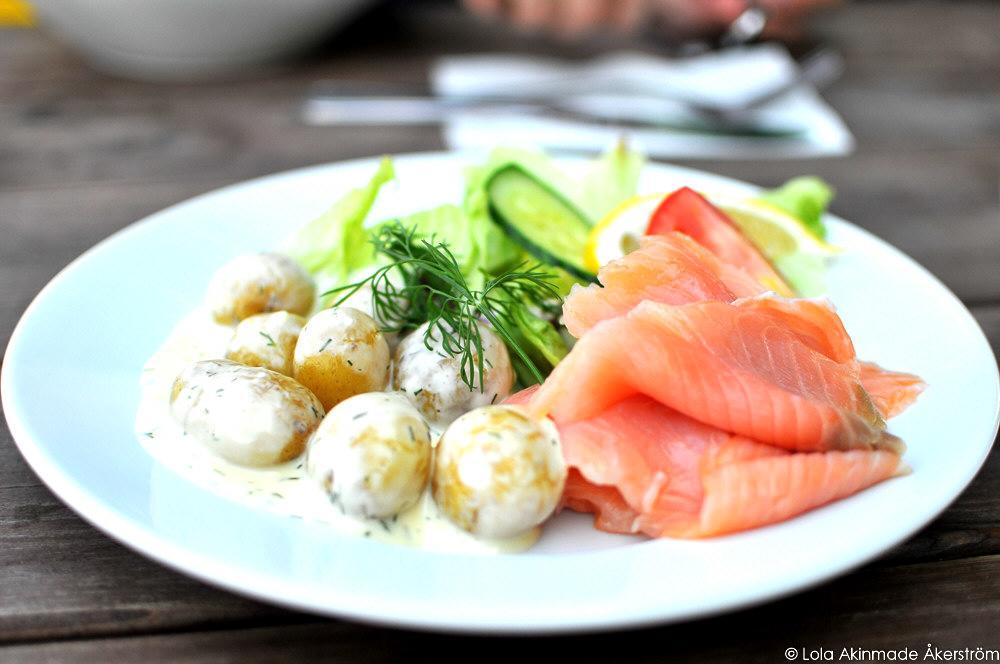
Scandinavian cuisine has gained popularity in recent years for its emphasis on fresh, flavorful ingredients and simple yet elegant preparations. Known for its focus on whole foods and seasonal produce, Scandinavian dishes are not only delicious but also packed with nutrients that promote good health.
One of the key elements of Scandinavian cuisine is the use of seafood. With its long coastline and abundant waters, Scandinavia has access to a wide variety of fish and shellfish. Salmon, herring, mackerel, and cod are all staples in the Scandinavian diet. These fatty fish are rich in omega-3 fatty acids, which have been shown to reduce inflammation, lower blood pressure, and improve heart health.
In addition to seafood, Scandinavians also enjoy a variety of whole grains such as rye, oats, barley, and buckwheat. These grains are high in fiber and essential nutrients like B vitamins and iron. Rye bread is a particularly popular staple in Scandinavia – dense and hearty with a slightly tangy flavor.
Vegetables play a prominent role in Scandinavian cooking as well. Root vegetables like potatoes, carrots, beets, and turnips are often featured in stews and casseroles during the colder months. Leafy greens such as kale, cabbage, spinach, and arugula are also commonly used in salads or as side dishes.
Berries are another important component of the Scandinavian diet. Blueberries, lingonberries (similar to cranberries), cloudberries (a delicacy prized for their unique flavor), strawberries – these fruits grow wild throughout Scandinavia’s forests during the summer months. Berries are rich in antioxidants that help protect against chronic diseases like cancer and heart disease.
Dairy products also hold a special place in Scandinavian cuisine. Yogurt (often enjoyed with muesli for breakfast), cheese (such as Swedish Västerbotten or Danish Havarti), butter (used generously in baking), all play integral roles in traditional recipes.
One hallmark of healthy eating is moderation – something that seems ingrained within Nordic culture itself when it comes to food consumption habits; known for practicing “lagom,” roughly translating to “just enough.” This philosophy extends beyond portion control into how meals are prepared: simple cooking methods that allow natural flavors to shine through without excessive seasoning or complicated techniques.
The concept of “fika” further embodies this approach by emphasizing regular breaks throughout the day for coffee or tea accompanied by pastries or small treats – an opportunity not just to refuel but also socialize with friends or coworkers while taking moments away from work stressors; contributing positively towards mental well-being alongside physical health benefits derived from consuming wholesome foods prevalent within Nordic diets themselves!
When considering balanced nutrition patterns worldwide where longevity rates remain enviable among Nordic populations despite harsh climates endured annually; embracing elements found within Scandinavian fare can offer insights worth emulating elsewhere too… It’s clear why this regional style resonates universally today!

Leave a Reply