Plant-based diets have been gaining popularity in recent years, with more and more people recognizing the health and environmental benefits of eating a diet rich in plant foods. From fruits and vegetables to grains, legumes, nuts, and seeds, there is a wide variety of plant-based foods available that can provide all the nutrients our bodies need to thrive. In this comprehensive guide, we will explore various aspects of plant-based eating, from fermentation to meal prep tips for busy schedules.
Fermented Plant-Based Foods:
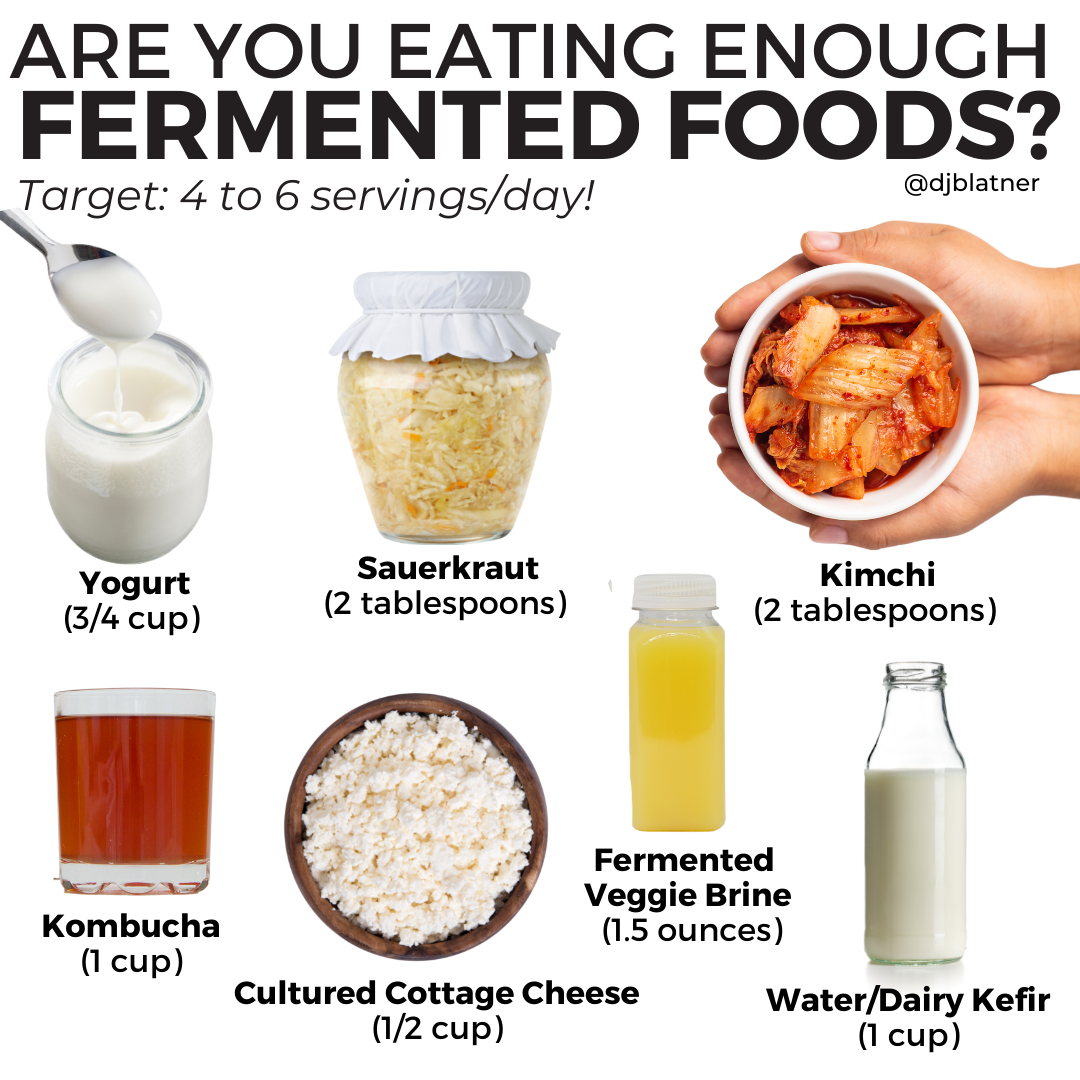
Fermentation is a traditional method of food preservation that has been practiced for centuries. It involves the breakdown of carbohydrates by bacteria and yeast into alcohol or organic acids. Fermented foods are not only delicious but also offer numerous health benefits. Some popular fermented plant-based foods include sauerkraut, kimchi, tempeh, miso, kombucha, and yogurt. These foods are rich in probiotics that support gut health and promote digestion.
Plant-Based Sources of Iron:
Iron is an essential mineral that plays a crucial role in transporting oxygen throughout the body. While red meat is often associated with high iron content, there are plenty of plant-based sources of iron as well. Legumes like lentils and chickpeas, tofu, quinoa, spinach, pumpkin seeds, and fortified cereals are excellent sources of iron for those following a plant-based diet.
Plant-Based Meal Prep for Busy Schedules:
Meal prepping can be a lifesaver for those with busy schedules who still want to maintain a healthy plant-based diet. By dedicating some time each week to preparing meals in advance, you can save time during hectic weekdays and ensure you always have nutritious food on hand. Batch cooking grains like rice or quinoa, chopping vegetables ahead of time for salads or stir-fries, and making large batches of soups or stews are great ways to streamline your meal prep process.
Plant-Based Calcium Sources:
Calcium is essential for maintaining strong bones and teeth as well as supporting muscle function and nerve transmission. While dairy products are commonly associated with calcium intake, there are several plant-based sources available too. Foods like leafy greens (kale), almonds (and almond butter), chia seeds (and chia pudding), tofu (especially when made with calcium sulfate), fortified non-dairy milks (like almond milk) are all good choices for getting enough calcium on a plant-based diet.
Plant-Based Budget-Friendly Recipes:
Eating a plant-based diet doesn’t have to break the bank! There are plenty of budget-friendly recipes that focus on affordable ingredients like beans/lentils/legumes – which serve as excellent sources of protein-, whole grains such as brown rice or oats -which provide fiber-, seasonal vegetables/fruits- which supply vitamins/minerals; spices/herbs- which add flavor without added cost; nuts/seeds -which offer healthy fats/proteins-. Simple dishes like bean chili/stir-fries/soups/buddha bowls/grain salads can be made in bulk at low cost!
Plant-Based Protein Myths Debunked:
One common misconception about plant-based diets is that they may lack sufficient protein intake compared to animal-derived protein sources.
However plants offer many high-protein options: legumes/pulses such as chickpeas/lentils/beans; soy products including tofu/tempeh/edamame; seitan/wheat gluten; quinoa/buckwheat; nuts/seeds such as almonds/walnuts/chia flaxseeds/hempseed.
Combining different protein sources throughout the day ensures you meet your amino acid needs while enjoying diverse flavors/textures/plant compounds beneficial health effects!
Plant-Based Omega-3 Sources:
Omega-3 fatty acids play important roles in brain function/inflammation regulation/cardiovascular health among others.
While fish/fish oil supplements traditionally provided omega-3s some plants also contain these beneficial fats!
Sources include flaxseeds/chia seeds/hemp seeds/walnuts/algal oil/enriched vegan products.
Adding these foods regularly into your meals ensures adequate omega-3 intake even if you’re following a completely plant-focused diet!
Plant-Based Comfort Food Recipes:
Who says comfort food has to be unhealthy? Plant-based comfort food recipes can be just as satisfying while being nourishing too! Think hearty vegetable stews/shepherd’s pie made with lentils/mushroom risotto/cauliflower mac ‘n’ cheese/spaghetti squash pasta bake/black bean sweet potato enchiladas/banana bread oatmeal bake/quinoa stuffed bell peppers! With clever ingredient swaps/substitutions creative seasoning techniques these comforting dishes will warm both body soul without compromising nutritional value!
Plant-Based Baking Substitutes:
Whether due allergies dietary preferences ethical reasons many people seek alternatives traditional baking ingredients luckily several effective substitutions exist create delicious baked goods using solely plants!
Swap eggs chia/flax “eggs”/applesauce mashed bananas silken tofu aquafaba
Replace dairy milk coconut/almond/oat/cashew milk
Use nut butters avocado/coconut oil instead butter
Try maple syrup/agave nectar/date paste refined sugar
These modifications maintain moisture texture taste final product providing healthier sustainable treats everyone enjoy!
In conclusion incorporating more whole nutrient-dense colorful minimally processed plants into daily routine brings myriad benefits improved overall wellness longevity reduced environmental impact enhanced palate culinary creativity endless possibilities exploring combining experimenting creating delicious balanced satisfying meals snacks desserts align principles Healthy Eating website promotes encourage readers embark exciting journey vibrant flavorful world plants prioritize wellbeing planet animals alike!

Leave a Reply