Intermittent fasting has gained significant popularity in recent years for its potential health benefits beyond just weight loss. With several variations and methods available, individuals have a range of options to choose from based on their lifestyle, goals, and preferences. Let’s delve into some of the most popular intermittent fasting methods and explore their unique characteristics.
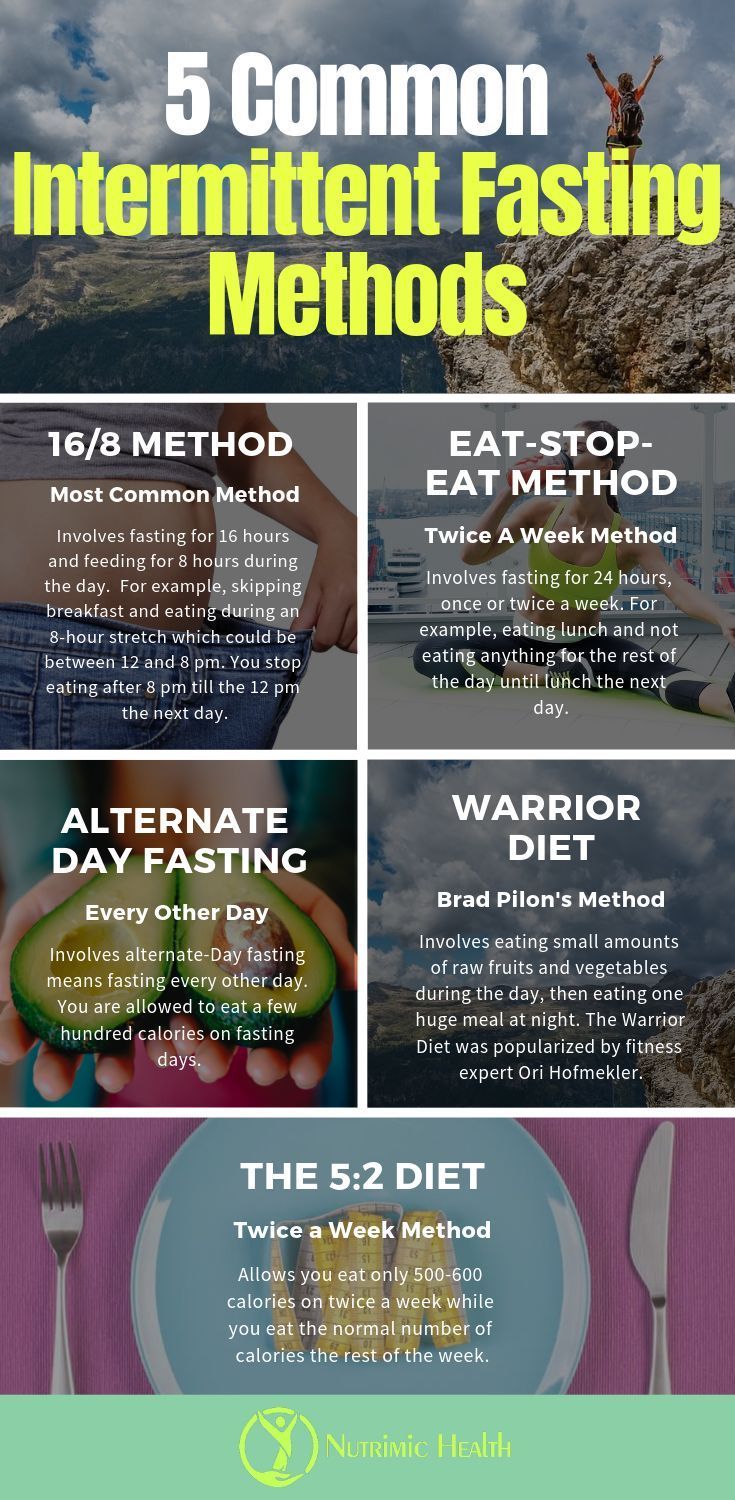
**16/8 Method:** The 16/8 method involves fasting for 16 hours each day and restricting eating to an 8-hour window. This approach is relatively easy to follow as it aligns with the body’s natural circadian rhythm.
**Warrior Diet:** The Warrior Diet involves consuming small amounts of raw fruits and vegetables during the day and having one large meal at night. This method aims to mimic how ancient warriors ate, emphasizing under-eating during the day and feasting at night.
**Alternate Day Fasting:** Alternate Day Fasting consists of alternating between days of regular eating and very low-calorie intake or complete fasting. While this method can be effective for weight loss, it may not be sustainable for everyone in the long term.
**OMAD (One Meal a Day):** As the name suggests, OMAD involves consuming all daily calories within a single meal each day. This approach simplifies meal planning but requires discipline to ensure adequate nutrient intake in one sitting.
**5:2 Diet:** The 5:2 diet entails eating normally for five days a week and drastically reducing calorie intake (usually around 500-600 calories) on two non-consecutive days. This method is flexible but may pose challenges on fasting days.
**Eat Stop Eat:** Eat Stop Eat involves incorporating one or two 24-hour fasts into your weekly routine. This method allows for full-day fasts interspersed with regular eating days.
**Spontaneous Meal Skipping:** A more relaxed approach, spontaneous meal skipping involves listening to your body’s hunger cues and occasionally skipping meals when not hungry. While less structured than other methods, it can still offer benefits by giving your digestive system breaks.
**Fasting Mimicking Diet:** This approach involves following a carefully designed meal plan that mimics the effects of fasting while still providing essential nutrients. It may offer some advantages of fasting without complete deprivation.
**Circadian Rhythm Fasting:** Circadian rhythm fasting focuses on aligning food intake with your body’s internal clock by eating only during certain hours of the day when metabolism is most active. This can help optimize digestion and energy levels.
**Extended Fasting:** Extended fasting typically refers to fasts lasting longer than 24 hours, such as 48-hour or even multi-day fasts. These prolonged periods without food may have profound effects on metabolism and cellular repair processes in the body.
In addition to these various methods, intermittent fasting can also be tailored to specific needs:
– **Carb Cycling with Intermittent Fasting**: Combining carb cycling – alternating between high-carb and low-carb days – with intermittent fasting can help manage energy levels while promoting fat loss.
– **High-Protein Intermittent Fasting**: Ensuring an adequate protein intake during eating windows is crucial for muscle maintenance or growth while practicing intermittent fasting.
– **Intermittent Fasting for Athletes**: Athletes may benefit from adjusting their training schedules around intermittent fasting periods to maximize performance gains.
– **Intermittent Fasting for Women**: Women might need modifications like shorter fast durations or nutritional adjustments due to hormonal differences compared to men.
– **Intermittent Fasting for Weight Loss**: By creating a calorie deficit within restricted time frames, individuals can effectively lose weight while preserving lean mass.
– **Intermittent Fasting for Muscle Gain**: Optimizing protein intake during feeding windows alongside resistance training can support muscle-building goals.
– **Intermittent Fasting & Gut Health**: Giving your gut rest periods through intermittent fasting may promote gut microbial diversity and overall digestive health.
– **Intermittent Fasting & Mental Clarity**: Some individuals report improved focus, mental clarity, cognition when practicing intermittent fasting due to stabilized blood sugar levels.
– **Intermittent Fasting & Aging**: Caloric restriction through intermittent fasting could potentially extend lifespan by influencing cellular repair mechanisms related to aging.
– **Intermittent Fasting & Inflammation**: Periodic bouts of reduced caloric intake might help reduce chronic inflammation markers linked with various diseases like obesity or diabetes.
In conclusion, there are numerous ways individuals can incorporate intermittent fasting into their lifestyles based on personal preferences and health objectives. It’s essential to experiment with different approaches carefully while considering individual factors such as activity level, gender-specific requirements (for women), dietary preferences (such as high-protein diets), or existing health conditions before committing fully.To reap optimal benefits from intermittent

Leave a Reply