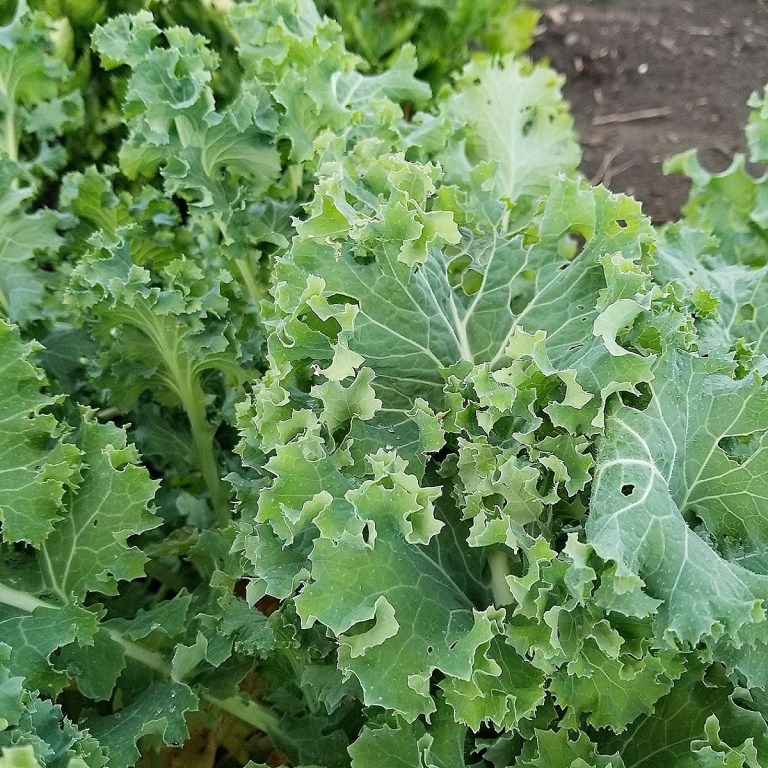
Siberian kale, also known as Russian kale or Siberian dwarf kale, is a nutrient-dense leafy green that belongs to the Brassica family. This cold-hardy plant is an excellent addition to any diet due to its impressive nutritional profile and versatile culinary uses. Here’s everything you need to know about Siberian kale and how you can incorporate it into your healthy eating routine.
One of the key benefits of Siberian kale is its high concentration of vitamins and minerals. It is particularly rich in vitamin K, which plays a crucial role in bone health and blood clotting. Additionally, Siberian kale contains significant amounts of vitamin C, vitamin A, iron, calcium, and antioxidants like lutein and zeaxanthin. These nutrients support immune function, promote healthy vision, aid in digestion, and protect cells from oxidative damage.
In terms of flavor and texture, Siberian kale has a mild taste compared to other varieties of kale such as curly or Lacinato. Its tender leaves are slightly sweet with a hint of earthiness, making it a great option for salads or smoothies. When cooked, Siberian kale retains its firmness better than other types of kale while still offering a delicate texture that pairs well with various dishes.
Growing Siberian Kale at home is relatively easy as it thrives in cool climates with full sun exposure. You can start by planting seeds indoors in early spring or directly sow them outdoors once the soil temperature reaches around 50°F (10°C). Make sure to space out the plants adequately to allow for proper growth and adequate air circulation.
To harvest Siberian Kale leaves for consumption, simply snip off outer leaves when they reach about 8-10 inches long using clean scissors or garden shears. Regularly harvesting mature leaves encourages new growth from the center of the plant while ensuring a continuous supply throughout the growing season. Remember to wash the leaves thoroughly before use to remove any dirt or debris.
When it comes to cooking Siberian Kale, there are countless ways to enjoy this nutritious green vegetable! You can sauté it with garlic and olive oil for a simple side dish, add it raw into salads for extra crunch and nutrition or blend it into smoothies for an added boost of vitamins. The possibilities are endless when it comes to incorporating this versatile ingredient into your meals.
In conclusion,
Siberian Kale is an excellent choice for those looking to enhance their diet with nutrient-packed greens that offer both health benefits and culinary versatility.
Whether you grow it at home or purchase it from local markets,
this hearty leafy green can be enjoyed in various dishes,
from salads
to stir-fries
to soups.
So next time you’re planning your meals,
consider adding some Siberian Kale
for a delicious
and nutritious boost!

Leave a Reply