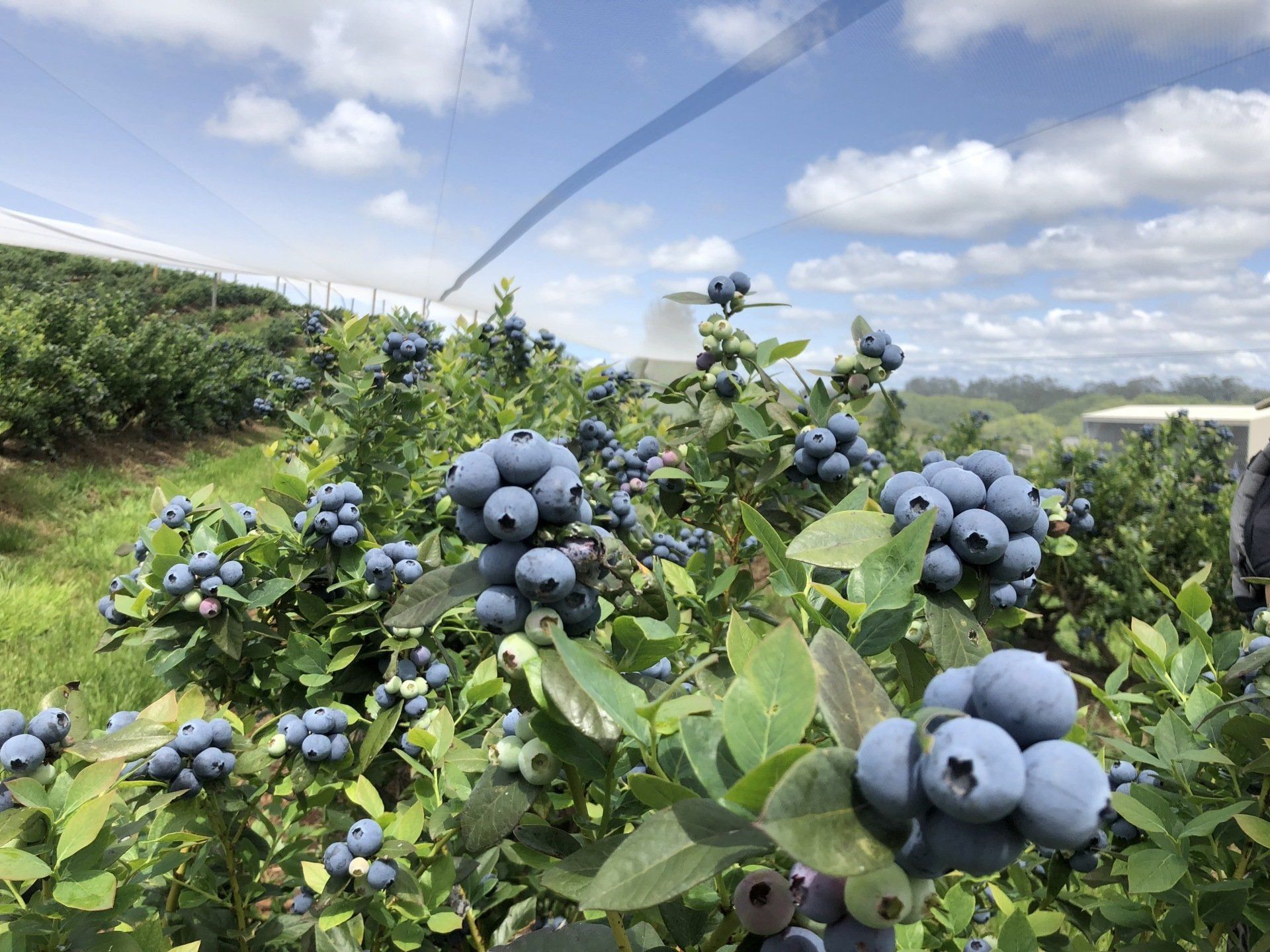
Blueberries are not only delicious and versatile in various recipes, but they are also packed with essential nutrients and antioxidants that offer numerous health benefits. Blueberry farming practices play a crucial role in ensuring the quality, yield, and sustainability of these nutritious berries.
One important aspect of blueberry farming is selecting the right location for cultivation. Blueberries thrive in acidic soil with a pH level between 4.5 to 5.5. It is essential to conduct soil tests before planting to ensure the soil conditions are optimal for blueberry growth. Additionally, blueberries require full sun exposure for at least six to eight hours a day to produce high-quality fruits.
Proper irrigation is key to successful blueberry farming. Blueberries have shallow roots that make them sensitive to drought stress. Drip irrigation systems are commonly used in blueberry farms as they deliver water directly to the roots, ensuring efficient water usage and reducing the risk of foliar diseases. Monitoring soil moisture levels regularly is crucial to avoid under or over-watering, which can impact fruit quality and plant health.
To promote healthy growth and maximize yield, proper fertilization is essential in blueberry farming practices. Blueberries have specific nutrient requirements, with nitrogen being one of the most critical elements for their growth. Organic fertilizers such as composted pine bark or peat moss are often used in blueberry farms to maintain soil acidity and provide slow-release nutrients throughout the growing season.
Pest management is another vital aspect of blueberry farming practices. Common pests that affect blueberries include fruit flies, mites, aphids, and fungal diseases like botrytis and powdery mildew. Integrated Pest Management (IPM) strategies involving cultural practices, biological control methods, and selective pesticide use help minimize pest damage while maintaining environmental sustainability.
Harvesting timing is crucial in ensuring optimal flavor and nutritional content in blueberries. The ideal time for harvesting varies depending on the variety grown but generally falls between June and August in most regions. Blueberries should be harvested when they reach full color development and firmness without being overly ripe or soft.
In conclusion, implementing proper farming practices such as selecting suitable growing locations, providing adequate irrigation and fertilization, managing pests effectively, and timing harvests correctly are essential for successful blueberry cultivation. By following these guidelines carefully, farmers can ensure a bountiful harvest of flavorful and nutritious blueberries year after year while promoting sustainable agricultural practices.

Leave a Reply