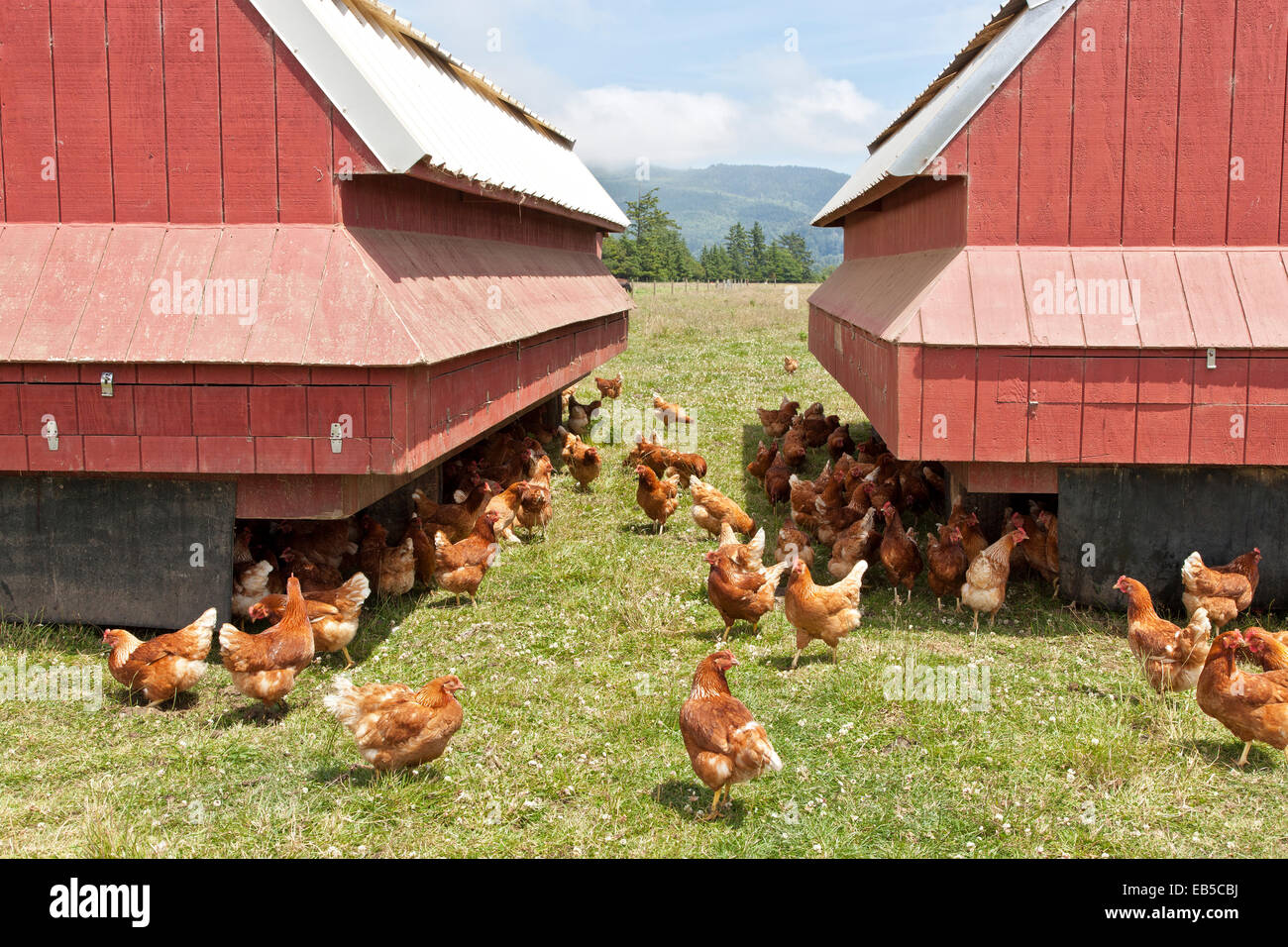
Free-range egg production has gained popularity in recent years due to its perceived benefits for both animal welfare and the environment. But what impact does free-range egg production have on local ecosystems? To delve into this topic, we sat down with Dr. Emily Green, an environmental scientist specializing in sustainable agriculture.
Q: Dr. Green, could you explain the impact of free-range egg production on local ecosystems?
A: Certainly. Free-range egg production can have both positive and negative effects on local ecosystems. On the one hand, allowing hens to roam freely outdoors can promote biodiversity by creating a more natural habitat for native species. However, if not managed properly, free-ranging chickens can also contribute to soil erosion and damage vegetation through overgrazing.
Q: How do organic eggs differ from free-range eggs?
A: The terms “organic” and “free-range” refer to different aspects of egg production. Organic eggs come from hens that are raised according to specific organic standards, which include feeding them organic feed without synthetic pesticides or antibiotics. Free-range eggs, on the other hand, indicate that the hens have access to the outdoors for at least part of the day.
Q: What are the nutritional benefits of free-range eggs compared to conventional eggs?
A: Research suggests that free-range eggs may contain higher levels of certain nutrients like omega-3 fatty acids and vitamin E compared to conventional eggs. This is believed to be due to differences in diet and lifestyle between free-ranging chickens and those confined indoors.
Q: How should consumers properly store free-range eggs for optimal freshness?
A: To maintain freshness, it’s recommended to store free-range eggs in their original carton in the refrigerator rather than on the door where temperatures fluctuate more. Eggs should be kept at a consistent temperature below 40°F (4°C) and away from strong-smelling foods as they can absorb odors easily.
Q: What ethical considerations should consumers take into account when consuming free-range eggs?
A: Consumers interested in ethical food choices may opt for free-range eggs believing that hens raised in more natural conditions experience better welfare compared to those kept in intensive confinement systems. However, it’s important to research individual farm practices as definitions of “free range” can vary widely.
Q: Are there regulations and certifications governing labeling of free-range eggs?
A: Yes, various certification bodies such as Certified Humane or Animal Welfare Approved provide guidelines for labeling products as “free range.” These certifications often require producers to meet specific standards related to outdoor access time per day, stocking densities, and overall animal welfare practices.
Q: Can you share tips for DIY backyard chicken farming for sourcing your own free-range eggs?
A: Starting a backyard flock requires careful planning including providing adequate space for roaming, secure shelter from predators, balanced nutrition through quality feed supplements or kitchen scraps (avoiding toxic foods), regular veterinary care,and proper waste management strategies.
Q&A Section:
1) Exploring Taste Differences:
When comparing various types of free-range eggs like pasture-raised vs backyard-raised ones,you might notice subtle flavor variations influenced by factors such as hen diet,sunlight exposure,and overall lifestyle habits.Experiment with different types based on personal preference!
2) Incorporating Free-Range Eggs Into Plant-Based Diets:
For individuals following plant-based diets seeking additional protein sources,including high-quality proteins like those found in ethically sourced,freerangeeggs can help meet daily nutrient requirements while supporting sustainable farming practices.Consult a nutritionistfor personalized recommendations!
3) History & Evolution Of Free-Range Egg Farming Practices:
The conceptof freerangeeggproduction dates back centuries when chickens were allowed toroam freelyin open fields.Today’spractices strive topromotemore humane treatmentof animalsand environmentally friendlyagricultural methodsby mimickingnatural behaviorsand minimizingstressfulconfinementconditions.Respectfor animals’well-beingandasustainable approachto foodproductionare keydriversshapingthe evolutionof freerangefarmingtoday.
4) Allergies & Sensitivities Related To Consuming Free-Range Eggs:
While some individualsmaybenefitfromchoosingfreerangeeggsdue toreducedexposuretoantibioticsor syntheticchemicals,otherswith allergiesor sensitivities tomold,pollen,danderor dietaryproteinslikely needto avoidall formsof eggtominimizehealthrisks.Alwaysspeakwitha healthcareproviderfordietaryrecommendationsbasedonyour specific healthneedsand concernsregardingfoodintolerancesorstomachissueswheneatingegg-containingproducts.
5) Creative Recipes Using Only Free-Range Egg Whites Or Yolks
Egg whitesandyolkscanbeutilizedinavarietyofculinaryapplicationsbeyondtraditionalrecipes.Whetherwhippingupfluffymeringues with leftover whitesor preparingdecadentcustardsusingrichyolks,the possibilitiesareendless!Experimentwithdishesrangingfromsoufflésandsalads totartsandcocktailstogetthemostoutofyourfreerangeeggcomponentswhileminimizingfoodwaste.
6) Carbon Footprint Of Transporting And Distributing Free-Range Eggs:
Reducingthecarbonfootprintassociatedwithtransportationanddistributionoffreerangeeggsrequiresevaluatingthesupplychainfromfarmtoplate.Optimizingroutes,minimizingpackagingwaste,andexploringalternativeenergy sourcesfor transportationcanhelplowerenvironmentalimpactsmakingethicaleggchoicesmore sustainableoverall.Withconsideredefforts,treadinglightlyonthelandwhenmakingfoodselectionsispossiblefortoday’sconsciousconsumers.
Ending note:
As consumer awareness continues togrowaroundethicalfoodpractices,sustainability,andnutrition,freerangeeggsremainapopularchoiceformanyseekingtobalancequality,lifestylepreferences,andenvironmentalimpact.Whileenjoyingeconomicbenefits,it’simportanttobeinformedaboutproductorigins,labelingsystems,andproperstorageguidelinestoensurefreshnessandsafety.Throughsupportinglocalfarmerspromotinghumaneanimaltreatmentandinformed consumptionpractices,youcanmakeapositiveimpactonyourhealth,theenvironmentandalocalcommunities.Choosewisely,eatmindfully,anddelightinyourdiningexperiencewithresponsiblysourcedfreerangeeggsasastapleinawholesome,dietaryroutine.

Leave a Reply