labeling regulations
-
Unveiling the Ecological Impact of Free-Range Egg Production
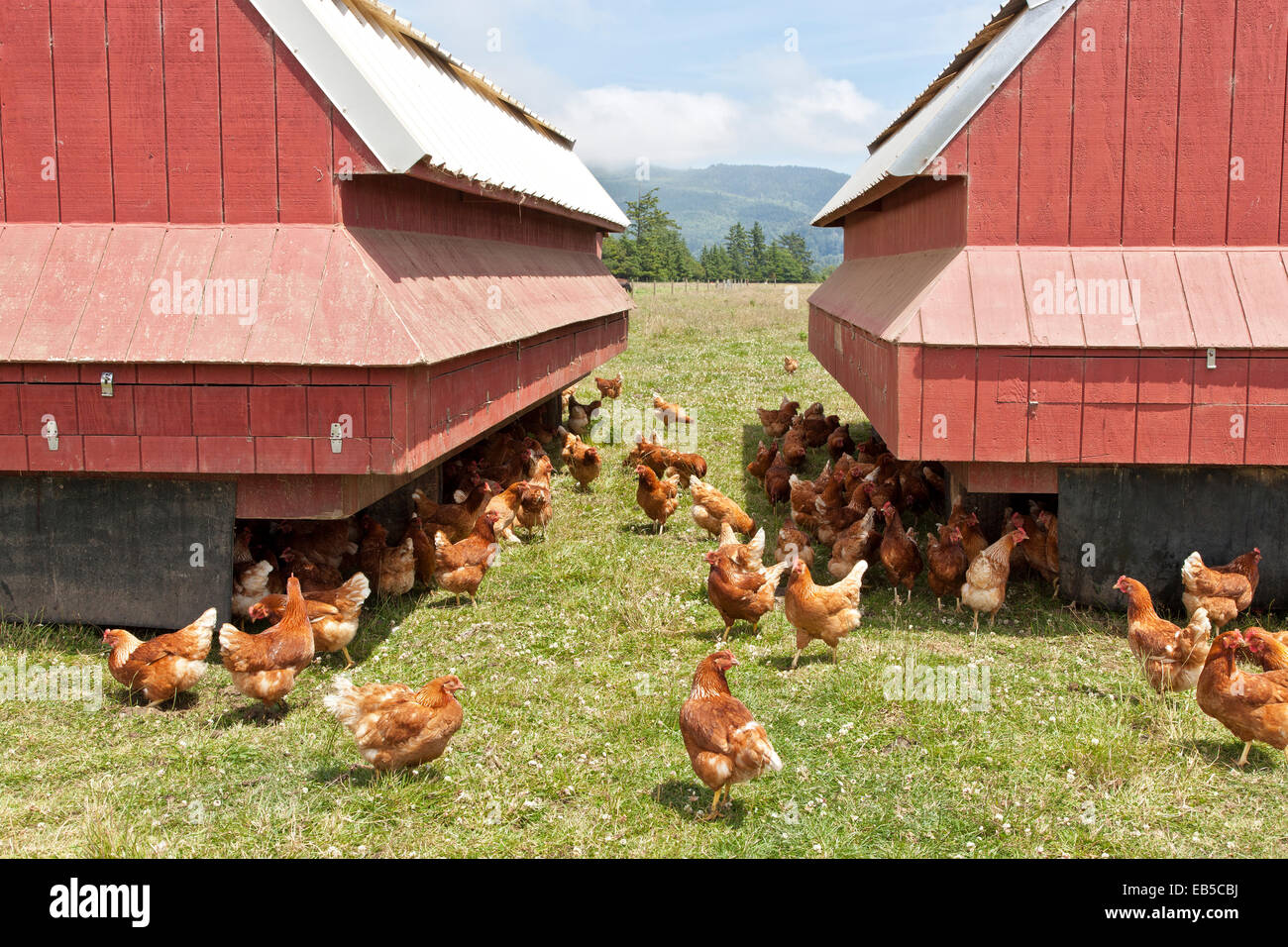
Free-range egg production has gained popularity in recent years due to its perceived benefits for both animal welfare and the environment. But what impact does free-range egg production have on local ecosystems? To delve into this topic, we sat down with Dr. Emily Green, an environmental scientist specializing in sustainable agriculture. Q: Dr. Green, could… Continue reading
-
Unlocking the Benefits of Free-Range Eggs: A Sustainable Choice for Health and Ecosystems
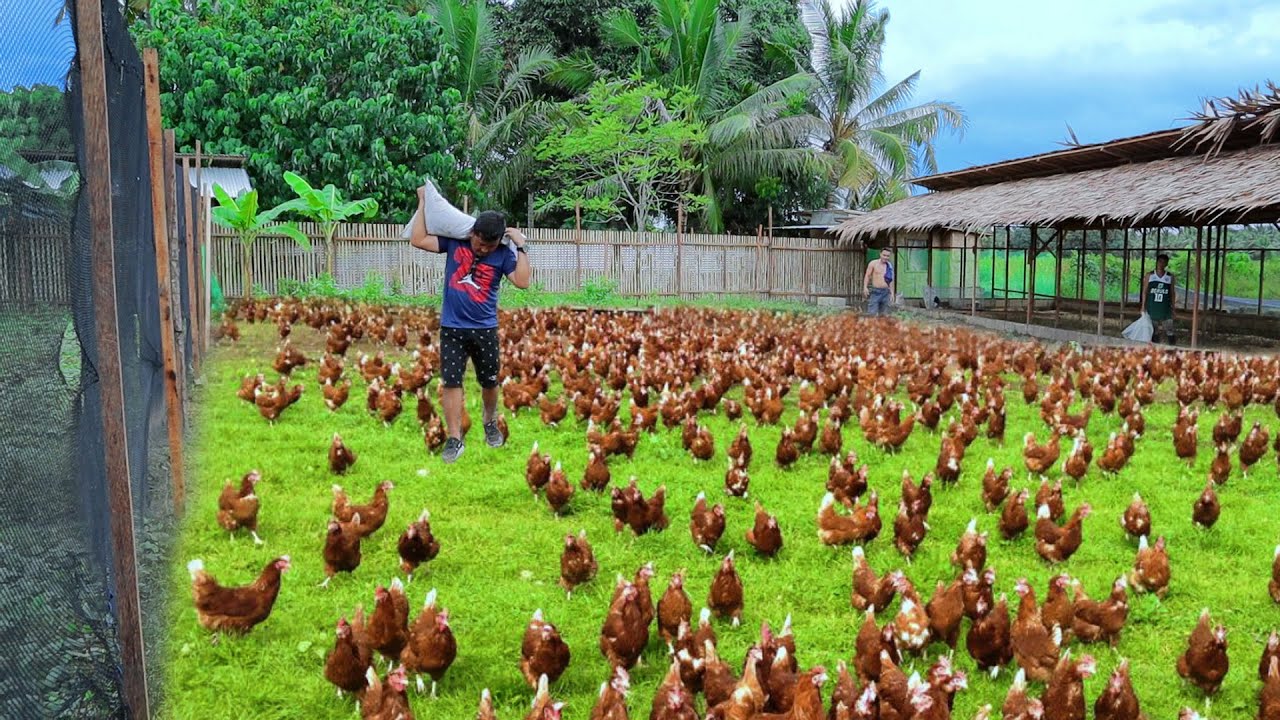
Free-range egg production has a significant impact on local ecosystems as it promotes biodiversity and natural pest control. By allowing hens to roam freely outdoors, they can forage for insects and plants, reducing the need for chemical pesticides in the environment. This practice helps maintain a healthy balance within the ecosystem by supporting beneficial wildlife… Continue reading
-
“Cracking the Case: The Complete Guide to Free-Range Eggs and What You Need to Know”
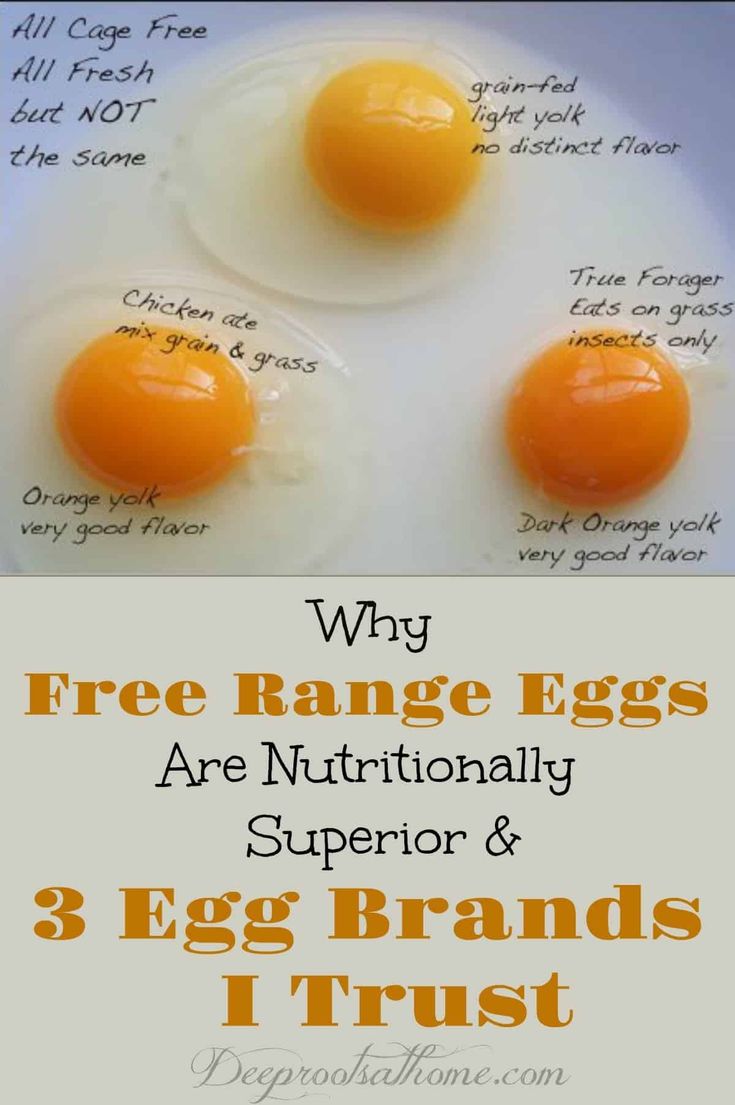
When it comes to free-range eggs, there are several important aspects to consider, including nutrient differences, environmental impact, omega-3 content, antibiotic use, welfare standards for hens, and more. Nutrient Differences: Free-range eggs tend to have higher levels of certain nutrients compared to conventional eggs. Studies have shown that free-range eggs may contain more vitamins A… Continue reading
-
“The Free-Range Egg Revolution: Ethical, Nutritious, and Impactful”

The Impact of Free-Range Egg Production on Local Ecosystems Free-range egg production has gained popularity in recent years due to increased consumer demand for ethically sourced and environmentally friendly food. However, it is essential to understand the impact of this farming method on local ecosystems. One significant advantage of free-range egg production is that it… Continue reading
animal welfare, antibiotic usage in farming, cholesterol levels, egg production, environmental impact., Free-range eggs, labeling regulations, local ecosystems, nutritional benefits, omega-3 fatty acids, organic vs non-organic eggs, salmonella contamination, sustainable farming practices, taste variations -
“Choosing Non-GMO: The Key to Gut Health and Overall Well-Being”

Non-GMO diets have gained popularity in recent years due to concerns about the potential risks of genetically modified organisms in food production. One area where non-GMO diets can have a significant impact is on gut health. Research suggests that consuming non-GMO foods can promote a healthier balance of gut bacteria, which plays a crucial role… Continue reading
About Me
Recent Posts
- The Ultimate Mental Wellness Guide: Science-Backed Strategies for 2026
- How to Use Mindful Eating for Better Wellness: Expert Insights
- Mindful Eating: The Art of Food Photography and Wellness
- Mindful Eating: The Art of Food Photography and Wellness
- Mindful Eating: The Art of Food Photography and Wellness