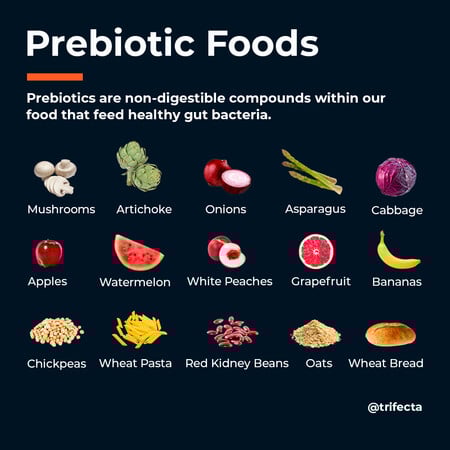
Our gut health plays a crucial role in our overall well-being, and prebiotics are an essential component of maintaining a healthy gut. Prebiotics are types of dietary fiber that feed the good bacteria in our gut, promoting digestive health and supporting various bodily functions.
Some common types of prebiotic foods include onions, garlic, leeks, bananas, asparagus, chicory root, and whole grains like oats and barley. These foods contain specific fibers that cannot be digested by our bodies but serve as fuel for the beneficial bacteria in our gut.
The benefits of consuming prebiotics are numerous. They can help improve digestion by promoting regularity and preventing constipation. Prebiotics also support a healthy immune system by aiding in the production of short-chain fatty acids that have anti-inflammatory properties.
Prebiotics have been linked to weight loss as they can help regulate appetite and reduce calorie absorption. Furthermore, they play a role in skin health by reducing inflammation and improving conditions like acne or eczema.
Incorporating prebiotics into your diet can be done through simple steps like adding more fruits, vegetables, whole grains, legumes, and nuts to your meals. Including prebiotic-rich recipes such as salads with garlic dressing or banana oat smoothies can make it easy to consume these beneficial fibers regularly.
While probiotics are often praised for their benefits on gut health, prebiotics are equally important as they provide the necessary food for probiotics to thrive in our digestive system. Together, they create a balanced microbiome that supports optimal health.
Overall, including prebiotic-rich foods in your diet is essential for maintaining a healthy gut microbiome and reaping the many benefits that come with it. Whether you choose to get your prebiotics from natural food sources or supplements will depend on your individual needs and preferences.

Leave a Reply