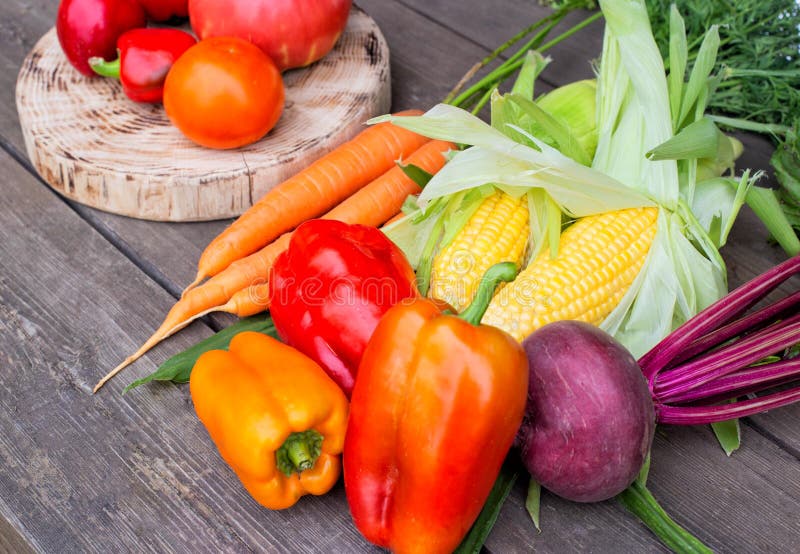
Seasonal eating is a practice that involves consuming foods that are harvested during a particular time of the year when they are at their peak in terms of flavor and nutritional value. By aligning our diets with the changing seasons, we not only support local farmers but also enjoy produce that is fresher, tastier, and more environmentally friendly.
Urban farming has gained popularity in recent years as people in cities look for ways to grow their own food in limited spaces. From rooftop gardens to community plots, urban farming allows city dwellers to reconnect with nature and access fresh produce right at their doorstep.
Community-supported agriculture (CSA) programs offer consumers the opportunity to purchase seasonal produce directly from local farmers. By becoming members of a CSA, individuals can support sustainable farming practices while receiving a weekly or monthly supply of fresh fruits and vegetables.
Farm-to-school programs aim to connect schools with local farms to provide students with nutritious meals made from locally sourced ingredients. These initiatives not only promote healthy eating habits among children but also strengthen the bond between communities and agricultural producers.
Organic farming practices prioritize soil health, biodiversity, and ecological balance without the use of synthetic pesticides or fertilizers. By choosing organic products, consumers can reduce their exposure to harmful chemicals while supporting environmentally friendly agricultural methods.
Sustainable seafood options promote responsible fishing practices that protect marine ecosystems and ensure the long-term viability of fish stocks. By selecting sustainably sourced seafood, individuals can enjoy delicious meals while contributing to ocean conservation efforts.
Plant-based diets focus on consuming whole plant foods such as fruits, vegetables, grains, legumes, nuts, and seeds while minimizing or eliminating animal products. Plant-based eating has been linked to numerous health benefits and is considered more sustainable than traditional meat-heavy diets.
Locally sourced honey produced by beekeepers in your area provides numerous health benefits due to its potential immunity-boosting properties and ability to alleviate allergy symptoms. Supporting local beekeepers also helps maintain pollinator populations crucial for agriculture.
Heirloom vegetables and fruits are traditional varieties that have been passed down through generations for their unique flavors, textures, and colors. By preserving heirloom crops, we safeguard biodiversity in our food system and celebrate cultural heritage through culinary traditions.
Foraging for wild edibles involves gathering plants like mushrooms, berries, greens, and herbs from natural landscapes responsibly. When done ethically and safely under proper guidance or education about native species,
Fermented foods like sauerkraut kimchi kombucha tempeh yogurt kefir miso pickles help improve digestion boost immune function enhance nutrient absorption Fermentation adds probiotics beneficial bacteria gut health
Zero waste cooking tips encourage using every part of an ingredient reducing food waste Composting vegetable scraps creating flavorful broths reusing leftovers embracing creativity kitchen
Edible gardening in small spaces allows individuals cultivate herbs salad greens microgreens even some fruits vegetables containers vertical gardens window boxes balcony railing planters maximize limited areas
Preserving techniques seasonal produce include canning freezing drying pickling fermenting making jams jellies chutneys sauces preserves extend shelf life enjoy year-round flavors summer fall harvests
Indigenous food sovereignty movements advocate self-determination rights access control traditional foods Indigenous communities promote culturally appropriate nutrition sustainability resilience reclaim land resources build healthier futures
Regenerative agriculture methods strive restore improve soil health ecosystem functioning increase biodiversity sequester carbon water efficiency enhance resilience climate change combatting regenerative practices benefit environment human health
Cooking edible flowers herbs add color flavor dishes like salads soups baked goods cocktails teas floral culinary creations elevate sensory experience meals offering variety nutrients antioxidants Edible flowers lavender rose nasturtium herb blossoms basil mint chamomile dandelion violet pansy borage fennel
Food justice initiatives address inequalities systemic issues surrounding access affordability quality nutritious promoting equity fair treatment workers sustainability transparency supply chain empower marginalized communities fight hunger poverty injustice within food system Food justice encompasses areas racial economic social environmental recognizing interconnectedness issues striving solutions create inclusive just equitable society
Biodynamic farming principles holistic approach agriculture emphasizes harmony nature enhancing soil fertility biodiversity crop livestock integration Biodynamic farmers view farm single organism work cosmic rhythms cycles enhance vitality resiliency farm ecosystem create balanced self-sustaining systems heal earth Biodynamic certification Demeter standards ensure adherence biodynamic principles worldwide advocacy education research development biodynamics
Home composting systems help reduce organic waste divert landfills enrich soil garden backyard compost bins worm vermicomposting Bokashi fermentation digest kitchen scraps turning valuable nutrient-rich fertilizer Plants thrive compost amendments improve structure moisture retention decrease erosion greenhouse gas emissions Organic matter broken decomposed microorganisms macroorganisms worms insects contribute healthy vibrant gardens
In conclusion Seasonal eating Urban Farming Community-Supported Agriculture Farm-to-School Programs Organic Farming Sustainable Seafood Options Plant-Based Diets Locally Sourced Honey Beekeeping Heirloom Vegetables Fruits Foraging Wild Edibles Fermented Foods Beverages Zero Waste Cooking Tips Edible Gardening Small Spaces Preserving Techniques Seasonal Produce Indigenous Food Sovereignty Movements Regenerative Agriculture Methods Cooking Edible Flowers Herbs Food Justice Initiatives Biodynamic Farming Principles Home Composting Systems offer diverse ways individuals engage sustainable ethical dietary practices support environmental stewardship social responsibility foster healthier communities Enjoy exploring incorporating these concepts daily routines make positive impact personal well-being planet large

Leave a Reply