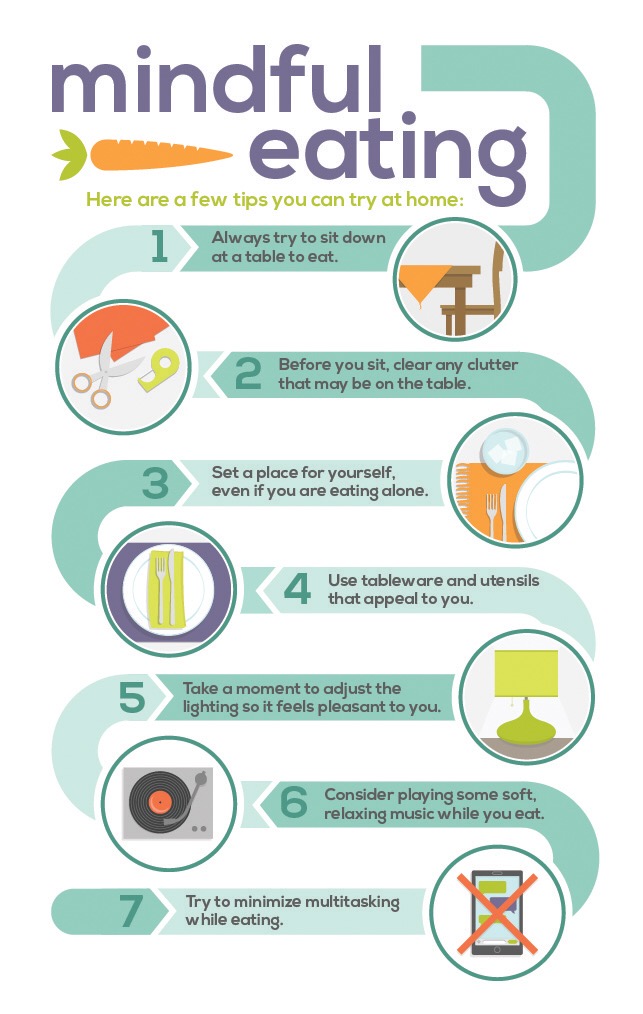
Mindful eating is a practice that involves paying full attention to the experience of eating and drinking, both inside and outside the body. It focuses on the present moment, without judgment or criticism. By incorporating mindful eating exercises into your daily routine, you can develop a healthier relationship with food, improve digestion, and even lose weight.
In today’s fast-paced world, many people rush through their meals without truly savoring or enjoying them. This leads to overeating, poor digestion, and disconnectedness from our bodies’ hunger cues. Mindful eating offers a solution by bringing awareness to our eating habits and fostering a deeper connection with the food we consume.
Here are some effective mindful eating exercises that you can incorporate into your daily life:
1. **Mindful Breathing Before Eating:**
Before you start your meal, take a few moments to focus on your breath. Sit comfortably at the table with your eyes closed and take several deep breaths in through your nose and out through your mouth. Feel the sensation of each inhale and exhale as you center yourself in the present moment.
2. **Express Gratitude:**
Take a moment to express gratitude for the food in front of you. Reflect on where it came from—the farmers who grew it, the hands that prepared it—and appreciate all the effort that went into bringing this nourishment to your plate.
3. **Engage Your Senses:**
As you begin to eat, engage all five senses—sight, smell, taste, touch, and hearing—to fully experience your meal. Notice the colors and textures of your food, savor its aroma before taking a bite, chew slowly to appreciate its taste fully.
4. **Chew Slowly:**
Many people rush through their meals without properly chewing their food. Chewing slowly not only aids digestion but also allows you to enjoy the flavors of each bite more fully.
5. **Put Down Your Utensils Between Bites:**
Instead of continuously shoveling food into your mouth while holding onto utensils constantly put them down between bites helps slow down your pace during meals allowing for better appreciation of what you are consuming
6 .**Check-in With Your Hunger Cues:**
Periodically pause during your meal to check in with how hungry or full you feel using a hunger scale ranging from 1-10 (1 being extremely hungry; 10 being uncomfortably full). This helps tune in with bodily signals rather than external influences like portion sizes or time constraints
7 .**Practice Mindful Snacking:**
Extend mindfulness beyond main meals by applying these principles when having snacks too – choosing nutritious options mindfully consumed without distractions
8 .**Eat Without Distractions**:
Avoid multitasking while dining such as watching TV or working at desk as they divert focus away from sensations related to consumption which may lead overeating
9 .**Listen To Your Body Signals:**
Respect satiety cues stopping when feeling satisfied rather than aiming for empty plates which may cause discomfort later
10 .**Reflect On Meal Experience:**
After finishing reflect upon feelings emotions thoughts experienced during mealtime noting any patterns observed helping cultivate self-awareness around relationship with food
By incorporating these mindful eating exercises into every mealtime practice regularly will help foster healthy habits around consumption leading overall well-being improvements both physically emotionally mentally encouraging positive changes within lifestyle choices gradually benefiting long-term health outcomes considering holistic approach towards nutrition mindfulness intertwined closely making sustainable difference transforming individual wellness journey positively

Leave a Reply