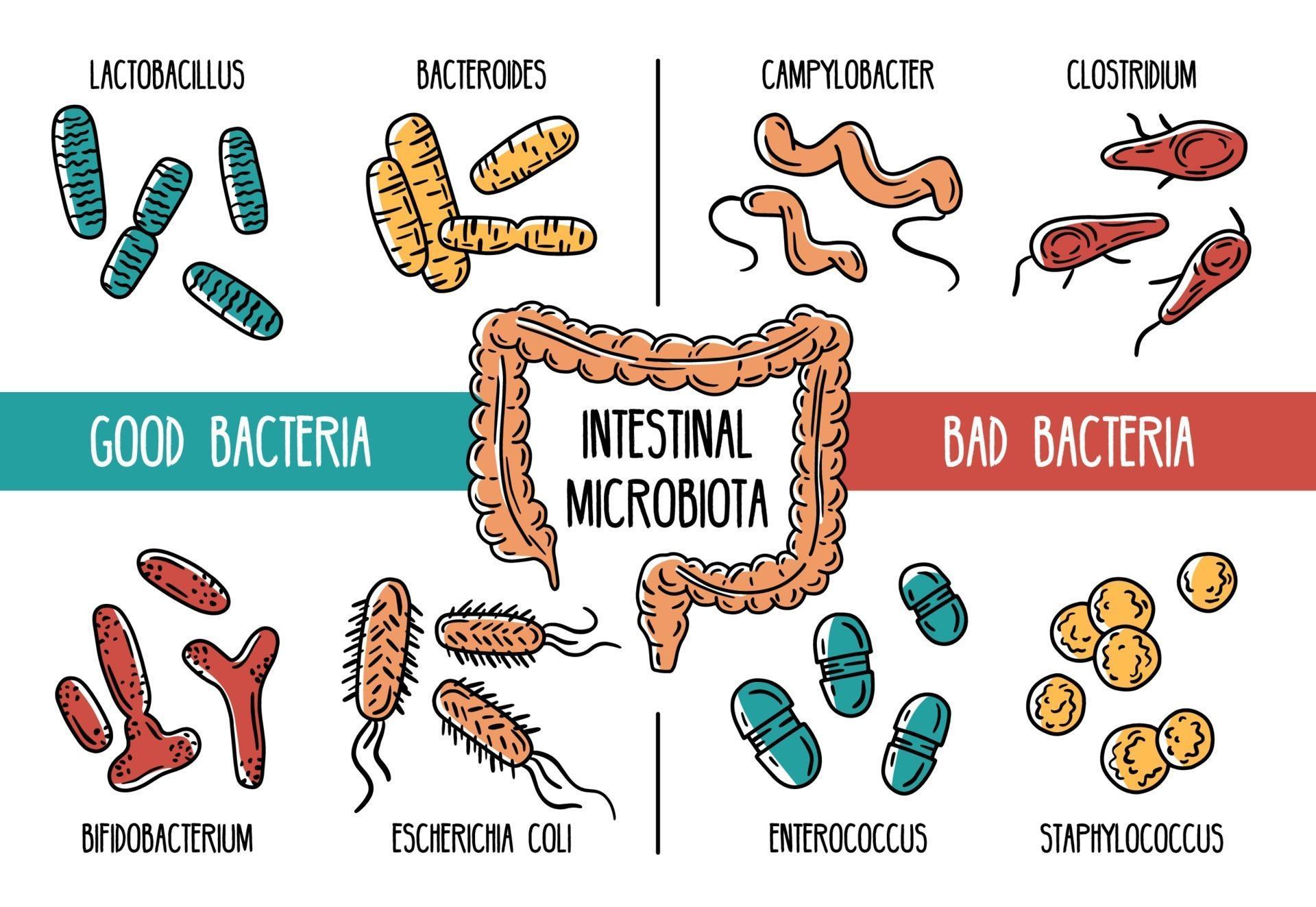
The gut-brain axis is a complex communication system between the gut and the brain, involving neural, hormonal, and immunological pathways. This bidirectional relationship plays a crucial role in regulating various physiological processes, including digestion, mood, stress response, and even cognitive function. Stress can have a significant impact on gut health by altering the composition of the gut microbiome and increasing intestinal permeability. Chronic stress has been linked to conditions such as irritable bowel syndrome (IBS) and inflammatory bowel disease (IBD).
The diversity of the gut microbiome is essential for overall health. A diverse range of beneficial bacteria helps maintain a balanced immune system and promotes proper digestion. Prebiotics are non-digestible fibers that serve as food for probiotics in the gut, supporting their growth and activity.
There is growing evidence suggesting a strong connection between gut health and skin conditions like acne, eczema, and psoriasis. The imbalance in gut bacteria can contribute to inflammation throughout the body, potentially exacerbating skin issues.
Gut health also plays a role in autoimmune diseases like rheumatoid arthritis and multiple sclerosis. An unhealthy gut can lead to increased intestinal permeability or “leaky gut,” allowing harmful substances to enter the bloodstream and trigger an immune response.
During pregnancy, maintaining good gut health is crucial not only for the mother’s well-being but also for fetal development. Imbalances in the maternal microbiome have been associated with adverse outcomes such as preterm birth and gestational diabetes.
Artificial sweeteners have been shown to alter the composition of gut bacteria negatively; their consumption may disrupt metabolic processes in ways that could contribute to weight gain or metabolic disorders.
Incorporating fermented foods rich in probiotics into your diet can help support a healthy balance of gut bacteria. Probiotics are live beneficial bacteria that promote gastrointestinal health by crowding out harmful microbes.
Fiber is essential for digestive health as it supports regular bowel movements and feeds beneficial bacteria in the gut. A diet high in fiber-rich foods like fruits, vegetables, whole grains, legumes can help maintain optimal gut function.
Overall, maintaining good gut health through proper nutrition, stress management techniques along with incorporating prebiotics/probiotics into your diet can positively impact various aspects of overall physical well-being from skin conditions to mental health disorders while boosting immunity against allergies or autoimmune diseases among other benefits.

Leave a Reply