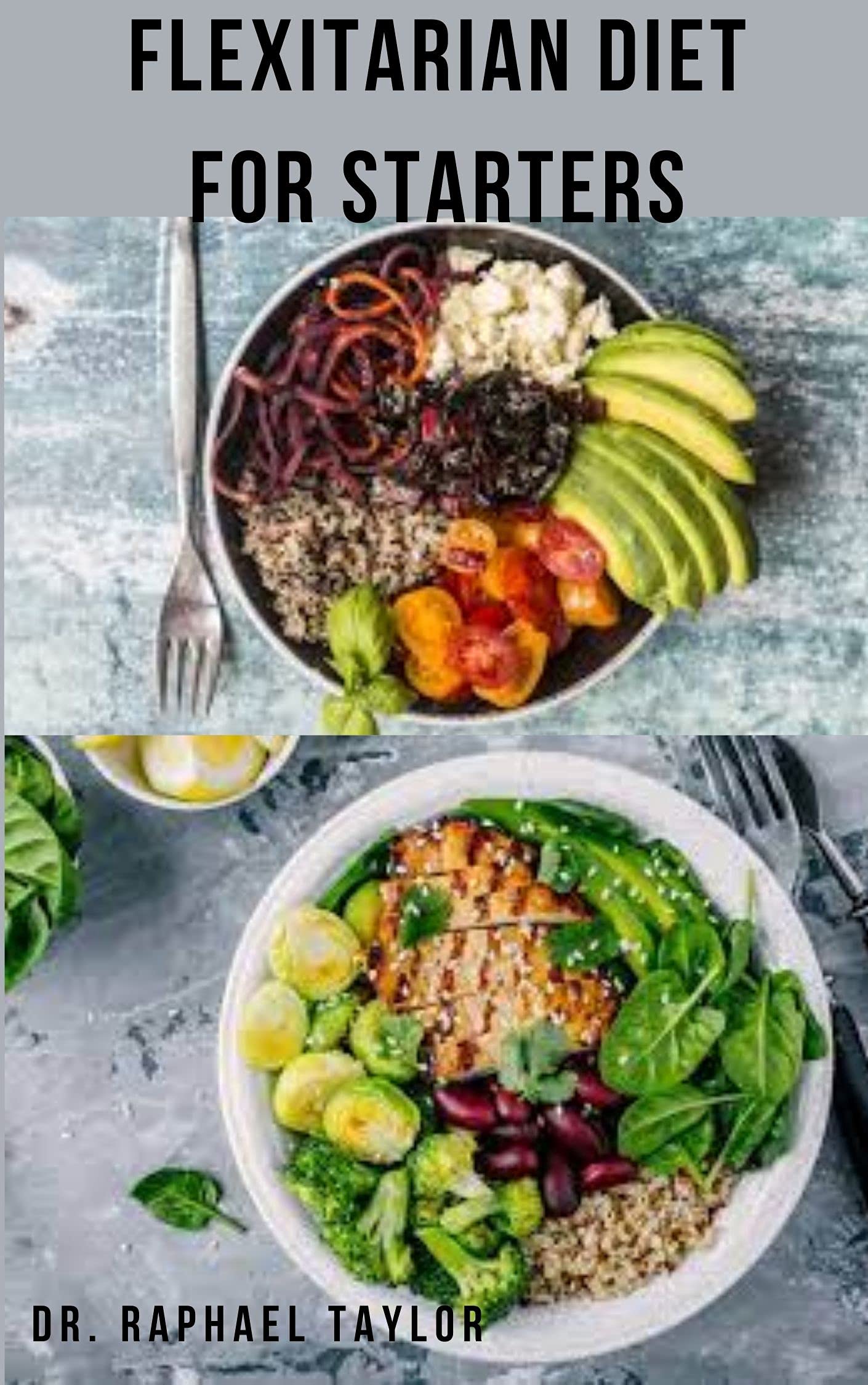
A flexitarian diet, which focuses on plant-based foods while allowing for occasional meat consumption, has gained popularity in recent years due to its numerous health and environmental benefits. By incorporating more fruits, vegetables, whole grains, legumes, nuts, and seeds into your meals while reducing the intake of animal products, you can improve your overall well-being and contribute to a more sustainable food system.
**Benefits of a Flexitarian Diet:**
1. *Health Benefits:* A flexitarian diet is associated with lower risks of chronic diseases like heart disease, diabetes, and certain types of cancer. Plant-based foods are rich in essential nutrients like fiber, vitamins, minerals, and antioxidants that support optimal health.
2. *Environmental Impact:* By reducing meat consumption and increasing plant-based food intake, you can help lower greenhouse gas emissions and reduce water usage associated with livestock production. Adopting a flexitarian lifestyle contributes to sustainability efforts and promotes ethical food choices.
**Flexitarian Meal Planning:**
When planning meals as a flexitarian, focus on creating balanced dishes that include a variety of plant-based ingredients such as vegetables, fruits, whole grains, legumes (beans and lentils), nuts/seeds for protein sources along with small portions of meat or fish if desired.
**Flexitarian Recipes for Beginners:**
For beginners looking to transition into a flexitarian diet:
– Start with simple recipes like vegetable stir-fries or bean salads.
– Experiment with vegetarian chili or lentil soups.
– Incorporate tofu or tempeh into stir-fries or wraps.
**How to Transition to a Flexitarian Diet:**
Gradually reduce the amount of meat in your meals while increasing plant-based options. Try Meatless Mondays or designate specific days where you focus on vegetarian dishes only.
**Flexitarian Pantry Staples:**
Stock up on pantry essentials such as:
– Whole grains (brown rice, quinoa)
– Canned beans
– Nuts and seeds
– Olive oil
– Herbs/spices
These staples will form the foundation for many nutritious flexitarian meals.
**Flexitarian Protein Sources:**
Plant-based protein sources include:
– Legumes (chickpeas,
lentils)
-Nuts/seeds
-Tofu/tempeh
-Greek yogurt
Incorporating these options ensures adequate protein intake on a flexitarian diet.
The article proceeds by discussing breakfast ideas such as smoothie bowls with berries or avocado toast; lunch options like quinoa salads or veggie wraps; dinner recipes including roasted vegetable pasta primavera or black bean tacos; snack ideas such as hummus with sliced veggies; desserts like chia pudding topped with fruit; eating out tips focusing on choosing vegetarian-friendly restaurants; meal prep suggestions emphasizing batch cooking grains/legumes for quick assembly during the week; mindful eating strategies promoting savoring each bite; budget-friendly meal ideas showcasing affordable produce-centered dishes; nutrient balance advice ensuring adequate intake of key nutrients when reducing meat consumption.

Leave a Reply