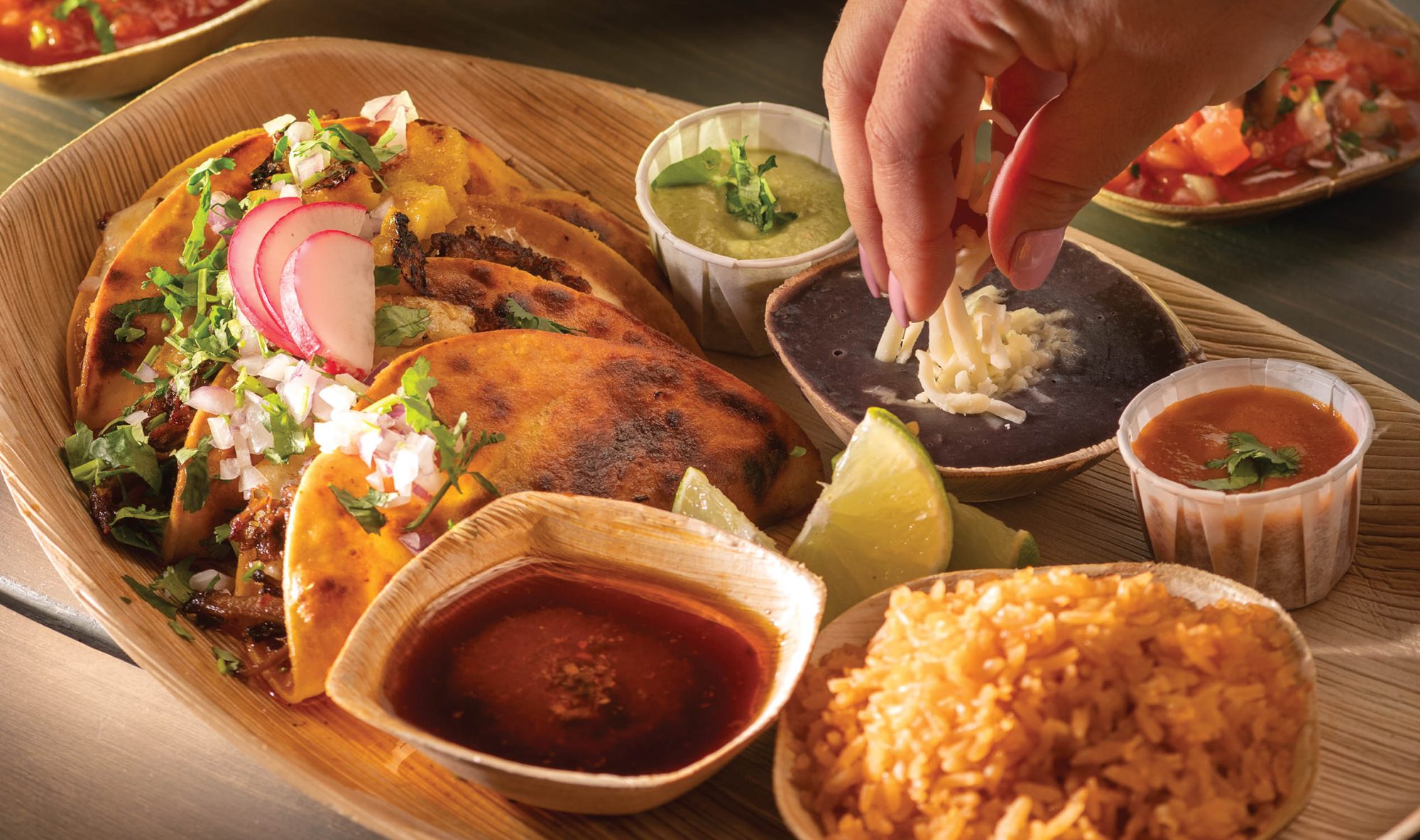
Mexican cuisine is a vibrant and diverse culinary tradition that has captivated taste buds around the world. With its rich history, bold flavors, and fresh ingredients, Mexican food offers a plethora of delicious options that can easily be incorporated into a healthy diet.
One of the staples of Mexican cuisine is corn, which has been cultivated in Mexico for thousands of years. Corn is used to make tortillas, tamales, and other traditional dishes that form the backbone of Mexican cooking. Corn tortillas are not only gluten-free but also low in fat and calories, making them a healthier alternative to flour tortillas.
Another key ingredient in Mexican cuisine is beans. Whether black beans, pinto beans, or refried beans, these legumes are an excellent source of protein and fiber. Beans can help lower cholesterol levels, regulate blood sugar levels, and promote digestive health. They are often used as a filling for tacos or burritos or served as a side dish with rice.
Fresh vegetables play a prominent role in Mexican dishes as well. Tomatoes, avocados, peppers, onions, and cilantro are commonly used to add color and flavor to salsas, guacamole, and salads. These vegetables are packed with essential vitamins and minerals that support overall health and well-being.
Spices like cumin, chili powder, oregano, and garlic are frequently used in Mexican cooking to create robust flavors without relying on excessive salt or fat. These spices not only enhance the taste of dishes but also offer various health benefits such as anti-inflammatory properties and digestive support.
Seafood is also prevalent in Mexican coastal regions where dishes like ceviche (raw fish marinated in citrus juice) showcase the freshness of local ingredients. Fish such as tilapia or shrimp are lean sources of protein rich in omega-3 fatty acids that promote heart health.
When it comes to meat-based dishes like grilled chicken or beef fajitas or slow-cooked pork carnitas; portion control is key for maintaining a balanced diet. Opting for lean cuts of meat cooked with minimal oil can help reduce saturated fat intake while still enjoying the savory flavors characteristic of Mexican cuisine.
In conclusion,
Mexican cuisine offers a wide array
Of flavorful choices every day
With fresh ingredients galore
You’ll never find yourself wanting more
So next time you’re planning your meals
Consider adding some Mexican appeal
Your taste buds will thank you indeed
For embracing this nutritious feed
Embrace the colors,
Savor each bite,
And let Mexican cuisine
Nourish your body just right.
Remember – healthy eating doesn’t have to be bland!

Leave a Reply