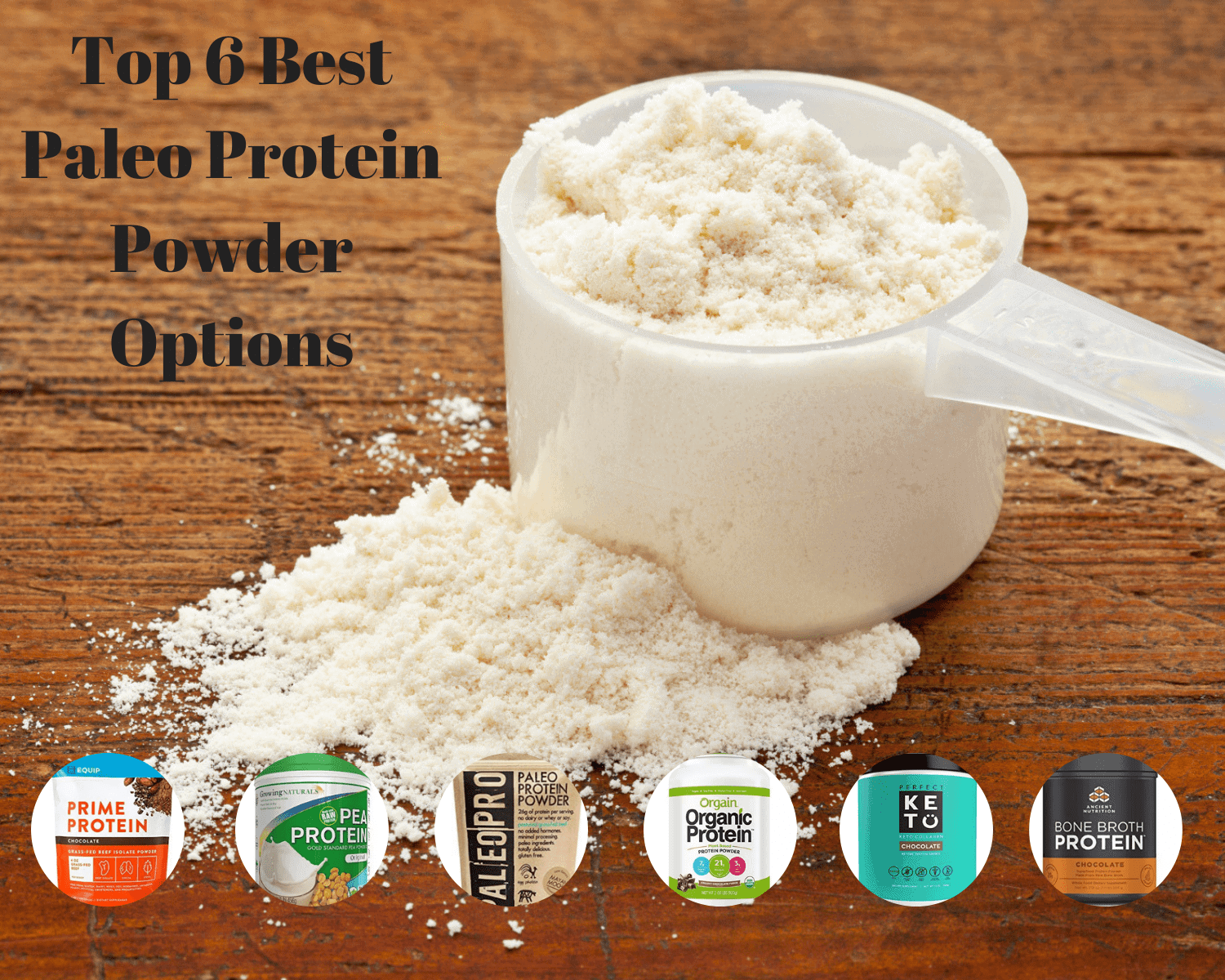
Protein powder has long been a staple in the fitness world, particularly for those looking to build muscle. While whole food sources of protein are important in any diet, protein powder can be a convenient and effective way to increase your protein intake, especially for individuals with higher muscle-building goals.
One of the primary reasons why protein powder is so popular among athletes and fitness enthusiasts is its convenience. It can be challenging to consume enough protein solely through whole foods, especially for those following specific dietary preferences or restrictions. Protein powders come in various forms such as whey, casein, soy, pea, hemp, and rice proteins, providing options for different dietary needs.
Whey protein is one of the most common types and is derived from milk during the cheese-making process. It’s quickly absorbed by the body and contains all essential amino acids needed for muscle growth and repair. Casein protein is another dairy-based option that is digested more slowly than whey, making it ideal for sustained release of amino acids into the bloodstream.
For individuals who are lactose intolerant or follow a plant-based diet, there are plenty of non-dairy options available. Soy protein is a complete plant-based protein source that contains all essential amino acids. Pea protein, made from yellow split peas, has become increasingly popular due to its high digestibility and hypoallergenic properties.
When it comes to muscle building specifically, consuming an adequate amount of high-quality protein is crucial for promoting muscle synthesis post-workout. Research suggests that consuming 20-30 grams of protein within 30 minutes to two hours after exercise can maximize muscle growth potential.
While incorporating protein powder into your diet can be beneficial for muscle building purposes, it’s important to remember that they should supplement a well-rounded diet rich in whole foods. Protein powders should not replace real food sources but rather complement them when necessary.
In conclusion,
protein powder can be a valuable tool in supporting muscle building efforts by providing a convenient source of high-quality protein. With various options available on the market catering to different dietary needs and preferences,
it’s essential to choose a product that aligns with your individual goals and lifestyle choices.
Remember to consult with a healthcare professional or registered dietitian before making significant changes to your diet or supplementation routine.
Ultimately,
protein powder should enhance your overall nutrition plan rather than serve as its foundation.

Leave a Reply