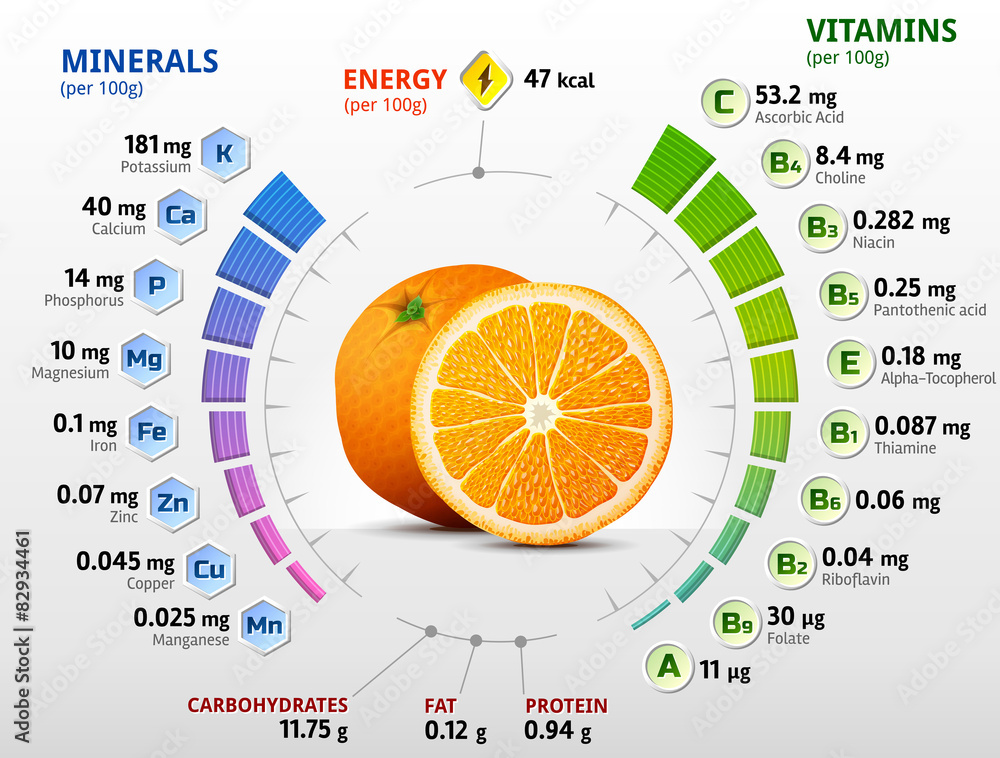
Oranges are well-known for being a delicious and nutritious fruit that is packed with vitamins and minerals. They are a popular choice for many people looking to maintain a healthy diet due to their high vitamin C content, antioxidants, and fiber.
When it comes to choosing between fresh oranges and frozen oranges, there are several factors to consider in terms of nutrition, convenience, and taste. Let’s delve into the comparison between these two options to help you make an informed decision about which one may be the best choice for your dietary needs.
Nutritional Content: For more insights, check out our article on Elevate Your Cooking Game with Perfect R….
Fresh Oranges: Fresh oranges are known for their vibrant color, juicy flesh, and refreshing taste. They are naturally rich in vitamin C, which is essential for supporting a healthy immune system and promoting collagen production for skin health. Oranges also contain other important nutrients such as folate, potassium, thiamine (vitamin B1), and antioxidants like flavonoids. For more insights, check out our article on Best Meditation Apps 2026: Transform You….
Frozen Oranges: Frozen oranges can be a convenient option when fresh oranges are not readily available or out of season. The freezing process can slightly affect the texture of the fruit but generally preserves most of its nutritional value. Frozen oranges still retain their vitamin C content, although some loss may occur during processing.
In terms of overall nutritional content, fresh oranges may have a slight edge over frozen ones due to minimal processing. However, both options provide valuable nutrients that can contribute to a balanced diet.
Convenience:
Fresh Oranges: When it comes to convenience, fresh oranges require washing before consumption and peeling if eaten whole. While they offer the satisfaction of biting into a juicy piece of fruit straight from nature, they may not be as easily accessible year-round or during travel.
Frozen Oranges: Frozen oranges offer the advantage of longer shelf life compared to fresh ones since they can be stored in the freezer for several months without spoiling. They also eliminate the need for peeling or cutting since they can be used directly in smoothies or recipes once thawed.
For busy individuals or those looking to reduce food waste by extending the lifespan of their produce purchases, frozen oranges can be a practical choice.
Taste:
Fresh Oranges: The flavor profile of fresh oranges is often preferred by many due to their juiciness and brightness. Eating a freshly peeled orange can provide a refreshing burst of citrus that appeals to those who enjoy natural sweetness with tangy notes.
Frozen Oranges: While frozen oranges may not offer the same textural experience as fresh ones due to changes in consistency after thawing – especially if eaten on their own – they still retain much of their original flavor when incorporated into dishes like smoothies or desserts where texture is less crucial.
Ultimately, personal preference plays a significant role in determining whether one enjoys the taste of fresh versus frozen oranges more.
Usage:
Fresh Oranges: Fresh oranges lend themselves well to various culinary applications beyond simply eating them as snacks. Their juice can be freshly squeezed for beverages or used as an ingredient in marinades or dressings. The zest from orange peel adds aromatic citrus notes when grated over dishes like salads or baked goods.
Frozen Oranges: Frozen oranges excel in recipes that call for blended ingredients such as smoothies where texture differences become less noticeable once mixed with other components like yogurt or fruits. They can also serve as convenient additions to baking projects requiring orange flavor without having access to fresh fruit at hand.
Cost Comparison:
Fresh vs frozen
The cost difference between purchasing fresh versus frozen depends on factors such as seasonality,
location,
brand,
and quantity bought.
Generally speaking,
fresh produce tends
to cost more than its
frozen counterpart due
to perishability issues
and transportation costs
Environmental Impact:
From an environmental standpoint,
choosing locally sourced
fresh produce could potentially
have lower carbon footprint compared
to consuming imported frozen products.
However,
the impact varies depending on factors
like distance traveled,
agricultural practices employed,and packaging materials used.
Conclusion:
Both fresh and frozen oranges have unique advantages depending on individual preferences and lifestyle considerations.
While fresh 0ranges shine 0n cases where immediate consumption freshness,and full sensory experience matter most,frozen orangessuit situations requiring longer storage times,easeof use,and versatilityin cooking oor meal prep.
Whether you choose fres0rzenoras,youcanenjoytheirnutritious benefits while indulging your tastebuds all year round.
Make suretincorporate thesecitrusfruitsintoyourdietfora heathyboostof viamimCanttioxidants accompanyyourhealthyeating journeywiththecolorfulgoodnessoforanes!
Recommended Tools:
🎯 Get BubbleText Keyboard to improve your experience
For creating professional audio content with AI-generated voices, [ElevenLabs](https://try.elevenlabs.io/w95mzlppyxor) offers cutting-edge voice synthesis technology.
For additional productivity tools and resources to streamline your workflow, explore the solutions at [Smorgi Apps](https://smorgi.app).

Leave a Reply