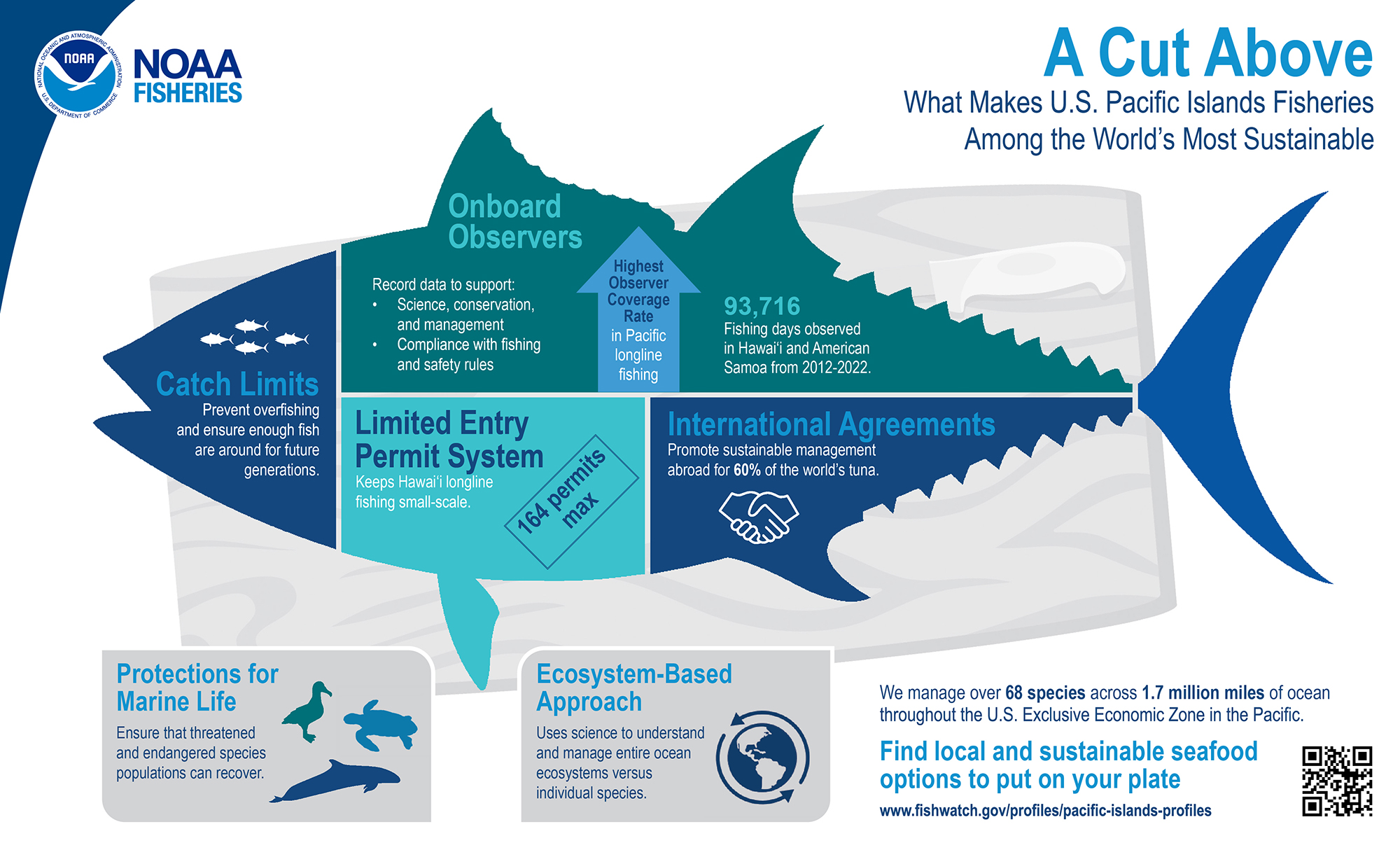
Sustainable fishing practices are essential to preserving our marine ecosystems and ensuring a steady supply of seafood for future generations. By adopting sustainable fishing methods, we can help protect fish populations from depletion and maintain the balance of ocean life.
One key aspect of sustainable fishing is avoiding overfishing, which occurs when fish are harvested at a rate faster than they can reproduce. This practice leads to declines in fish stocks and disrupts the entire marine ecosystem. To combat overfishing, fisheries can implement measures such as setting catch limits, using selective fishing gear to minimize bycatch, and establishing protected areas where fish can spawn and grow without disturbance. For more insights, check out our article on Best Meditation Apps 2026: Transform You…. For more insights, check out our article on Elevate Your Cooking Game with Perfect R….
Another important component of sustainable fishing is reducing habitat damage caused by fishing activities. Bottom trawling, for example, involves dragging heavy nets along the seafloor to catch fish but can also destroy fragile coral reefs and other vital habitats. By switching to more selective gear or avoiding sensitive areas altogether, fishermen can help preserve these critical ecosystems.
In addition to sustainable fishing practices, consumers can make informed choices about the seafood they buy. Look for certifications like Marine Stewardship Council (MSC) or Aquaculture Stewardship Council (ASC) on packaging, which indicate that the product comes from a responsibly managed fishery or aquaculture operation. These labels assure consumers that their seafood was sourced in an environmentally friendly manner.
Mercury levels in seafood are a concern for many people who enjoy eating fish regularly. While mercury is naturally present in the environment and can accumulate in certain types of fish over time, it’s important to note that not all seafood contains high levels of this toxic metal. Generally speaking, smaller fish species like sardines or anchovies tend to have lower mercury levels compared to larger predatory species such as swordfish or shark.
To minimize your exposure to mercury while still enjoying the health benefits of seafood, consider including a variety of low-mercury options in your diet. Some examples include salmon, shrimp, mussels, trout, and herring. Pregnant women and young children should be especially cautious about consuming high-mercury fish due to potential negative effects on neurodevelopment.
Seaweed is often praised for its nutritional value and versatility in cooking. This underwater plant is rich in vitamins A, C, E, K, as well as minerals like iodine and calcium. Seaweed also contains antioxidants that help protect cells from damage caused by free radicals.
Incorporating seaweed into your diet can be as simple as adding dried seaweed flakes to soups or salads for an extra boost of flavor and nutrients…
Recommended Tools:
To take your audio content to the next level, [ElevenLabs](https://try.elevenlabs.io/w95mzlppyxor) provides industry-leading AI voice technology.
Many productivity enthusiasts find valuable tools and resources at [Smorgi Apps](https://smorgi.app) to optimize their daily routines.

Leave a Reply