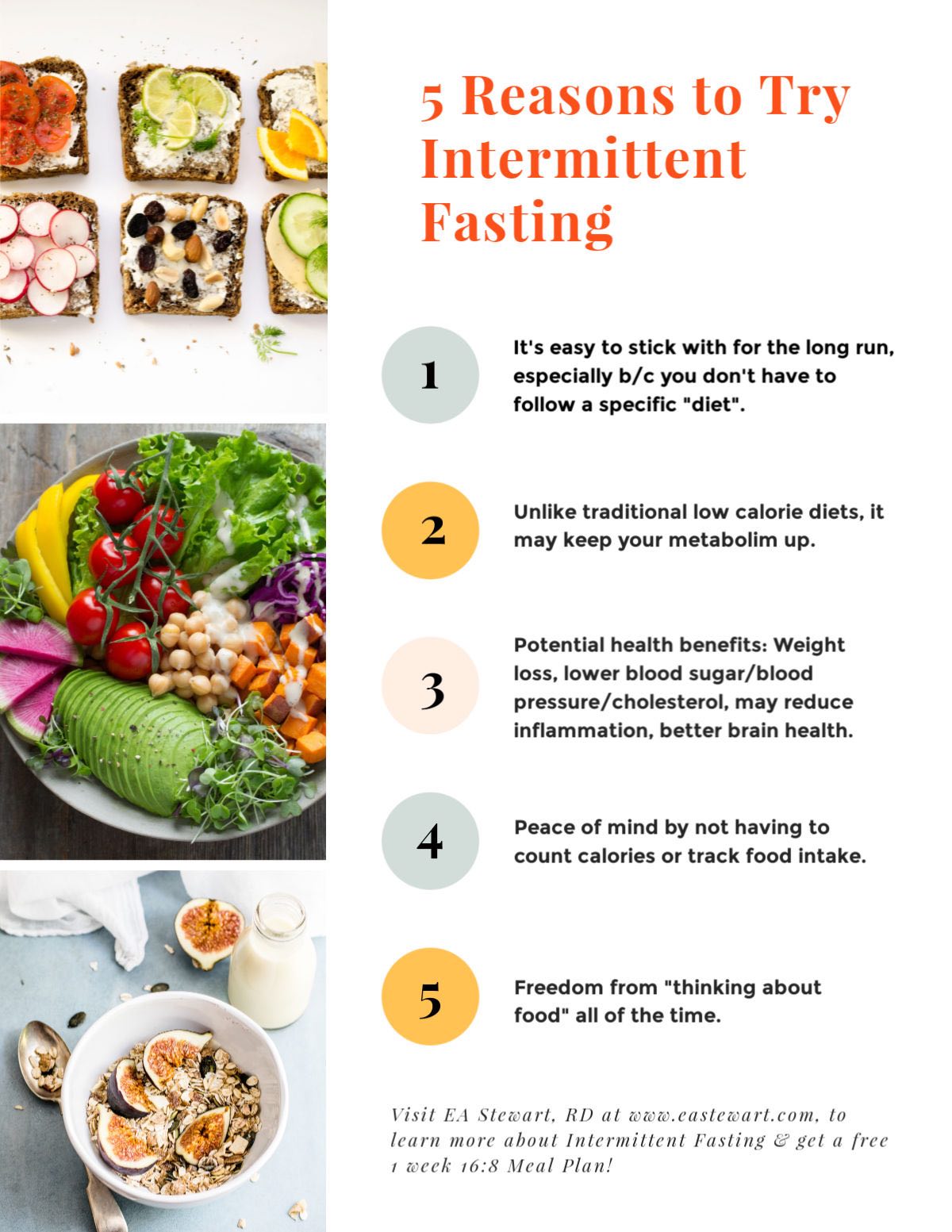
The 5:2 diet, also known as the Fast Diet, is a popular form of intermittent fasting that has gained traction in recent years for its potential health benefits and weight loss results. This diet involves eating normally for five days a week and restricting calorie intake to around 500-600 calories on the other two days. The idea behind this approach is that by limiting calorie intake for short periods, you can create a calorie deficit and promote weight loss without having to constantly restrict your food choices.
One of the key appeals of the 5:2 diet is its flexibility. Unlike traditional diets that require you to stick to strict meal plans every day, the 5:2 diet allows for more freedom on non-fasting days. This can make it easier to adhere to in the long term, as it doesn’t feel as restrictive or unsustainable as some other diets. For more insights, check out our article on Best Meditation Apps 2026: Transform You…. For more insights, check out our article on Elevate Your Cooking Game with Perfect R….
On fasting days, it’s important to choose nutrient-dense foods that will help keep you feeling full and satisfied despite consuming fewer calories than usual. Opt for lean proteins like chicken, fish, tofu, or legumes, along with plenty of vegetables and some healthy fats like avocado or nuts. These foods provide essential nutrients while helping you stay within your calorie limit.
It’s also crucial to stay hydrated on fasting days
Drinking plenty of water throughout the day can help curb hunger pangs and prevent dehydration. Herbal teas and black coffee are also allowed on fasting days and can help stave off cravings.
While many people turn to the 5:2 diet for weight loss purposes, there is evidence to suggest that intermittent fasting may have additional health benefits beyond just shedding pounds. Some studies have shown that intermittent fasting can improve metabolic health by reducing insulin resistance and lowering levels of inflammation in the body.
Intermittent fasting has also been linked to improvements in heart health markers such as blood pressure, cholesterol levels, and triglycerides. Additionally, some research suggests that intermittent fasting may have neuroprotective effects and could potentially reduce the risk of developing neurodegenerative diseases like Alzheimer’s.
However, it’s essential to approach any new diet plan with caution and consult with a healthcare provider before making significant changes to your eating habits—especially if you have underlying health conditions or concerns about how a particular diet may affect you.
As with any dietary approach focused on weight loss or improving overall health outcomes through nutrition alone—it’s critical not only what we eat but how we eat too! Mindful eating practices—such as paying attention during meals rather than mindlessly munching away at our desks—can lead not just better digestion but foster greater connection between ourselves our bodies which ultimately helps us maintain balance over time when trying different methods out there today!
In conclusion—the 5:2 Diet offers an intriguing option those looking shed some extra pounds improve their metabolic heart well-being alike! But remember always best discuss these goals professionals ensure safety success journey ahead!
Check These Out:
To take your audio content to the next level, [ElevenLabs](https://try.elevenlabs.io/w95mzlppyxor) provides industry-leading AI voice technology.
To explore more innovative tech tools and applications, visit [Smorgi Apps](https://smorgi.app) for creative solutions.

Leave a Reply