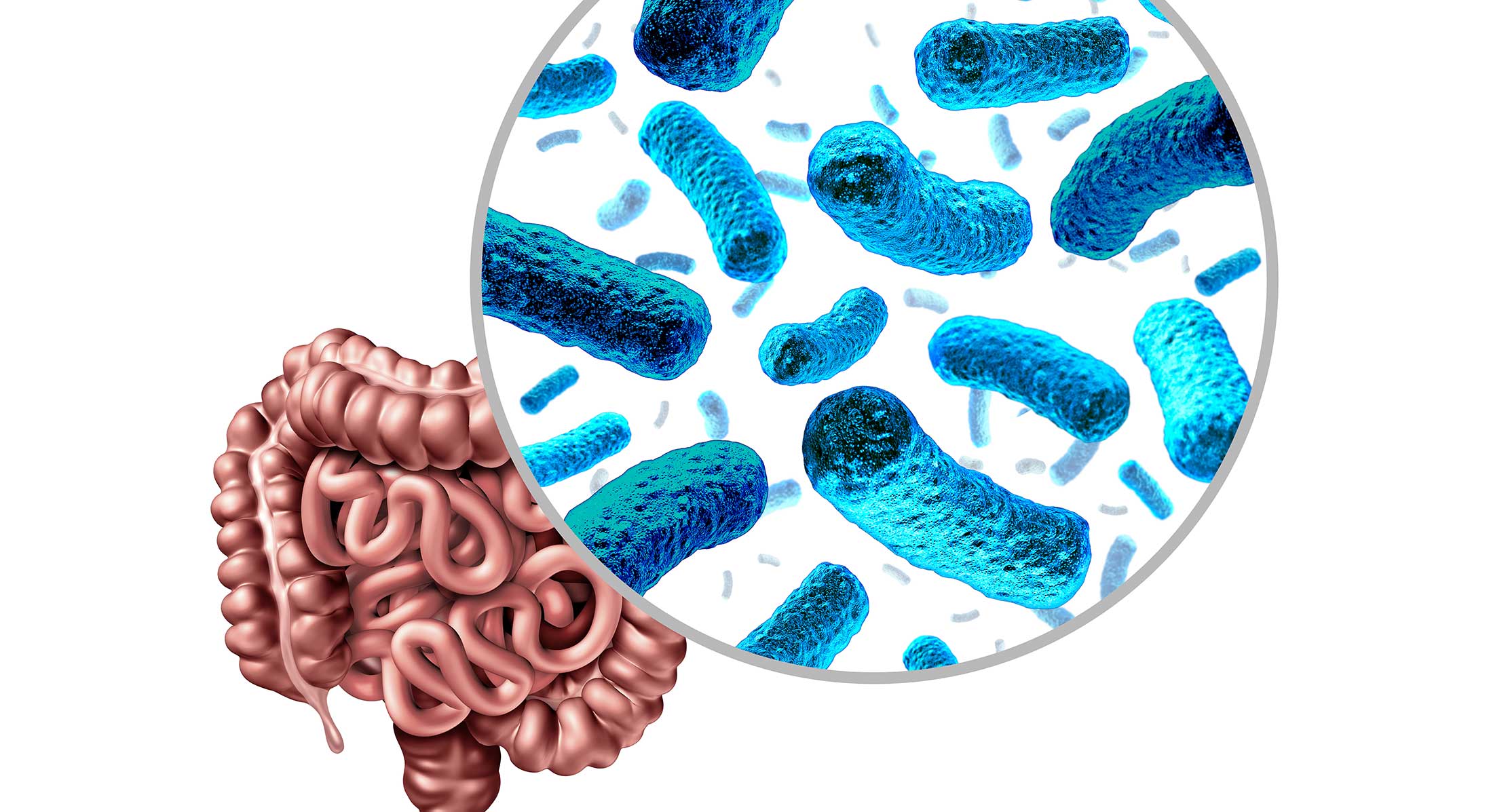
Prebiotics and the Gut-Brain Axis
Prebiotics are non-digestible fibers that serve as food for probiotics, the beneficial bacteria in our gut. They play a crucial role in maintaining a healthy gut microbiome, which is linked to various aspects of our health, including the gut-brain axis. The gut-brain axis refers to the bidirectional communication system between the gastrointestinal tract and the central nervous system. For more insights, check out our article on Best Meditation Apps 2026: Transform You….
1. Prebiotics and Mental Health:
Research suggests that prebiotics can have a positive impact on mental health by influencing neurotransmitter levels and reducing inflammation in the brain. Studies have shown that a healthy gut microbiome, supported by prebiotics, is associated with reduced symptoms of depression and anxiety.
For more insights, check out our article on Elevate Your Cooking Game with Perfect R….
2
Prebiotics for Skin Health:
The connection between gut health and skin health is well-established, with an imbalance in gut bacteria potentially leading to skin issues like acne or eczema. By promoting a diverse and balanced microbiome, prebiotics can support overall skin health and may help improve conditions related to inflammation.
3. Prebiotics and Athletic Performance:
Athletes require optimal nutrition for peak performance, and prebiotics can play a role in supporting their training regime. A healthy gut contributes to efficient nutrient absorption and energy production, potentially enhancing endurance and recovery.
4. Prebiotics in Pregnancy:
During pregnancy, maintaining good digestive health becomes even more critical due to its impact on both maternal well-being and fetal development. Incorporating prebiotic-rich foods into a pregnant woman’s diet can help support her immune system, digestion, mood stability, weight management, and possibly reduce the risk of complications such as gestational diabetes.
5
Prebiotic Supplements vs Natural Sources:
While supplements can be convenient sources of prebiotics, it’s generally recommended to obtain nutrients from whole foods whenever possible for better absorption rates and additional nutritional benefits present in natural sources like fruits, vegetables, legumes,and whole grains.
6. Sustainable Sourcing of Prebiotic Ingredients:
As awareness grows about sustainable practices within the food industry,sourcing prebitoic ingredients ethically becomes paramount.This includes utilizing organic farming methods,fair trade policies,and supporting local suppliers when possible,to ensure environmental responsibility throughout the supply chain.
7.Combining Prebioics with Probitoics for Maximum Benefit
Pairing proboitics with prbeiotics,a practice known as synegy,is often touted as wayto enhance bnetifs.Proboitcs introduce helpful bacterial strains while prezervign those microbs is crucil.
In conlusion,the imporatnceofprteobitois inteh diet cnaot be underestimated.Their inpact on guut-health,mnocroibial balacne,and varoius areas fo helath makethem an essentail componetnofa holitsc appraoch ot welnes.
Recommended Tools:

Leave a Reply