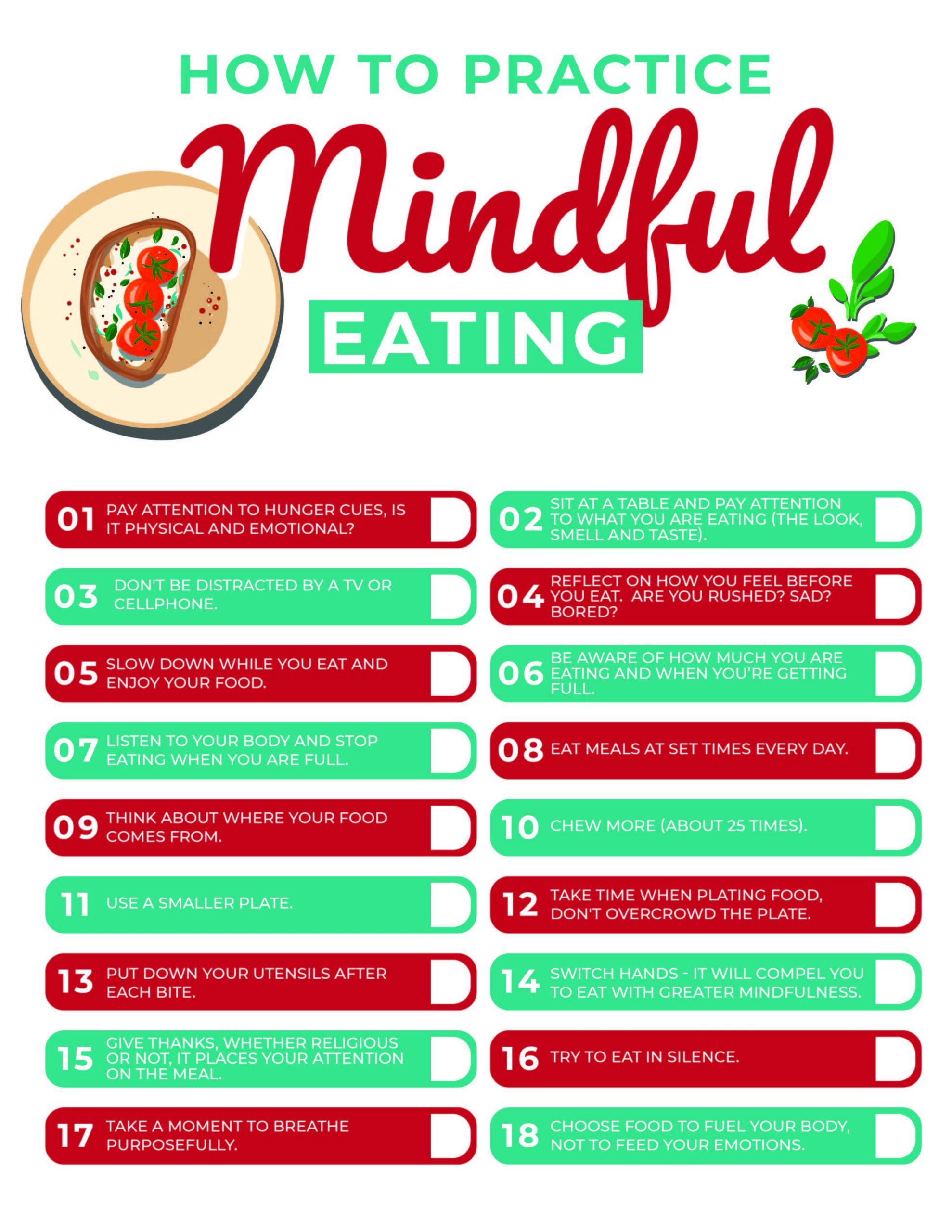
Mindful eating is a practice that involves being fully present and engaged in the eating experience. It focuses on paying attention to your body’s hunger cues, savoring each bite, and being aware of how different foods make you feel. This approach can not only help improve digestion but also promote healthier eating habits, including better portion control.
Here are some commonly asked questions about mindful eating and portion control:
Q: What exactly is mindful eating?
A: Mindful eating is all about being present while you eat. It involves focusing on the sensory experience of food – its taste, texture, aroma – without distractions like TV or smartphones. By paying attention to your body’s hunger signals and fullness cues, you can better regulate your food intake and prevent overeating. For more insights, check out our article on Elevate Your Cooking Game with Perfect R….
For more insights, check out our article on Best Meditation Apps 2026: Transform You….
Q: How can mindful eating help with portion control
A: Mindful eating encourages listening to your body’s hunger and fullness cues instead of relying on external factors like portion sizes or calorie counts. By slowing down, chewing your food thoroughly, and savoring each bite, you give your brain time to register when you’re satisfied, which can prevent overeating.
Q: Are there any tips for practicing mindful eating?
A: Yes! Start by tuning into your body’s hunger cues before reaching for a snack or meal. Eat slowly and chew each bite thoroughly to fully enjoy the flavors of your food. Take breaks between bites to check in with yourself and assess if you’re still hungry or satisfied. And remember to remove distractions during meals to focus solely on the act of eating.
Q: Can mindful eating help with weight management?
A: Absolutely! Mindful eating promotes a healthier relationship with food by encouraging self-awareness and moderation. By becoming more attuned to what your body needs and how it responds to different foods, you can make more informed choices that support weight management goals.
Incorporating mindful eating practices into your daily routine can have lasting benefits for both physical health and overall well-being. By being more intentional about how we nourish our bodies, we not only improve our relationship with food but also cultivate a greater sense of mindfulness in other areas of life as well.
Recommended Tools:
If you’re interested in high-quality AI voice generation for your projects, check out [ElevenLabs](https://try.elevenlabs.io/w95mzlppyxor) for realistic voice synthesis.
To enhance your productivity toolkit, check out the innovative apps and resources available at [Smorgi Apps](https://smorgi.app).

Leave a Reply