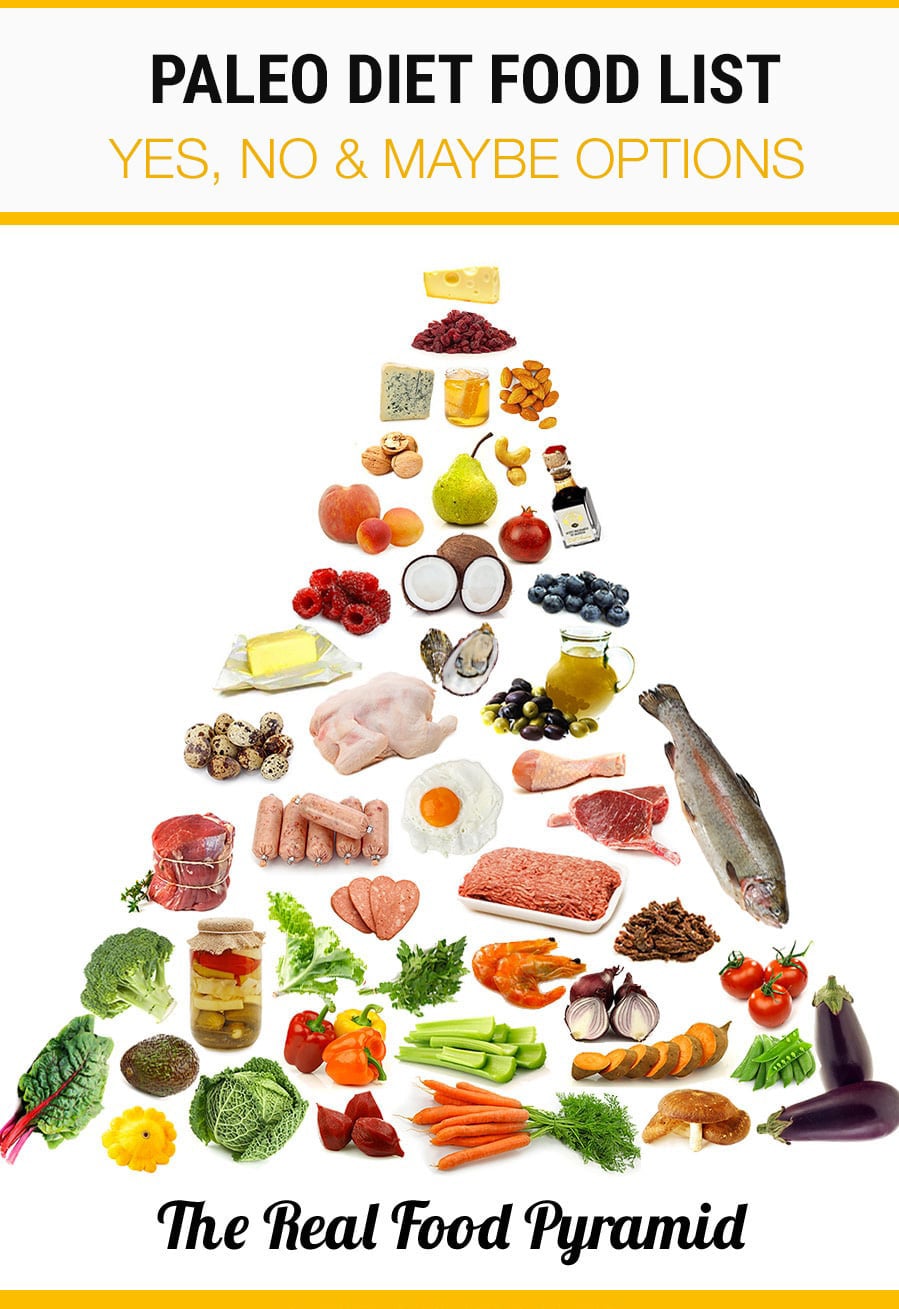
The Paleo diet, also known as the Paleolithic or caveman diet, is based on foods similar to what might have been eaten during the Paleolithic era. This diet typically includes lean meats, fish, fruits, vegetables, nuts, and seeds while excluding grains, legumes, dairy products, refined sugar, and processed oils.
For athletes looking to fuel their performance with a Paleo diet, focusing on high-quality proteins such as grass-fed beef and poultry can help in muscle repair and growth. Incorporating healthy fats from sources like avocados and nuts can provide sustained energy for workouts. Additionally, consuming carbohydrates from fruits and starchy vegetables can replenish glycogen stores post-exercise.
Vegetarians following a Paleo lifestyle may find it challenging but not impossible. They can include plant-based proteins such as tofu and tempeh along with a variety of vegetables to meet their nutrient needs. Supplements like algae oil can provide essential omega-3 fatty acids typically found in fish. For more insights, check out our article on Best Meditation Apps 2026: Transform You…. For more insights, check out our article on Elevate Your Cooking Game with Perfect R….
When it comes to children’s nutrition, a Paleo diet rich in whole foods can support their growth and development. Encouraging them to eat a rainbow of fruits and vegetables ensures they receive a wide range of vitamins and minerals. Healthy snack options like sliced veggies with guacamole or homemade fruit popsicles can be both kid-friendly and Paleo-approved.
Gut health is crucial for overall well-being, and the Paleo diet emphasizes foods that support a healthy gut microbiome. Including fermented foods like sauerkraut or kimchi provides beneficial probiotics that aid digestion. Bone broth is another staple in the Paleo diet that contains collagen which supports gut lining integrity.
In terms of mental health benefits, some individuals report improved mood stability when following a Paleo lifestyle due to stable blood sugar levels from whole food choices. The emphasis on nutrient-dense foods may also support brain function.
Hormonal balance is essential for various bodily functions including metabolism and stress response. The nutrient-rich foods in a Paleo diet such as seafood rich in omega-3s and zinc from meat are beneficial for hormonal health.
For those dealing with autoimmune conditions seeking relief through dietary changes, the anti-inflammatory nature of the Paleo diet may offer some benefits by eliminating potential trigger foods like gluten or dairy.
Implementing intermittent fasting alongside a Paleo approach has gained popularity for its potential weight management benefits by optimizing insulin sensitivity. This eating pattern involves cycling between periods of eating and fasting which aligns with how our ancestors might have consumed food.
Snacking on the go while following a Paleo lifestyle doesn’t have to be complicated; options like mixed nuts or homemade energy balls made with dates are convenient choices that provide sustained energy without processed ingredients.
Planning budget-friendly meals within a paleo framework involves prioritizing seasonal produce which tends to be more affordable than out-of-season items. Buying in bulk when possible can also save money on pantry staples like nuts or seeds.
Indulging in desserts while still adhering to paleo guidelines is possible with treats sweetened naturally using options like honey or maple syrup instead of refined sugars; recipes for coconut flour brownies or chia seed pudding are delicious alternatives.
While alcohol isn’t typically encouraged on strict paleo diets due to its inflammatory effects on the body; if choosing alcoholic beverages opt for dry wines or spirits without added sugars over beer or sugary cocktails.
Fermented foods play an important role in gut health within paleo diets by providing beneficial bacteria that promote digestive wellness; incorporating options such as kombucha or kefir adds probiotics into your daily routine.
Eating seasonally within paleo principles means enjoying produce at its peak freshness resulting in better flavor profiles while supporting local farmers’ markets; adjusting meal plans based on what’s available each season ensures diversity in your diet.
Including organ meats provides valuable nutrients often missing from modern diets such as vitamin A & B12 along with iron & zinc making them important components within paleo eating habits; exploring recipes incorporating liver paté or heart tacos offers creative ways to enjoy these nutritional powerhouses.
Bone broth is commonly used within paleo lifestyles due to its numerous health benefits including supporting joint health & improving skin elasticity thanks to collagen content; sipping on warm bone broth alone or using it as a base for soups enhances nutritional intake while adding depth of flavor.
Navigating social situations while maintaining adherence to paleo guidelines requires communication about dietary preferences & being prepared ahead of time by bringing your own dishes when attending gatherings ensuring you have suitable options available without feeling restricted.
Recognizing the impact sleep has on eating habits underscores the importance of establishing consistent bedtime routines promoting quality restorative sleep leading individuals towards making healthier food choices throughout their day creating harmony between proper rest & mindful nourishment practices within your paleo journey
Recommended Tools:
🔊 Create professional audio content with ElevenLabs AI
📱 Download MindfulAI Keyboard from the App Store

Leave a Reply