Raw Veganism: A Guide to a Healthier Lifestyle
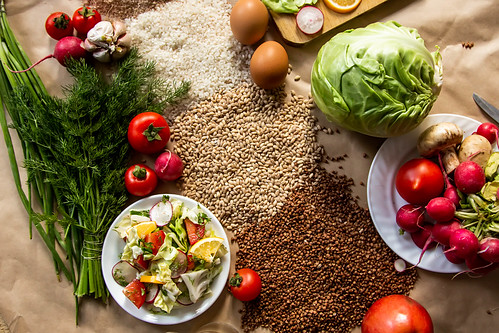
Raw veganism is a lifestyle that promotes consumption of plant-based foods in their natural, raw state. This means that food must not be cooked beyond 118°F (48°C). Raw vegans consume fruits, vegetables, nuts, seeds, and grains. They do not consume any animal products or by-products such as meat, dairy products or eggs.
The concept of raw veganism is based on the premise that cooking food destroys essential nutrients and enzymes present in them. Raw foodists believe that consuming raw foods provides the body with all the essential nutrients required for optimal health.
Benefits of Raw Veganism
1. Weight Loss – A raw vegan diet is low in calories but high in fiber, which helps to reduce appetite and prevent overeating leading to weight loss.
2. Improved Digestion – Raw foods contain digestive enzymes that help break down food easily leading to better digestion and gut health.
3. Increased Energy – When you switch to a raw vegan diet, your body gets all essential nutrients without having to work hard breaking down complex proteins found in animal products leading to increased energy levels.
4. Clearer Skin – Eating plenty of fruits and vegetables can improve skin health by providing antioxidants and other vital nutrients necessary for healthy skin.
5. Reduced Risk Of Chronic Diseases – The consumption of plant-based diets has been associated with lower risks of chronic diseases like diabetes, heart disease and cancer when compared with non-vegetarian diets.
How To Start A Raw Vegan Diet?
If you are considering going fully or partially raw vegan here are some tips:
1) Plan Your Meals: Create an eating plan focusing on whole foods including fruits & veggies; nuts & seeds; legumes; sprouts etc., this will make it easier for you when shopping at grocery stores
2) Experiment With Different Flavors And Recipes: Explore different recipes online or cookbooks to find new flavors that appeal to your taste buds.
3) Invest In A Good Blender Or Juicer: These kitchen gadgets will make it easier for you to incorporate raw fruits and vegetables into your diet in a delicious way.
4) Be Prepared To Eat More Frequently: With raw veganism, you may need to eat more frequently as the food is less calorically dense compared to cooked meals.
5) Listen To Your Body: As with any dietary change, it’s important to listen to your body. If you feel tired or irritable after starting a raw vegan diet, try adjusting your meal plan or incorporating some cooked foods into your diet until you find the right balance for yourself.
Potential Challenges of Raw Veganism
1. Nutrient Deficiencies – Raw vegans are at risk of nutrient deficiencies since they don’t consume animal products which contain essential nutrients like calcium, vitamin D and B12. It is important for raw vegans to consult with their healthcare provider about supplementation plans.
2. Preparation Time – Preparing raw foods can be time-consuming as most meals require preparation before consumption like soaking nuts, sprouting grains etc., so it requires planning ahead and some extra effort in the kitchen.
3. Social Support – Eating out with friends or family members who follow different diets can be challenging when on a strict raw vegan diet; however by planning ahead before going out one can mitigate this challenge by eating prior and choosing restaurants that offer plant-based options.
Conclusion
Raw veganism offers many potential benefits such as weight loss, improved digestion, increased energy levels and reduced risk of chronic diseases but also comes with its own set of challenges including nutrient deficiencies and preparation time. However, by following tips shared above such as planning meals ahead of time; investing in good blender/juicer; experimenting with flavors & recipes; listening carefully to one’s body needs etc., we can overcome these challenges while enjoying all the benefits that come from implementing this lifestyle shift towards consuming natural, plant-based foods.

Leave a Reply