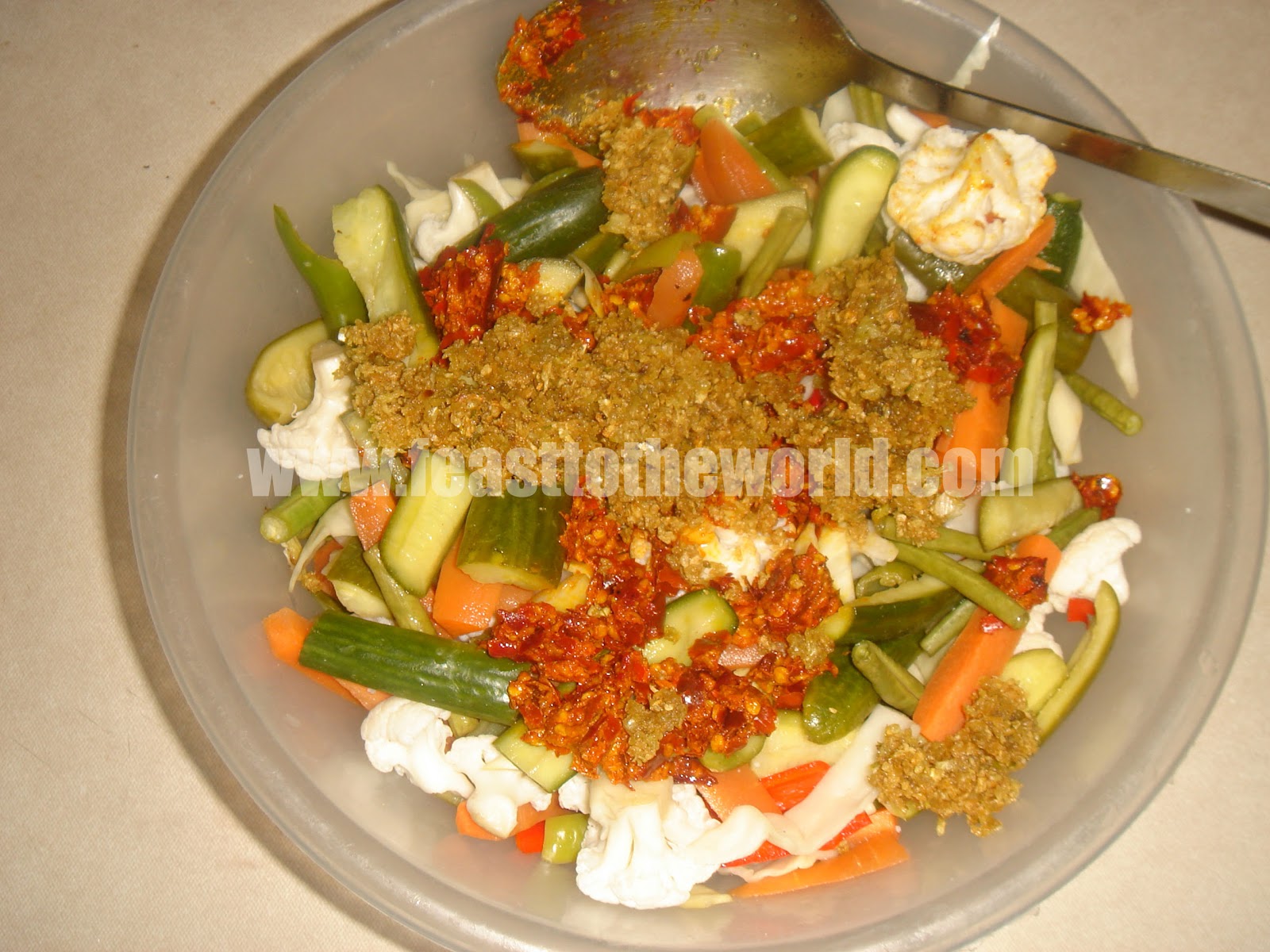
Pickles and pickled vegetables are a delicious way to add flavor, texture and nutrition to your meals. Not only do they have the ability to enhance the taste of any dish, but pickling also preserves fresh produce for longer periods without compromising on their nutritional value. Here’s everything you need to know about pickles.
What are Pickles?
Pickles are cucumbers or other vegetables that have been preserved in vinegar, saltwater brine or lacto-fermented. The process of making pickles involves soaking them in a solution that allows them to ferment over time, which gives them their distinct sour taste and crunchiness.
Types of Pickling
There are two primary types of pickling: vinegar-based and lacto-fermented. Vinegar-based pickling is when fruits or vegetables are submerged in a mixture of vinegar, water, sugar and salt while lacto-fermentation uses naturally occurring bacteria to break down the sugars in food creating lactic acid which results in tangy flavors.
Nutritional Benefits
Pickled veggies offer several health benefits as well. They contain live cultures that aid digestion by promoting healthy gut flora which can help prevent digestive issues like bloating, constipation or diarrhea. In addition, fermented foods also contain beneficial enzymes that enhance nutrient bioavailability.
However not all store-bought brands may be genuinely healthy as some often contain high sodium content due to added preservatives so it’s always best to check labels before purchasing.
Common Varieties of Pickled Vegetables
The most common types include cucumbers (dill pickle), carrots (carrot pickle), onions (pickled onion), red cabbage (sauerkraut) cauliflower (pickle cauliflower) among others Most varieties work great as a standalone snack or can be incorporated into salads sandwiches wraps tacos etc
How Long Do They Last?
Depending on how they’re made and stored you can keep your homemade pickles for up to a month in the refrigerator, while store-bought ones can last much longer. Proper storage is key in keeping your pickles fresh for a long time.
How to Make Homemade Pickles
Making pickles at home is easy and fun! For vinegar-based pickling, you’ll need vinegar, water, sugar, salt and any additional spices or seasonings of your choice. Combine all ingredients except the vegetables into a saucepan and bring them to a boil then pour over sliced or whole vegetables. Store them in jars with tight-fitting lids and refrigerate until ready to eat.
For lacto-fermented pickling, all you need are fruits or veggies like cucumbers, cabbage or even mangoes along with filtered water and sea salt. Mix everything together in a jar then let it sit at room temperature for 3-7 days before storing it away.
Ways to Incorporate Pickled Vegetables into Your Diet
Pickled vegetables are versatile when it comes to meal preparation ideas – they can be served as condiments/side dishes alongside main courses such as grilled meats fish chicken etc., You could also add them to sandwiches wraps burgers hotdogs pizzas tacos salads soups stews etc.
Healthy Alternatives
While traditional versions of some varieties may include excessive amounts of sugar sodium preservatives there are healthier alternatives available that often use organic ingredients natural sweeteners lower sodium content which provide great taste without compromising on healthiness
In conclusion, pickles are an excellent way to add flavor nutrition texture variety and color to meals They’re simple yet effective additions that offer numerous health benefits As such consider making homemade versions so you know exactly what goes into each jar Also make sure you check labels on store bought brands for unnecessary additives Lastly don’t limit yourself experiment with different varieties recipes ways of incorporating these tangy treats into your everyday diet

Leave a Reply