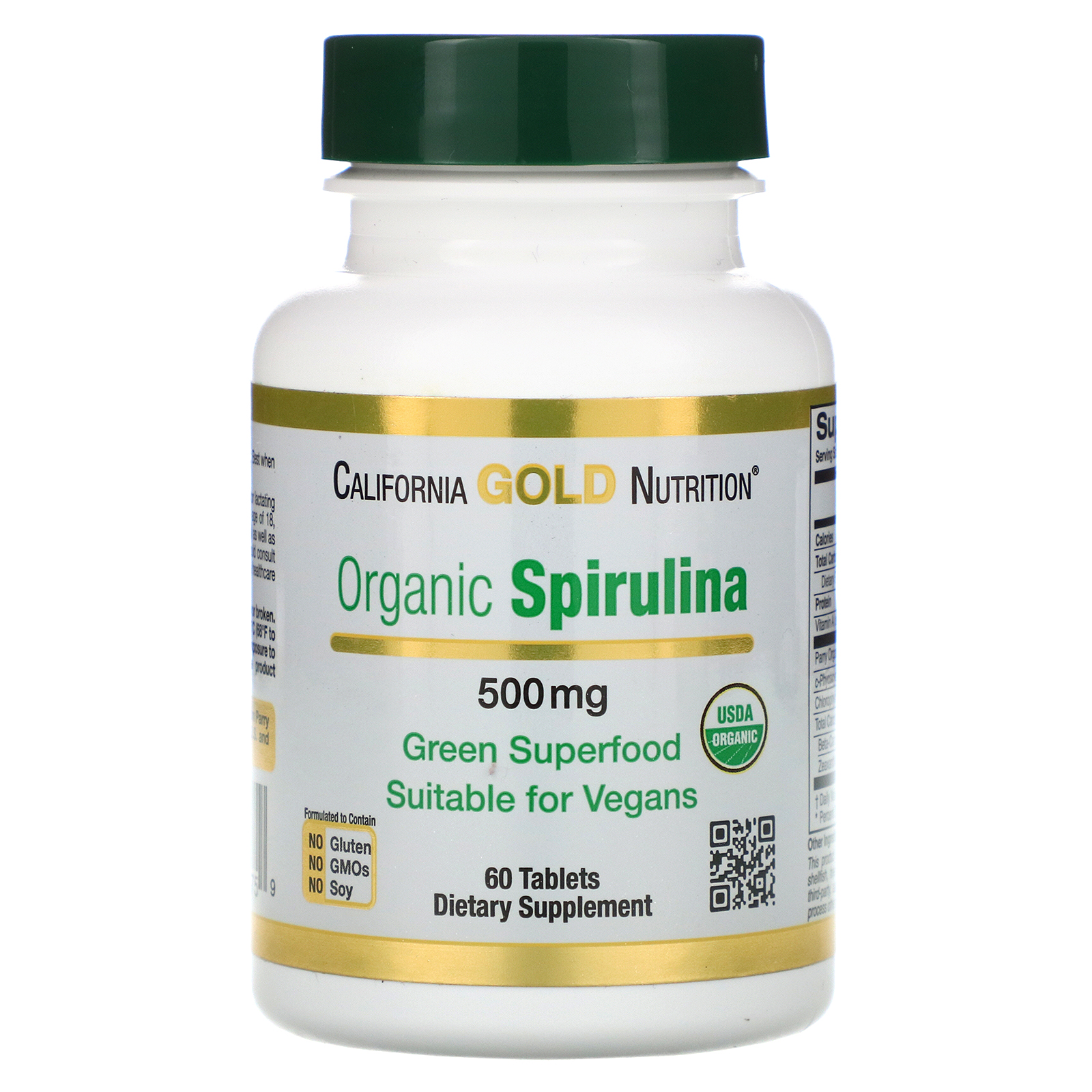
Spirulina supplements have been touted as the latest and greatest superfood, with claims of providing numerous health benefits such as boosting energy, improving digestion, and even aiding in weight loss. But is there any truth to these claims or are they just another fad?
Firstly, let’s talk about what spirulina actually is. Spirulina is a type of blue-green algae that grows in freshwater environments. It has been consumed for centuries by various cultures around the world due to its high nutritional value.
Spirulina contains a variety of vitamins and minerals including B vitamins, iron, magnesium, potassium, and calcium. It also has a high protein content – up to 70% in some cases – making it an attractive option for vegetarians and vegans looking to boost their protein intake.
However, while spirulina does contain beneficial nutrients, the research on its specific health benefits is limited. Many of the claims made about spirulina are based on anecdotal evidence rather than scientific studies.
One area where spirulina may have potential benefits is in reducing inflammation. Some studies have shown that consuming spirulina can help reduce markers of inflammation in the body which could be beneficial for those with conditions such as arthritis or asthma.
Additionally, some animal studies have found that spirulina may improve cholesterol levels and lower blood pressure. However, more research needs to be done before we can draw conclusions about how effective it may be for humans.
Another thing to consider when it comes to spirulina supplements is their safety. While generally considered safe for consumption at recommended doses (typically 1-3 grams per day), there have been reports of adverse effects such as nausea and stomach pain.
Furthermore, because spirulina grows naturally in water environments there is always a risk of contamination with harmful substances such as heavy metals or microcystins (toxins produced by certain types of algae). For this reason, it is important to purchase spirulina supplements from reputable sources that have undergone rigorous testing.
In conclusion, while spirulina supplements may provide some health benefits, the research is still limited and more studies need to be done. Additionally, it’s important to weigh the potential benefits against any possible risks or adverse effects. As with any supplement or dietary change, it’s always a good idea to consult with a healthcare professional before adding spirulina into your diet.

Leave a Reply