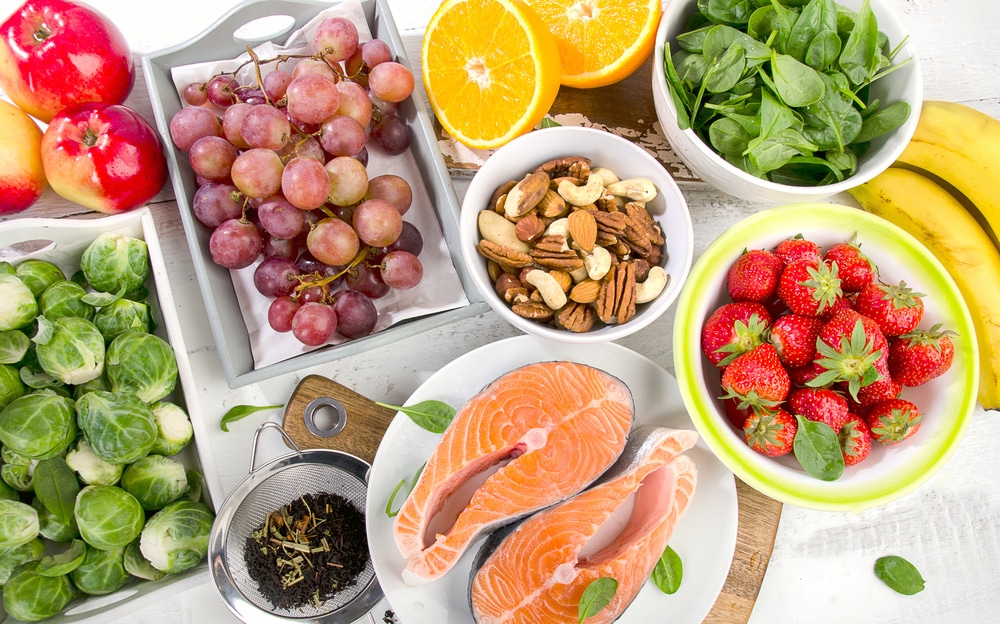
Antioxidants are molecules that can help protect our cells from damage caused by free radicals, which are unstable molecules in the body. Free radicals can cause oxidative stress and inflammation, which have been linked to a variety of health problems. Antioxidants neutralize free radicals by donating an electron, which stabilizes them and prevents them from causing harm.
In recent years, there has been growing interest in the potential health benefits of antioxidants. Many people believe that consuming foods rich in antioxidants may help prevent chronic diseases such as cancer, heart disease, and Alzheimer’s disease. While research on this topic is ongoing, some studies suggest that antioxidants may indeed play a role in protecting against these conditions.
There are many different types of antioxidants, each with its own unique properties and potential health benefits. Some common types include:
Vitamin C: This water-soluble vitamin is found in many fruits and vegetables. It acts as an antioxidant by donating electrons to free radicals.
Vitamin E: This fat-soluble vitamin is found in nuts, seeds, and vegetable oils. Like vitamin C, it acts as an antioxidant by donating electrons to free radicals.
Beta-carotene: This pigment gives certain fruits and vegetables their orange color. It can be converted into vitamin A in the body and also acts as an antioxidant.
Selenium: This mineral is found in meats, seafood, grains, and nuts. It plays a role in creating enzymes that act as antioxidants.
Flavonoids: These plant compounds are found in many fruits and vegetables as well as tea and red wine. They have anti-inflammatory properties along with antioxidant activity.
While all of these types of antioxidants are important for overall health, some may be particularly beneficial for specific conditions or populations.
For example:
Cancer prevention: Some studies suggest that high intake of beta-carotene (found mainly in carrots) may reduce the risk of lung cancer among smokers [1]. Similarly lycopene (found in tomatoes) intake is inversely associated with the risk of prostate cancer among men [2]. Curcumin, a compound found in turmeric, has been shown to suppress the growth of various types of cancer cells in laboratory studies [3].
Heart disease prevention: Antioxidants like vitamin E and flavonoids have been shown to reduce inflammation that contributes to heart disease. Studies suggest that increased consumption of fruits and vegetables may lower the risk of heart disease by up to 20% [4].
Eye health: Lutein and zeaxanthin are antioxidants found in leafy green vegetables such as spinach and kale. They accumulate in the eye and help protect against age-related macular degeneration.
Brain function: Some research suggests that flavonoids may improve cognitive function by increasing blood flow to the brain. In one study, elderly people who consumed high amounts of flavonoid-rich foods had better mental performance than those who consumed less [5].
It’s important to note that consuming large amounts of antioxidants through supplements is not necessarily beneficial or recommended as it can be toxic for some vitamins such as Vitamin A or E. Instead, it is recommended that we consume a balanced diet rich in a variety of plant-based foods including fruits, vegetables, nuts, seeds which will provide us with all necessary nutrients including antioxidant compounds.
While more research is needed on the potential health benefits of antioxidants, there is no doubt they play an important role in protecting our cells from damage caused by free radicals. By incorporating more antioxidant-rich foods into our diets we can help ensure optimal health for many years to come.

Leave a Reply