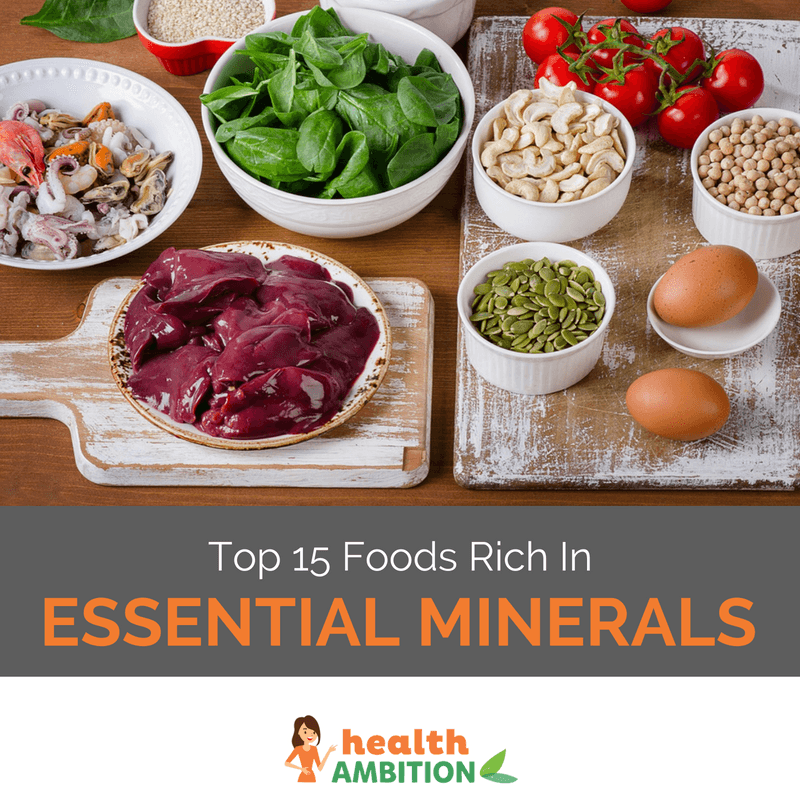
Minerals are essential nutrients that our body needs to function properly. They help in the formation of bones and teeth, regulate blood pressure, aid in muscle contraction and relaxation, and play a crucial role in maintaining overall health. Here is a list of the top 15 minerals you should include in your diet.
1. Calcium: Calcium is necessary for strong bones and teeth. It also helps regulate muscle contractions, including the heart muscles. Low calcium levels can lead to osteoporosis, so it’s important to consume foods rich in calcium such as dairy products, leafy greens like kale or spinach, soy milk fortified with calcium or fortified orange juice.
2. Iron: Iron plays a critical role in transporting oxygen throughout the body via red blood cells. Anemia results from insufficient intake of iron-rich foods such as red meat, poultry or fish; dark green vegetables like spinach or collard greens; beans; lentils; dried fruit (apricots); enriched breads or cereals.
3. Magnesium: Magnesium aids in energy production and supports nerve function by regulating neurotransmitters (chemical messengers). Foods high in magnesium include almonds, cashews, legumes (beans), whole grains like brown rice and quinoa as well as leafy green veggies like spinach.
4. Zinc: Zinc supports immune system function by helping white blood cells fight off infections while also aiding wound healing processes within the body itself – which means eating foods rich with zinc is key! Oysters are considered one of the best sources for this mineral but other options include beef liver , cheese , yogurt , nuts & seeds .
5. Potassium: Potassium helps regulate fluid balance within cells while also supporting normal heart rhythms during exercise . This vital mineral can be found naturally occurring within certain fruits/veggies like bananas , sweet potatoes , avocados & broccoli- making it easy enough to incorporate into any meal plan!
6. Sodium: Sodium is often associated with high blood pressure so it’s important to monitor intake levels. However, our bodies do need some sodium for proper muscle function and to help maintain correct fluid balance within cells . Foods such as canned soups, processed meats or chips typically contain added salt which should be avoided when possible.
7. Phosphorus: This mineral works in tandem with calcium to build strong bones & teeth while also helping regulate pH levels in our body’s fluids (which can impact overall health). Good sources include dairy products like milk or cheese , poultry & fish .
8. Selenium: Selenium acts as an antioxidant, protecting cells from damage caused by free radicals – this means it may even help prevent certain types of cancer! Brazil nuts are considered one of the best sources for selenium but other options include eggs , tuna fish or whole wheat bread.
9. Chromium: Chromium helps regulate insulin levels within the body while also aiding metabolism processes . Broccoli , grape juice & potatoes all contain good amounts of this essential mineral.
10. Iodine: Iodine is necessary for thyroid hormones which regulate metabolism within the body- without enough iodine we may feel sluggish or experience weight gain over time . Seafood like shrimp or cod along with fortified salt are both great ways to get more iodine into your diet!
11. Manganese: Manganese supports bone density and helps convert food into energy within our muscles . Pineapple , spinach & brown rice are just a few examples of foods containing manganese.
12. Copper: Copper aids in iron absorption and promotes healthy red blood cell formation while supporting immune system function at the same time . Nuts (like almonds), shellfish and beans all offer a decent amount of copper per serving
13. Fluoride : Fluoride is needed for strong teeth enamel which protects against cavities – tap water that has been treated with fluoride is generally safe source but certain brands of toothpaste may offer extra fluoride as well.
14. Chloride: Chloride helps balance electrolyte levels (like sodium & potassium) within our body’s fluids , and can be found in many whole foods like celery, olives or tomatoes.
15. Trace Minerals: These are minerals that the body needs in small amounts but still play a role in overall health & wellness . Such minerals include zinc, selenium, copper and manganese from earlier on this list along with others like cobalt (needed for red blood cell production) or molybdenum (helps break down amino acids).
In conclusion, incorporating these 15 essential minerals into your diet can help ensure optimal health and wellness over time- so start experimenting today!

Leave a Reply