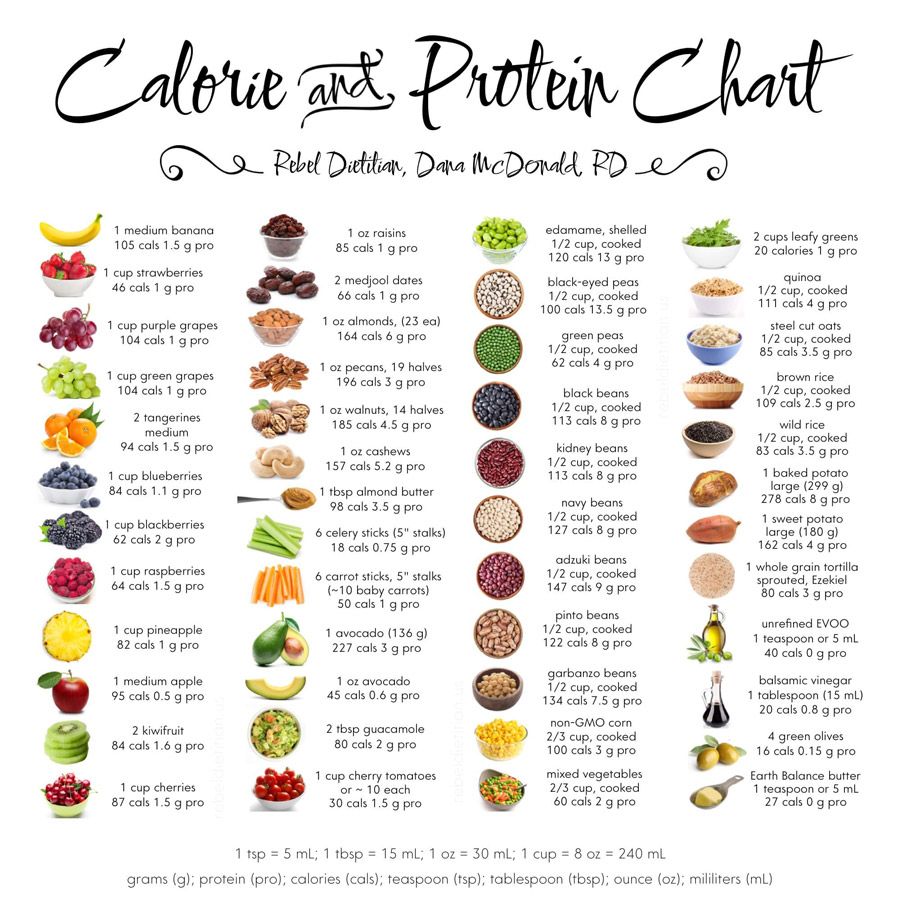
Calorie Counting: A Beginner’s Guide
Calorie counting is a popular method used for weight loss and healthy eating. It involves tracking the number of calories you consume in your diet to ensure that you are within your daily recommended intake. While it may seem daunting, calorie counting can be an effective tool to help you achieve your health goals.
Understanding Calories
A calorie is a unit of energy that our bodies use as fuel. The number of calories we need varies depending on our age, gender, height, weight, and activity level. On average, adult women need around 2000 calories per day while men require around 2500 calories per day.
It’s important to note that not all calories are created equal. Foods high in sugar or unhealthy fats contain more calories but provide little nutritional value compared to whole foods like fruits and vegetables.
How To Count Calories
To get started with calorie counting, begin by determining how many daily calories you need based on your age, gender, height, weight and activity level using a BMR calculator (Basal Metabolic Rate). You can find these online easily with search engines or download apps which will do this for you automatically such as MyFitnessPal or LoseIt!
Once you know how many calories you should aim for each day start tracking the food that you eat throughout the day. There are several ways to track your meals including writing them down in a journal or using an app designed specifically for tracking food intake.
When logging food into an app or journaling be sure to include portion sizes so that accurate measurements can be made. For example instead of just noting “chicken sandwich” write down “1 chicken breast with lettuce and tomato on whole wheat bread”.
Benefits Of Calorie Counting
One of the main benefits of calorie counting is its effectiveness at helping people lose weight when combined with regular exercise by creating caloric deficit where less energy is consumed than expended through physical exercise. By tracking your food intake, you become more aware of the types and amounts of foods you are consuming each day. This awareness can help you make healthier choices and reduce snacking which can result in weight loss.
Calorie counting also helps to keep people accountable on their health journey since they must be honest with themselves about how many calories they are truly consuming throughout the day. For some individuals, calorie counting can even lead to a better relationship with food by helping them develop an understanding of how their body responds to different foods.
Limitations Of Calorie Counting
While there are many benefits associated with calorie counting, there are limitations too. It’s important to note that not all calories affect the body in the same way so focusing solely on caloric intake may not necessarily mean healthy eating habits. For example, choosing high-calorie processed foods instead of whole nutrient-dense ones is not beneficial for one’s overall health.
Another limitation is that it may require extra effort initially to track meals accurately until it becomes a habit. Some individuals may struggle with obsessive behavior or disordered eating patterns when taking this approach and should seek guidance from healthcare professionals if necessary.
Takeaway
Calorie counting can be an effective way to achieve your health goals if done correctly by being mindful while selecting nutrient-dense whole foods rather than empty-calories processed snacks or drinks. By tracking your daily intake using apps such as MyFitnessPal or LoseIt! combined with physical activity, you’ll be able to see progress over time towards achieving a healthy lifestyle and maintaining sustainable results without compromising nutrients essential for good health!

Leave a Reply