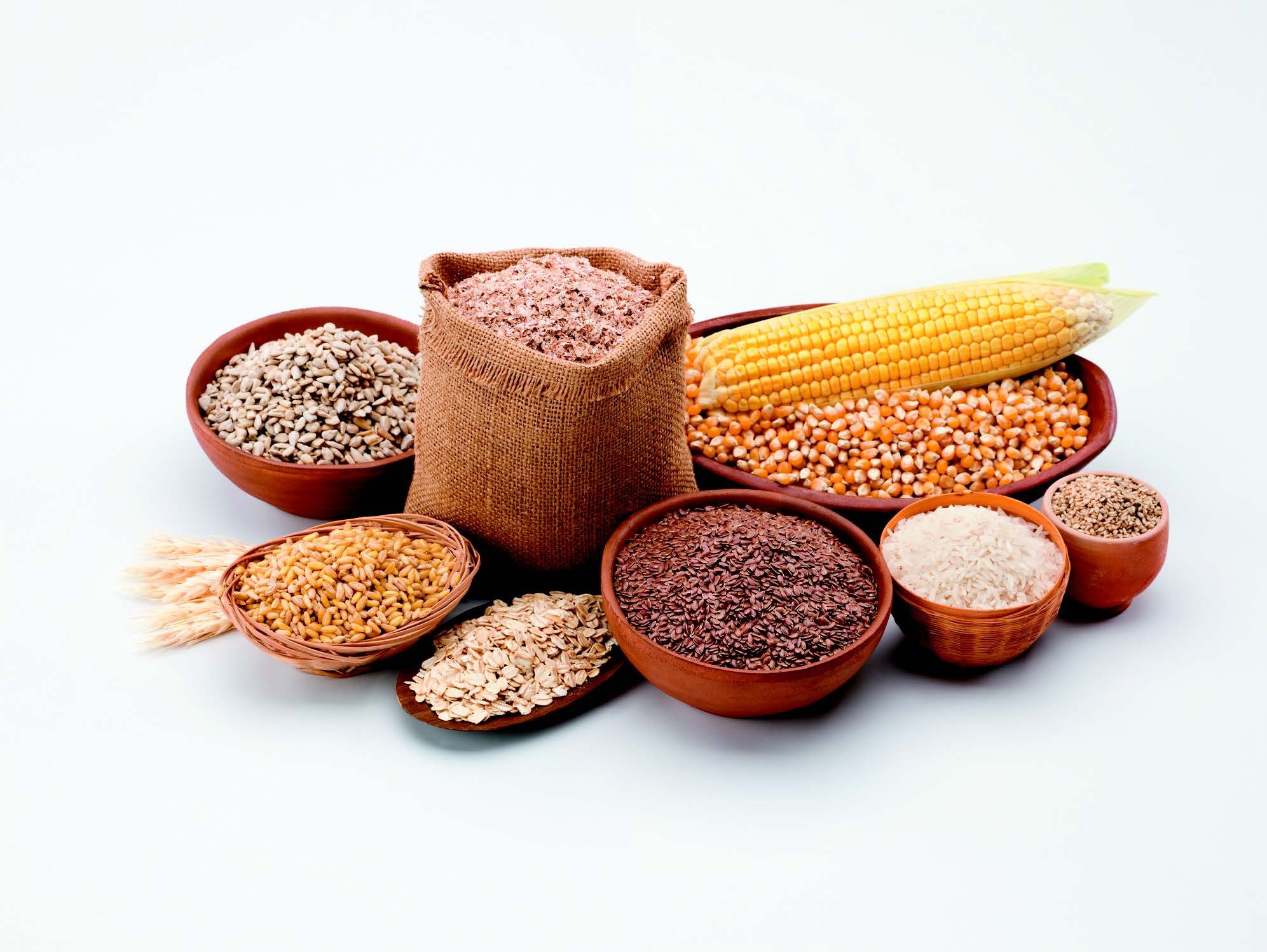
Whole Grains: The Secret Superfood that Will Make You Feel Like a Million Bucks
When it comes to healthy eating, there are certain foods that just seem to get more attention than others. Leafy greens, for example, have been touted as the ultimate superfood for years now. And while there’s no denying that kale and spinach are packed with nutrients, they’re not the only foods worth getting excited about.
Enter whole grains—the lesser-known but equally impressive member of the superfood family. If you’re not already incorporating them into your diet, here’s why you should be:
They keep you full and satisfied
One of the biggest benefits of whole grains is their high fiber content. Fiber is what helps keep us full and satisfied after a meal, which means we’re less likely to overeat or snack on junk food later in the day.
In fact, studies have shown that people who eat more whole grains tend to weigh less and have lower body mass indexes (BMIs) than those who don’t. So if weight loss or weight maintenance is one of your goals, adding some whole grains to your meals could be a smart move.
They protect against disease
Another major benefit of whole grains is their ability to protect against chronic diseases like heart disease, diabetes, and even some types of cancer.
This is partly due to their high fiber content (which can help regulate blood sugar levels), but also because they contain important vitamins and minerals like magnesium and selenium that play a role in maintaining overall health.
Some studies have even suggested that regularly consuming whole grains could help increase lifespan—though more research is needed before we can say for sure!
They come in many forms
When most people think of “whole grains,” they probably picture something like brown rice or quinoa. But actually, there are dozens—if not hundreds—of different types of whole grains out there waiting to be discovered!
Some less commonly known options include millet, amaranth, and farro. And even more familiar grains like oats and whole wheat come in many different forms (like steel-cut oats or sprouted wheat bread) that offer slightly different nutritional profiles.
So if you’re bored with your usual go-to grains, there’s no shortage of options out there to mix things up.
They can be delicious
One common misconception about healthy eating is that it has to be boring or tasteless. But the truth is, there are plenty of ways to make whole grains taste amazing!
For example, try swapping white rice for brown rice or quinoa in your favorite stir-fry recipe. Or experiment with different types of breads—like sourdough or rye—that use whole grain flours instead of refined ones.
And don’t forget that many whole grains can also be used in desserts! Farro pudding, anyone?
Of course, like any food group, there are some potential downsides to consider before going all-in on the whole grain train:
They can be pricey
Depending on where you live and what types of grains you’re buying, adding more whole grains to your diet could potentially increase your grocery bill.
This isn’t always the case—many bulk bins at health food stores offer affordable options—but it’s worth keeping in mind if you’re on a tight budget.
They may not work for everyone
Some people may find that consuming too many whole grains (or certain types of them) leads to digestive issues like bloating or discomfort. This is because some types of fiber can be difficult for our bodies to break down fully.
If this sounds like you, experimenting with different types of fibers (like soluble vs insoluble) might help pinpoint which ones work best for your body. And as always, it’s important to listen to your body’s signals and adjust accordingly.
So overall, should you add more whole grains into your diet? The answer is a resounding “yes” for most people. With their impressive nutritional profile and versatility in the kitchen, they’re a great way to up your healthy eating game—and feel like a million bucks while you’re at it.

Leave a Reply