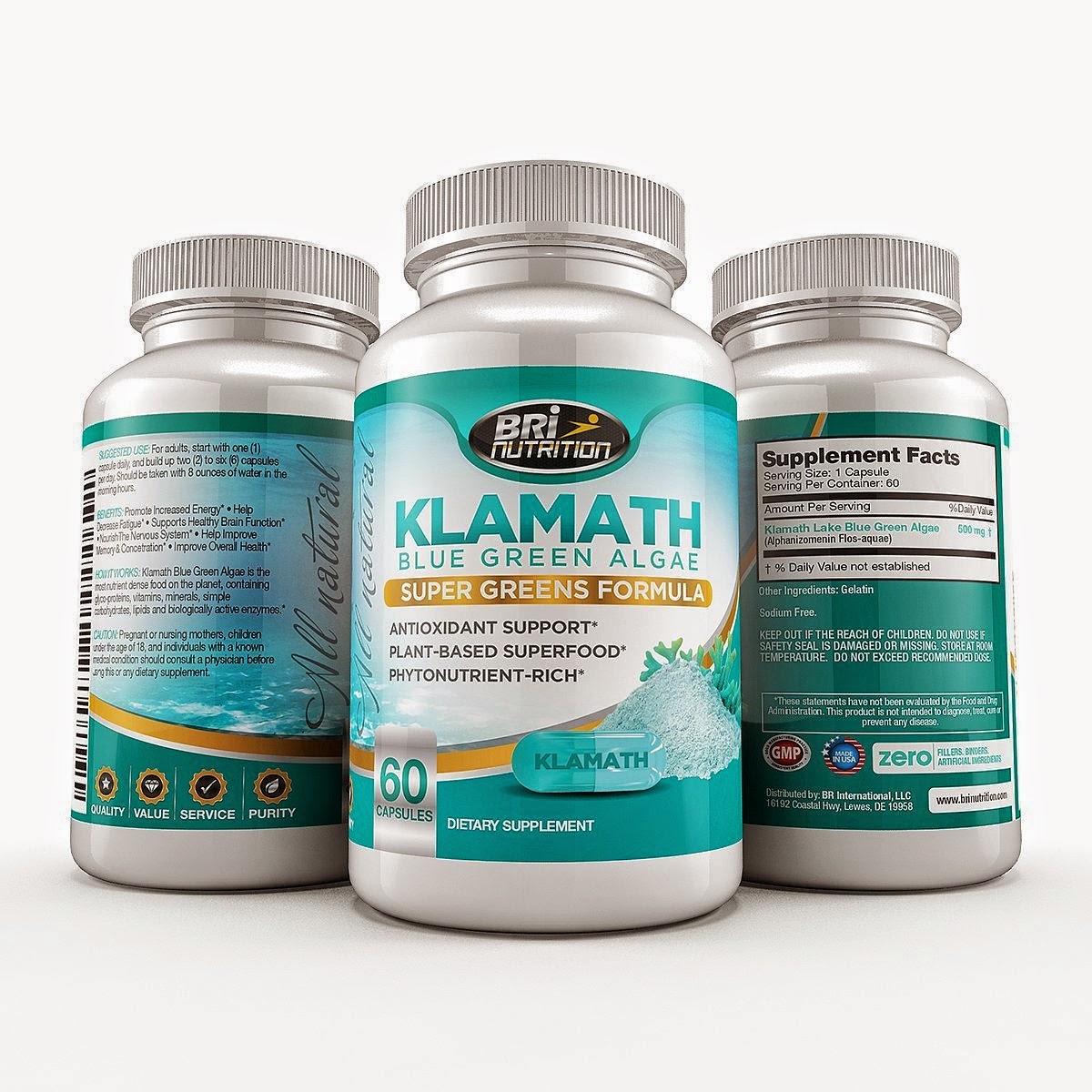
Blue-green algae supplements have been gaining popularity in recent years as a natural supplement that provides numerous health benefits. Also known as cyanobacteria, these microscopic organisms are found in freshwater and saltwater sources around the world.
In this article, we will explore what blue-green algae supplements are, their benefits and potential risks, how to choose the right product, and some tips for incorporating them into your diet.
What Are Blue-Green Algae Supplements?
Blue-green algae supplements come from two types of cyanobacteria: Aphanizomenon flos-aquae (AFA) and Spirulina. These species contain high levels of nutrients such as protein, vitamins, minerals, and antioxidants.
Spirulina is a filamentous blue-green algae that can be found in tropical lakes with high alkaline content. It has been used by ancient civilizations for hundreds of years as a food source due to its high nutritional value. In modern times it is grown commercially for use in dietary supplements.
AFA grows naturally in Klamath Lake situated at the south-central region of Oregon State. The natural ecosystem of the lake supports its growth without any human intervention or cultivation techniques like fertilization or pesticides.
Both AFA and Spirulina can be consumed in powder or tablet form either on their own or mixed with other foods or drinks.
Benefits of Blue-Green Algae Supplements
There are several potential health benefits associated with consuming blue-green algae supplements:
1. Rich Source Of Nutrients
Blue-green algae contain an impressive array of vitamins including B complex vitamins (B1,B2,B3), Vitamin E beta-carotene which converts into Vitamin A once inside our body; it also contains Iron & Copper important for maintaining healthy blood cells.
Additionally, they provide essential amino acids necessary for muscle repair after workouts along with omega-3 fatty acids which aid cognitive function & inflammation reduction within our bodies
2. Antioxidant Properties
Blue-green algae are high in antioxidants, which help protect the body against damage from free radicals. This can reduce the risk of chronic diseases such as cancer, heart disease and cognitive decline.
3. Improved Digestion
The probiotics found in blue-green algae supplements can improve digestion by supporting the healthy bacteria in our gut. This leads to better nutrient absorption and less bloating or digestive discomfort.
4. Boosts Immunity
Studies have shown that consuming blue-green algae supplements may boost immune system function due to its antioxidant properties and high concentration of vitamins & minerals like iron and copper that support healthy immune responses.
5. May Improve Exercise Performance
Some research suggests that consuming blue-green algae supplements may help improve exercise performance by reducing muscle damage caused by strenuous workouts.
Potential Risks Of Blue-Green Algae Supplements
While there are many potential benefits associated with consuming blue-green algae supplements, some risks exist:
1. Contamination Concerns
Because blue-green algae grow naturally in water sources around the world, there is a risk of contamination from toxins such as microcystins or heavy metals like mercury if they were grown in contaminated waters or harvested without proper testing protocols.
2. Allergic Reactions
In rare cases, individuals might experience allergic reactions after taking these supplements; symptoms vary but could include rash, itching sensation on skin surface etc., seek medical attention immediately if you experience any severe reaction after consumption.
3. Interference With Certain Medications
Individuals who take medications for blood thinning should avoid using this supplement because it contains Vitamin K which plays an essential role in clotting factors production within your bloodstream thus interfering with medications effectiveness.
How To Choose The Right Blue-Green Algae Supplement?
When choosing a blue-green supplement product to add to your diet routine consider these tips:
1. Look for Certifications: Ensure that products have been tested for purity and potency by third-party companies under Good Manufacturing Practices (GMP) guidelines.
2. Research The Brand: Look for well-known brands with positive customer reviews and transparent information on their website about the sourcing of their ingredients.
3. Check For Contaminants: Confirm that products have undergone rigorous testing to ensure they are free from harmful contaminants such as microcystins, heavy metals like mercury, or other toxins that could cause harm to your health.
4. Choose the Right Form: Decide whether you prefer powder or tablet forms based on your preference & convenience of use.
Tips For Incorporating Blue-Green Algae Supplements Into Your Diet
Once you have selected a blue-green algae supplement product, here are some tips on how to incorporate them into your diet:
1. Add it To Smoothies: Mix in 1-2 teaspoons of powder or tablets into smoothies for an added boost of nutrients.
2. Sprinkle It On Food: Sprinkle the powdered form over salads, soups or roasted vegetables for an extra nutritional punch!
3. Make Energy Balls: Combine dates, nuts/seeds along with a tablespoon of spirulina/AFA powder to create energy balls that can be consumed as snacks throughout the day!
4. Blend With Water Or Juice: Mix 1-2 tsp of blue-green algae supplements with water or juice for quick and easy consumption!
Conclusion
Blue-green algae supplements offer numerous health benefits that make them an excellent addition to any dietary routine but caution needs to be taken when selecting these products because contamination risk is always present if not tested properly.
The key takeaway is always purchase from reputable brands who provide transparency regarding its ingredient sourcing and processing methods while ensuring quality assurance through third-party certifications like GMP etc., so you get only high-quality products while being mindful about potential side effects before adding it onto your diet regime!

Leave a Reply