Juicing vs Blending Raw Foods: Which One is Better for You?
When it comes to incorporating raw fruits and vegetables into your diet, there are two popular methods: juicing and blending. Both techniques have their unique benefits, but which one is better for you? In this post, we will take a closer look at each method and compare them side by side.
Juicing
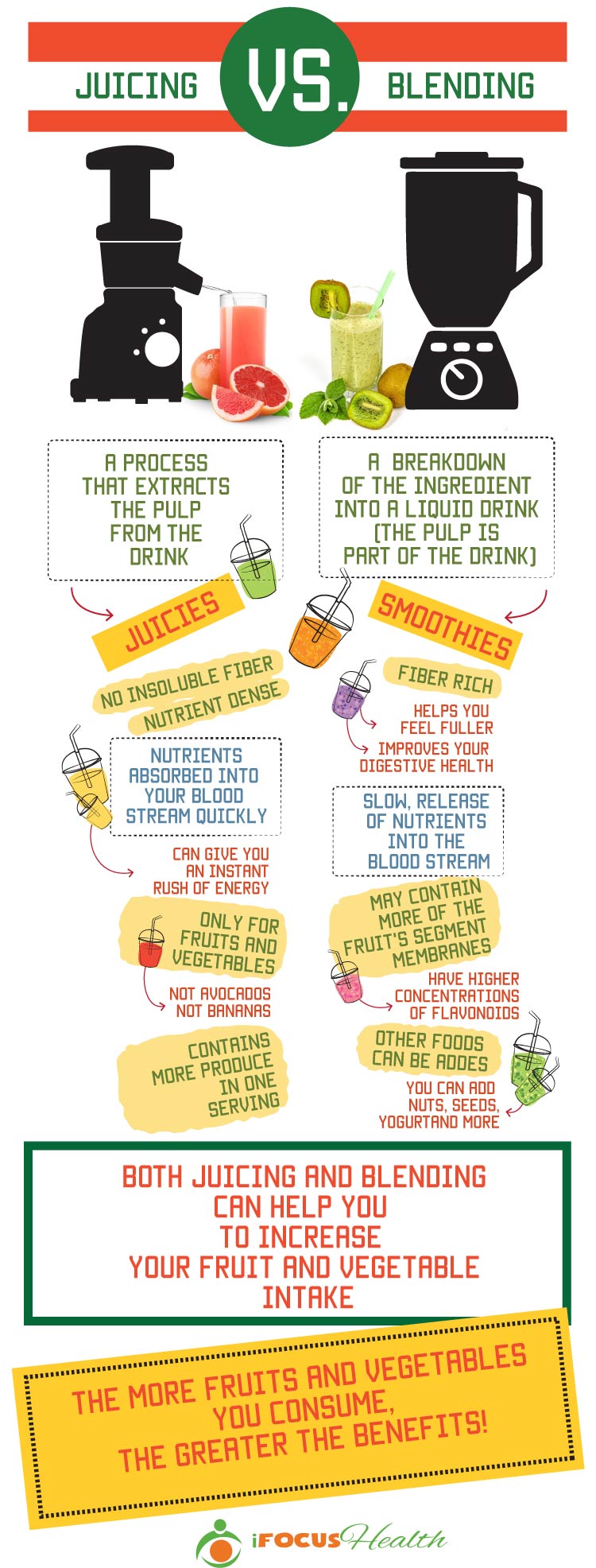
Juicing involves extracting the liquid from fresh fruits and vegetables while leaving behind the pulp. This process creates a concentrated dose of vitamins, minerals, and antioxidants that can be quickly absorbed by your body. The lack of fiber in juice means that your digestive system doesn’t have to work as hard to break down the nutrients.
One of the main advantages of juicing is that it allows you to consume a wide variety of produce in one sitting. For example, you can mix together kale, spinach, cucumber, celery, apple and ginger into one tasty concoction. Juicing also makes certain foods more palatable because many people find it easier to drink a green juice than eat an entire plate full of greens.
However, since juice lacks fiber it may not keep you feeling full for very long. Additionally, juicers can be expensive pieces of equipment to purchase if you do not already own one.
Blending
Blending raw fruits and vegetables results in a smoothie-like consistency with all parts intact including the pulp (fiber). Unlike juices that remove most or all fibers from produce during extraction process; blending breaks down fruits/vegetables’ cell walls so they still contain all-important soluble & insoluble dietary fibres necessary for digestion.
Fiber plays an essential role in our digestive health as well as keeping us feeling satiated after meals especially when consuming high-glycemic sweeteners such as dates or honey which could spike blood sugar levels otherwise but adding whole fruit helps slow absorption rate over time providing sustained energy release throughout day due its low glycemic index levels.
Another advantage of blending is that you can add other healthy ingredients like nuts, seeds, protein powder, or yogurt to make a complete meal replacement shake. This method also allows for greater control over the texture and consistency of your drink.
However, blending does require more time in comparison to juicing since you have to chop fruits/vegetables into small pieces before adding them to blender jar. Blenders are also less expensive than juicers but may not last as long with heavy usage over time and there is a possibility of producing thicker drinks if too much frozen fruit used leading to overheating motor in some cases.
In conclusion, choosing between juicing and blending comes down to personal preference and health goals. If you want a concentrated dose of nutrients without consuming large amounts of produce then Juicing might be better suited for you; while if satiety & slower digestion rates are priorities along with higher fiber intake then Blending could be best choice instead. It’s important however that regardless which method chosen; fresh organic produce should always be washed thoroughly before using in preparation process!

Leave a Reply