Introduction
Proper storage methods are paramount to maintaining the nutritional value of food. It also helps in reducing food waste and saves money. This guide will outline some practical tips on how to store different types of foods.
Dry Foods
Pantry staples such as flour, sugar, grains, and legumes should be kept in airtight containers that prevent moisture from entering. Exposure to moisture can cause these products to spoil or become infested with pests like weevils. The ideal temperature for storing dry foods is between 50-70°F (10-21°C). For maximum freshness, it’s recommended to use these items within six months.
Fresh Produce
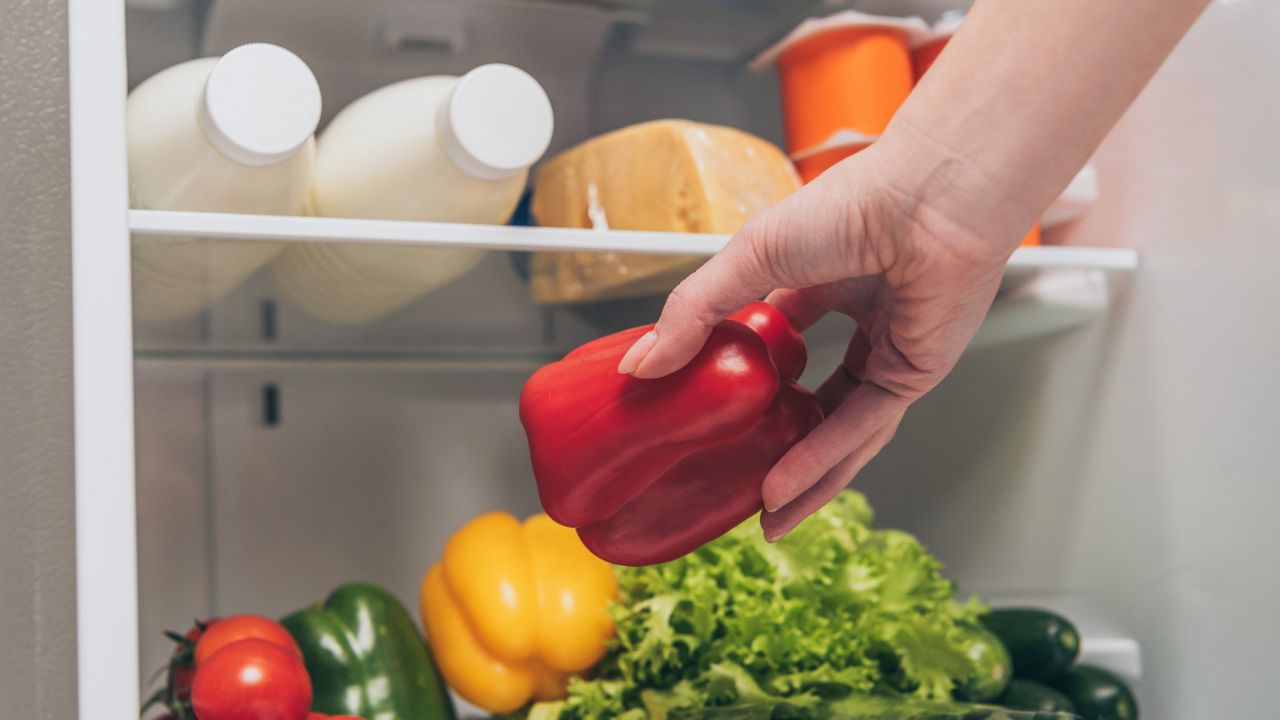
Fruits and vegetables should be stored separately as they emit different gases that can cause each other to ripen or spoil quickly. Soft fruits like berries and peaches should be eaten or frozen within two days of purchase while hardier produce like apples and carrots can last up to a week when stored in a cool place away from direct sunlight.
Leafy greens like lettuce, kale, spinach should not be washed until ready for use; otherwise, it will wilt quickly due to excess moisture. Wrap them loosely in paper towels then store in an open plastic bag with holes punched into it before placing them into the fridge’s crisper drawer.
Herbs
Fresh herbs like basil, parsley should be stored similarly similar way as leafy greens but wrapped with damp paper towels instead since they tend to wilt easily if they lose water content too fast.
Meat & Poultry
Meat and poultry products need extra care during storage because bacteria thrive at room temperature. Always keep raw meat separate from other foods due as they may contain harmful bacteria that could cross-contaminate other items in your fridge or freezer.
Raw meat can stay fresh for up three days when refrigerated at temperatures below 40°F (4°C). To avoid freezer burn and loss of flavor over time,follow these tips: wrap meat in freezer paper or plastic bags that are airtight, label and date them before storing in the freezer. Frozen meat can last up to 6 months.
Dairy Products
Milk, cheese, yoghurt should be stored at low temperatures below 40°F (4°C). When left out for too long, they tend to spoil quickly due to bacteria growth. To extend their lifespan, store them in their original packaging away from strong-smelling foods that could alter their taste.
Eggs
Eggs are best kept inside the fridge as it helps slow down bacterial growth. Store them in their original cartons instead of transferring them into egg holders. This will prevent moisture build-up and odors from other foods nearby from altering their flavors and texture.
Conclusion
Storing food properly is crucial for maintaining its nutritional value while also preventing waste and saving money.
These tips should help you keep your food fresh longer by following these proper storage techniques specific to each type of food item.
Make sure always check expiration dates on products before purchasing and avoid buying more than what you need to minimize waste.

Leave a Reply