Fermented Foods in a Vegan Diet: A Guide to Health and Flavor
Fermentation is an ancient technique that has been used for centuries to preserve food, enhance flavor, and promote health. Fermented foods contain beneficial bacteria known as probiotics that support gut health, boost the immune system, and improve digestion. In recent years, fermented foods have gained popularity among vegans due to their nutritional value and unique taste.
In this article, we’ll explore the world of fermented foods and their benefits for vegan diets. We’ll also share some tips on how to incorporate these delicious treats into your daily routine.
What are Fermented Foods?
Fermentation is a natural process in which microorganisms such as bacteria, yeasts or fungi break down carbohydrates in food into simpler compounds like lactic acid. This process creates a range of flavors and textures that make fermented foods unique. Examples of fermented plant-based foods include sauerkraut (fermented cabbage), kimchi (fermented vegetables with spices), tempeh (fermented soybeans), miso paste (made from soybeans)and kombucha tea (a sweetened tea drink made using yeast).
Benefits of Fermented Foods
Fermented foods offer various benefits both for general health and vegan diets specifically:
1. Improved Digestion
The probiotics found in fermented foods help maintain balance within the gut microbiome – important because they aid digestion by breaking down food more effectively while preventing bloating or constipation.
2. Boosted Immunity
Probiotics can enhance the body’s immune system by increasing white blood cells’ production- thus strengthening immunity against infections like common colds or flu.
3. Enhanced Nutrient Absorption
Some minerals are bound together in complex structures that our bodies cannot digest efficiently; fermentation breaks them down so they can be better absorbed by our digestive tracts.
4. Reduced Inflammation
Studies show consuming probiotic-rich foods can reduce inflammation in the body, which is linked to several diseases.
How to Incorporate Fermented Foods into a Vegan Diet
Adding fermented foods to your vegan diet is easy and fun. Here are some tips on how to get started:
1. Start Small
Begin by eating small amounts of fermented food and gradually increase your intake over time as your taste buds adjust.
2. Try Different Types
Experiment with a variety of fermented foods like kimchi, sauerkraut, miso paste or tempeh – each has its unique flavor profiles, textures and benefits.
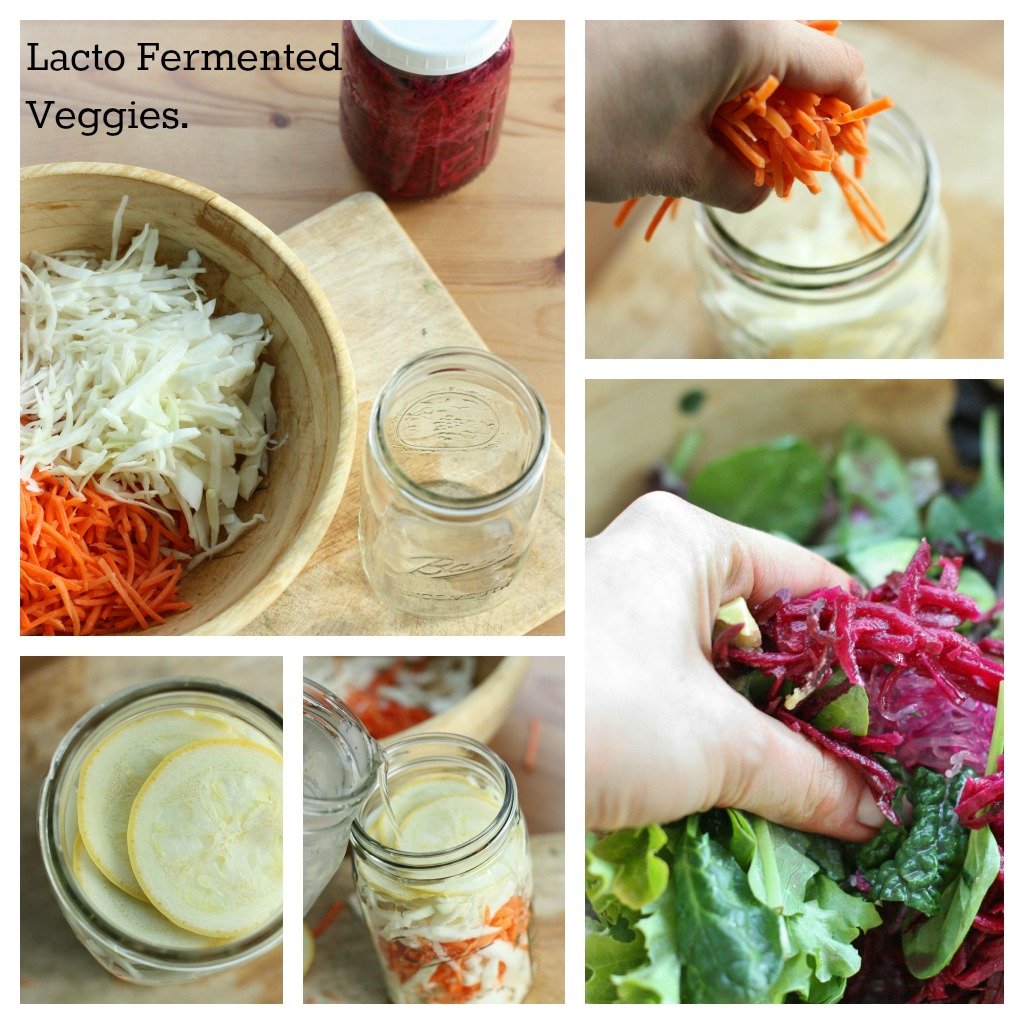
3. Make Your Own
Making your own fermented foods allows you to control what goes in them while giving you the satisfaction of creating something delicious from scratch.
4. Add Them To Recipes
Try adding miso paste or tempeh to soups or stews for an extra boost of flavor and nutrition; use sauerkraut instead of pickles on sandwiches; add kombucha tea in smoothies for added health benefits!
5. Snack On Them
Fermented vegetables make excellent snacks – try keeping some kimchi or sauerkraut in the fridge for when cravings hit!
Final Thoughts
Incorporating fermented foods into a vegan diet provides numerous benefits that support overall health and well-being whilst also adding exciting new flavors and textures to meals.
From simple recipes like sauerkraut to more complex ones like homemade kombucha tea – there’s always something new to try out! Start slow, experiment with various types of fermentation techniques until finding one that works best for you- then enjoy all the deliciousness these probiotic-packed treats have got offer!

Leave a Reply