Panel Discussion: How Eating Habits Can Help Lower Blood Pressure
High blood pressure, also known as hypertension, is a prevalent condition that affects millions of people worldwide. It occurs when the force of blood against the walls of arteries is consistently too high. Over time, this can lead to serious health problems such as heart attack, stroke, and kidney disease. However, there are ways to manage and even prevent hypertension through healthy eating habits.
In this panel discussion, we have gathered experts to share their insights on how certain foods can lower blood pressure.
Moderator: Thank you all for joining us today. Let’s start our discussion with Dr. Johnson. Could you explain how diet affects blood pressure?
Dr. Johnson: Of course! What we eat plays a crucial role in managing blood pressure levels because some foods contain substances that either raise or lower our blood pressure.
For instance, foods high in sodium (salt) can cause an increase in blood pressure by making our bodies retain more water than usual. On the other hand, consuming foods rich in potassium like fruits and vegetables can help reduce hypertension since potassium helps balance out the effects of sodium on your body.
Moderator: That’s interesting! Speaking of fruits and vegetables, I’d like to turn it over to Mrs. Lee who is a nutritionist specializing in plant-based diets. Mrs.Lee could you tell us which fruits and vegetables are particularly effective at lowering high blood pressure levels?
Mrs.Lee: Absolutely! Some top examples include:
1) Berries – Blueberries, raspberries strawberries are packed with anthocyanins which help improve artery function while reducing inflammation.
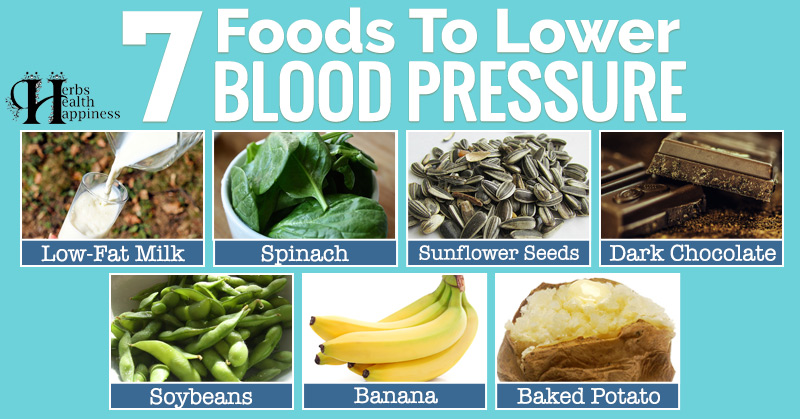
2) Leafy Greens – Spinach kale and other leafy greens provide nitrates which promote vasodilation (widening of the arteries), leading ultimately to lower BP levels.
3) Beets – Rich In Nitric Oxide precursors beets have been shown repeatedly by science studies to lower both systolic and diastolic blood pressure.
4) Bananas – Rich in potassium, bananas are a great way to add this essential nutrient to your diet. Additionally, they contain fiber which is also beneficial for controlling blood pressure.
Moderator: Fantastic! Thank you so much Mrs. Lee. Dr.Singh, can you please weigh in on how protein intake affects hypertension?
Dr.Singh: Yes, I’d be happy to help out! Studies have shown that consuming plant-based proteins like beans and lentils can potentially lower blood pressure levels compared to animal-based proteins like beef or pork.
While we don’t understand the exact reason behind this difference yet, one theory suggests that it may be due to the high fiber content in plant-based diets which has been linked with reduced hypertension rates.
Moderator: That’s an excellent point. Mr.Jones, as a chef specializing in healthy dishes how do you incorporate these foods into your recipes? Do you have any tips for our readers?
Mr.Jones: Absolutely! Incorporating fruits and vegetables into meals doesn’t need to be complicated or time-consuming. One easy tip is to make sure half of your plate consists of colorful produce such as stir-fried mixed vegetables served alongside some lean protein.
Additionally, swapping out processed ingredients for fresher options is key when preparing healthy meals at home. For example, using fresh herbs instead of pre-packaged seasoning blends adds flavor without unnecessary sodium intake.
Moderator: Great advice everyone thank you all so much for sharing your expertise today!
To sum up what we’ve learned today; incorporating certain foods such as leafy greens and berries while limiting sodium-rich options can aid in managing high blood pressure levels over time. Additionally adding more plant-based proteins such as beans or lentils could further assist those looking for ways to reduce their risk of developing hypertension through dietary interventions.
We hope that our discussion has helped shed some light on how eating habits can play a role in promoting heart health. Remember, small changes in your diet can lead to big improvements in your overall health!

Leave a Reply