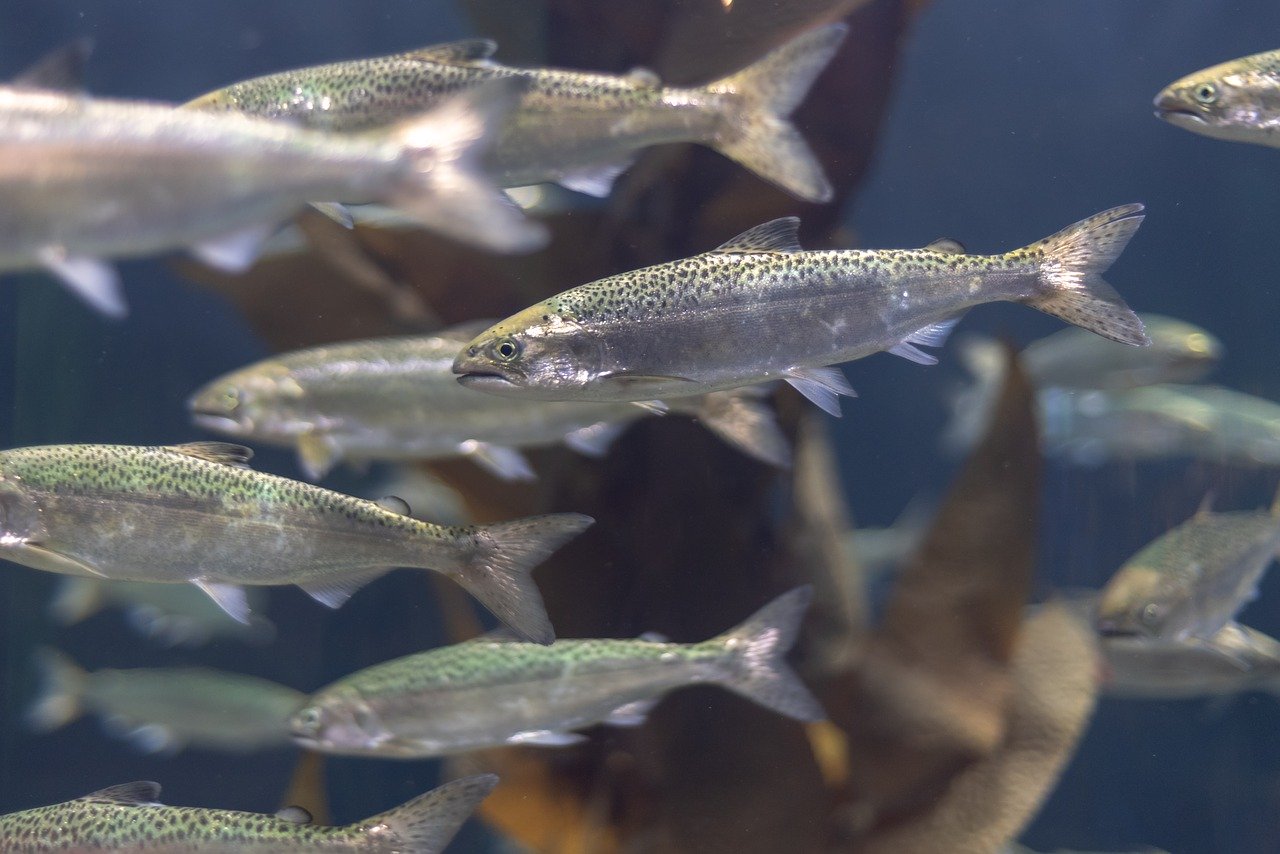
Wild-Caught Fish: A Healthier and More Sustainable Choice
Fish is an excellent source of protein, vitamins, minerals, and healthy fats. It’s also a versatile ingredient that can be prepared in various ways, from grilling to baking to sautéing. However, not all fish are created equal when it comes to health benefits and environmental impact.
One crucial factor to consider when choosing fish is whether it was caught wild or farmed. Wild-caught fish refers to fish that were harvested from their natural habitat, such as oceans, rivers, or lakes. Farmed fish means they were raised in a controlled environment like tanks or ponds.
In this post, we’ll focus on the benefits of wild-caught fish over farmed ones and why you should make them your go-to choice for healthier eating.
Wild-Caught Fish is Nutritious
Wild-caught fish has several nutritional advantages over farmed ones:
– Higher Omega-3 Fatty Acids: Omega-3 fatty acids are essential fats that our bodies need but cannot produce on their own. They help reduce inflammation, lower blood pressure levels, promote brain function and development, and prevent chronic diseases such as heart disease and diabetes. Wild-caught salmon contains up to 50% more omega-3s than farmed salmon due to their natural diet of plankton.
– Lower Levels of Contaminants: Wild-caught fish generally have fewer contaminants such as mercury compared to farmed ones because they consume a diverse range of foods in the wild rather than feed made with antibiotics or pesticides.
– More Vitamins and Minerals: Wild-caught seafood contains higher levels of vitamins D3 (an essential vitamin for bone health) than its farm-raised counterparts.
Wild-Caught Fish is Environmentally Friendly
Choosing wild-caught seafood also helps protect our planet’s ecosystems by supporting sustainable fishing practices:
– Preserves Biodiversity: When fishermen catch fish in the wild, they follow fishing quotas and regulations to prevent overfishing and protect endangered species. This ensures that marine biodiversity is preserved.
– Reduces Pollution: Wild-caught fish help reduce water pollution since they are not raised in crowded conditions like farmed ones, which require antibiotics and pesticides.
– Supports Local Economies: Small-scale fishermen who practice sustainable fishing methods rely on wild-caught seafood for their livelihoods. Supporting these local economies helps promote economic growth while protecting the environment.
How to Choose Wild-Caught Fish
Now that you know the benefits of eating wild-caught fish let’s discuss how to choose the right type:
– Look for Certified Labels: The Marine Stewardship Council (MSC) is an independent organization that certifies fisheries’ sustainability practices. Look for products with their blue label when shopping for seafood.
– Check Origin: Ensure that your seafood provider lists where each product originated from so you can be sure it was caught sustainably and legally.
– Research Fishing Methods: Some fishing methods such as long-line or trawl nets result in bycatch (the capture of non-targeted species), which can harm marine life. Opt for pole-and-line fishing or hand-gathering techniques instead.
Wild-Caught Fish Recipes
Here are some delicious recipes using various types of wild-caught fish:
1) Grilled Salmon with Lemon Butter Sauce:
Ingredients:
4 salmon fillets
Salt and pepper
2 tbsp olive oil
Lemon wedges
For the sauce:
¼ cup unsalted butter
3 tbsp fresh lemon juice
1 tsp honey mustard
½ tsp salt
Directions:
Season salmon fillets with salt, pepper, and olive oil. Preheat a grill pan over medium-high heat. Grill salmon fillets until cooked through, about 5 minutes per side.
Meanwhile, melt butter in a small saucepan over medium heat. Add lemon juice, honey mustard, and salt, and stir until combined. Pour the sauce over the salmon fillets and serve with lemon wedges.
2) Pan-Seared Scallops with Garlic Butter:
Ingredients:
1 lb sea scallops
Salt and pepper
2 tbsp unsalted butter
3 cloves garlic, minced
1 tbsp chopped parsley
Directions:
Pat scallops dry with a paper towel and season with salt and pepper. Heat a large skillet over medium-high heat. Add butter to the pan, followed by minced garlic.
Sear scallops in the pan for 2-3 minutes on each side or until golden brown. Remove from heat and sprinkle chopped parsley on top before serving.
Conclusion
Wild-caught fish is a healthier choice than farmed fish due to its higher nutritional value, lower levels of contaminants, and more sustainable fishing practices. Choosing wild-caught seafood supports local economies while preserving marine biodiversity for future generations. Incorporate these delicious recipes into your diet to enjoy all the benefits that wild-caught fish has to offer!

Leave a Reply