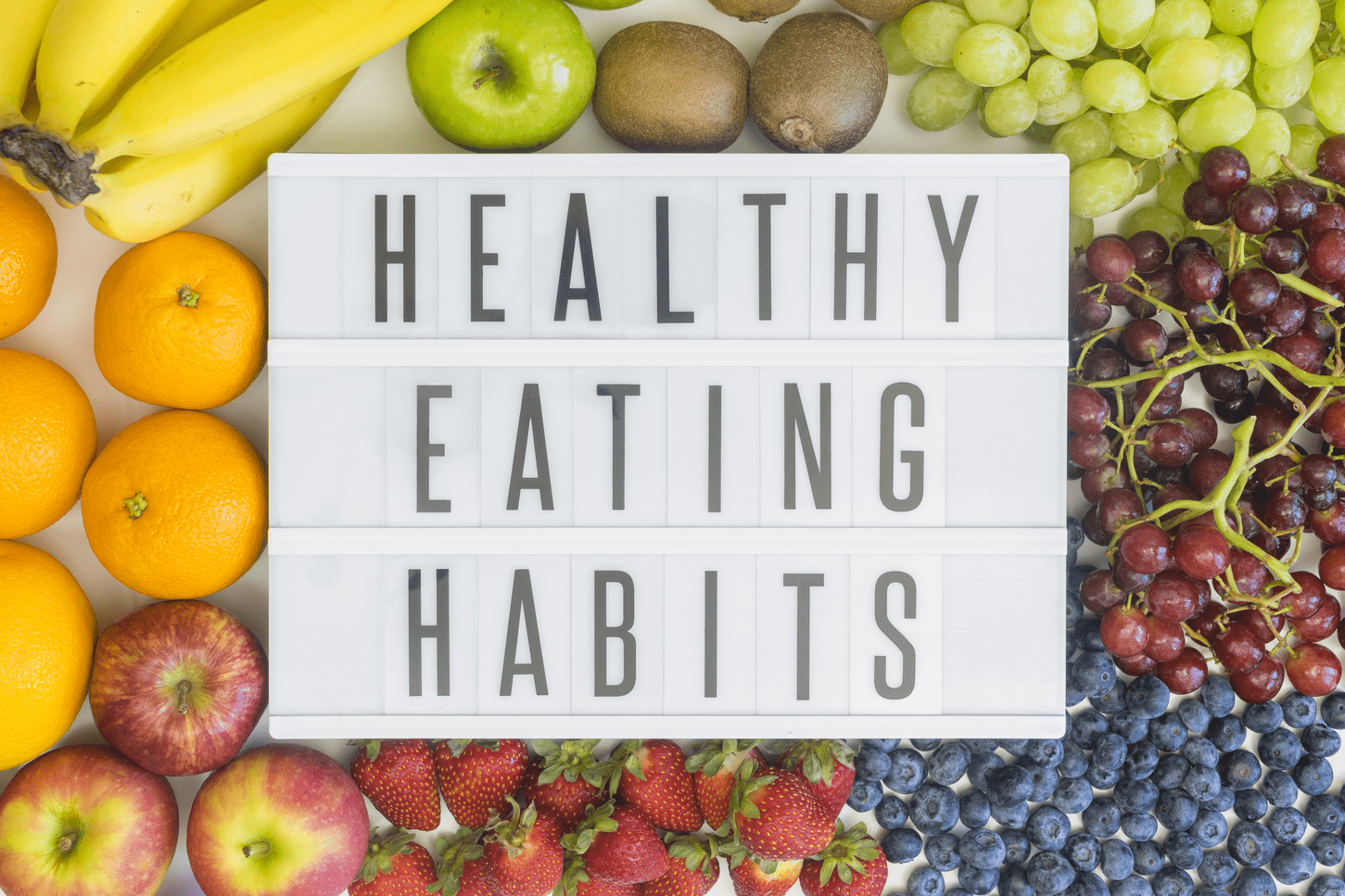
Cancer Prevention: The Role of Healthy Eating
Cancer is a leading cause of death worldwide, with millions of people diagnosed every year. While there are various forms and types of cancer, research has shown that up to 40% of all cancers can be prevented by making healthy lifestyle choices. Among these choices, healthy eating habits have been found to play a crucial role in reducing the risk of cancer.
Here are some practical tips for incorporating healthy eating habits into your daily routine:
1. Eat plenty of vegetables and fruits
Vegetables and fruits contain essential nutrients that help fight against cancer-causing agents in the body. They also contain antioxidants that protect cells from damage caused by free radicals. Aim for at least five servings per day, choosing a variety of colors for maximum benefit.
2. Choose whole grains over refined carbohydrates
Whole-grain foods such as brown rice, quinoa, whole-wheat bread/pasta provide more nutrients than their processed counterparts like white bread or pasta made from refined flour which lack fiber and other essential minerals.
3. Reduce red meat intake
Eating too much red meat such as beef or pork may increase the risk for certain types of cancer including colorectal cancer or prostate cancer; hence it’s important to limit its consumption while increasing plant-based protein sources like beans or legumes instead.
4. Avoid processed meats altogether
Processed meats such as sausage, hot dogs and bacon have been linked to increased risks for colon cancer due to chemicals used during processing which include nitrates/nitrites among others so avoiding them altogether would be beneficial.
5. Limit alcohol intake
Alcohol use has been associated with an increased risk for breast, liver, colorectal cancers among others; therefore limiting alcohol intake will reduce the risk significantly especially when it comes down to heavy drinking so sticking within moderation limits would be wise – one drink per day for women and two drinks per day for men.
6. Keep a healthy weight
Being overweight or obese increases the risk for several types of cancer including breast, prostate and colon cancer. Maintaining a healthy weight through regular exercise and balanced diet can help reduce the risk.
7. Avoid tobacco use
Smoking has been linked to many forms of cancer such as lung, bladder, pancreas cancers among others; hence avoiding tobacco products altogether is key to reducing your overall risk.
8. Add garlic to your meals
Garlic contains sulfur compounds that have been shown to have anti-cancer properties in various studies; it also helps boost immune function which is important for fighting off illnesses.
9. Use olive oil instead of other fats
Olive oil is rich in monounsaturated fatty acids which may lower the risks for some cancers like breast cancer according to research, so using it in place of butter or margarine can be beneficial.
10. Drink plenty of water
Drinking enough fluids daily keeps the body hydrated and helps flush toxins out that can cause damage at cellular levels leading up to mutations over time causing multiple health issues including but not limited to Cancer development.
In conclusion, eating a healthy diet is an essential part of preventing cancer as well as managing other health conditions effectively while increasing longevity with good quality life ahead free from chronic diseases caused by unhealthy lifestyle choices we make every day! By incorporating these practical tips into our routine we can take charge and live our best lives possible while minimizing our risks along the way – start small today by choosing one tip above & practice until it becomes a habit then move on adding another one overtime!

Leave a Reply