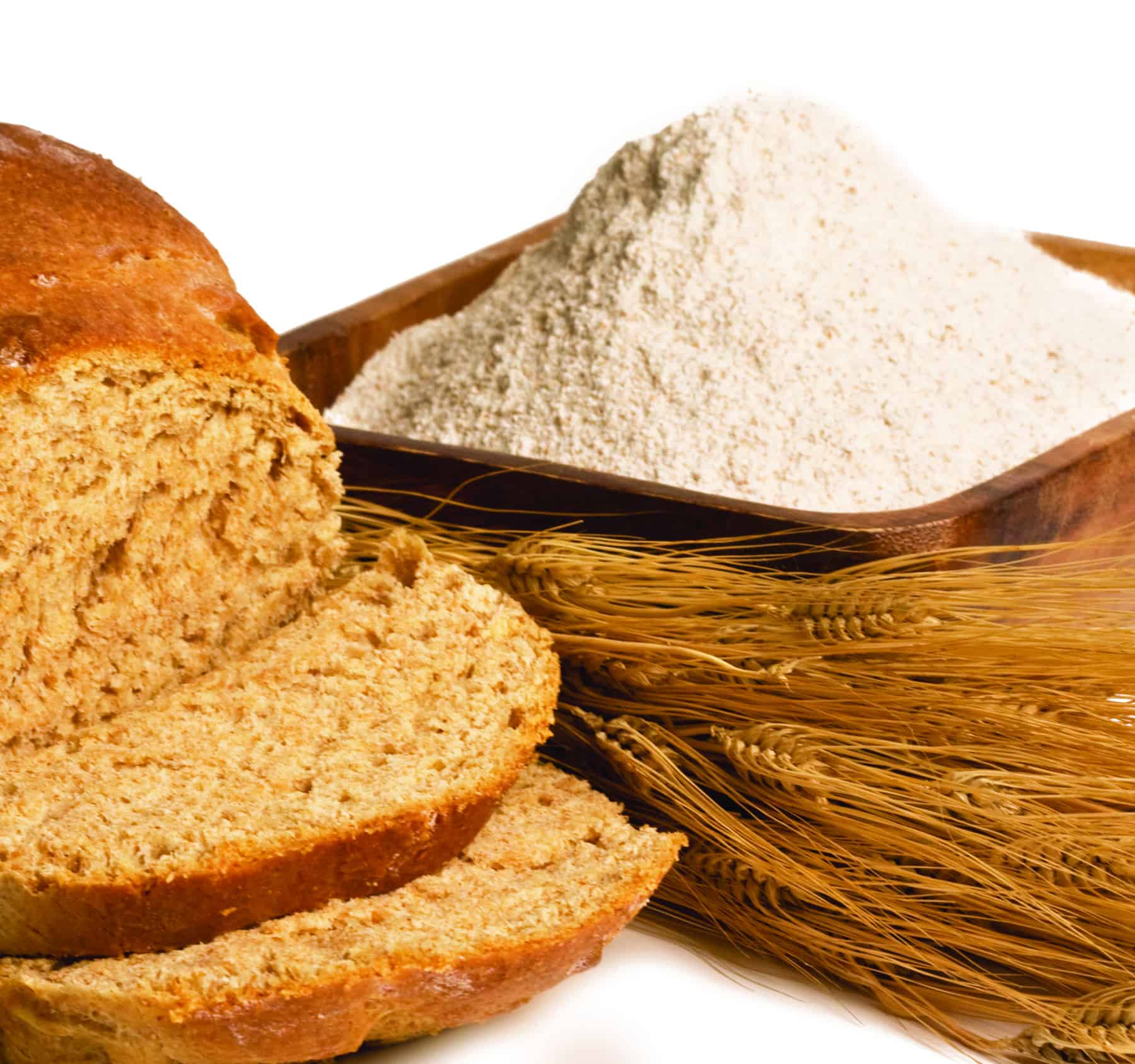
Whole wheat bread and pasta have become increasingly popular in recent years due to their potential health benefits. Whole wheat products are made from flour that contains the entire grain kernel, including the bran, germ, and endosperm. This differs from refined grains, which have had the bran and germ removed during processing.
One of the main benefits of consuming whole wheat products is their high fiber content. Fiber is an important nutrient that can help regulate digestion and promote feelings of fullness. In fact, whole wheat breads and pastas can contain up to three times more fiber than their white counterparts.
Additionally, whole wheat products may be a better choice for those with diabetes or at risk for diabetes. The high fiber content can slow down the absorption of glucose into the bloodstream, potentially preventing spikes in blood sugar levels.
Research has also shown that a diet rich in whole grains may reduce the risk of heart disease. One study found that individuals who consumed three servings per day of whole grain foods had a 20% lower risk of heart disease compared to those who consumed less than one serving per week.
However, it’s important to note that not all “whole grain” products are created equal. Some processed foods may contain only small amounts of actual whole grains while still being marketed as such. It’s important to read ingredient labels carefully and look for items where “whole grain” appears as one of the first ingredients.
When it comes to choosing between different types of bread or pasta, there are several options available beyond just plain old white vs. wheat. For example, sprouted grain breads use sprouted grains instead of traditional flour which some people find easier on digestion.
For those looking for gluten-free options but still want to incorporate more whole grains into their diet – quinoa pasta is a great alternative! Quinoa (pronounced KEEN-wah) is technically a seed but often considered a type of ancient grain because it’s been around for centuries. It has a high protein content and is also gluten-free, making it an excellent choice for those with celiac disease or gluten sensitivity.
When switching from refined grains to whole wheat products, it may take some time to adjust to the different taste and texture. However, many people find that they prefer the heartier flavor of whole wheat breads and pastas over their refined counterparts once they get used to them.
Another way to incorporate more whole grains into your diet is by mixing them with other ingredients in dishes such as salads or stir-fries. Adding quinoa or brown rice to a salad can increase its fiber content while adding texture and flavor.
Overall, whole wheat breads and pastas are great options for those looking to improve their overall health by incorporating more whole foods into their diets. With proper label reading and experimentation with various types of grain-based products – you might be surprised at how delicious these healthy options can be!

Leave a Reply