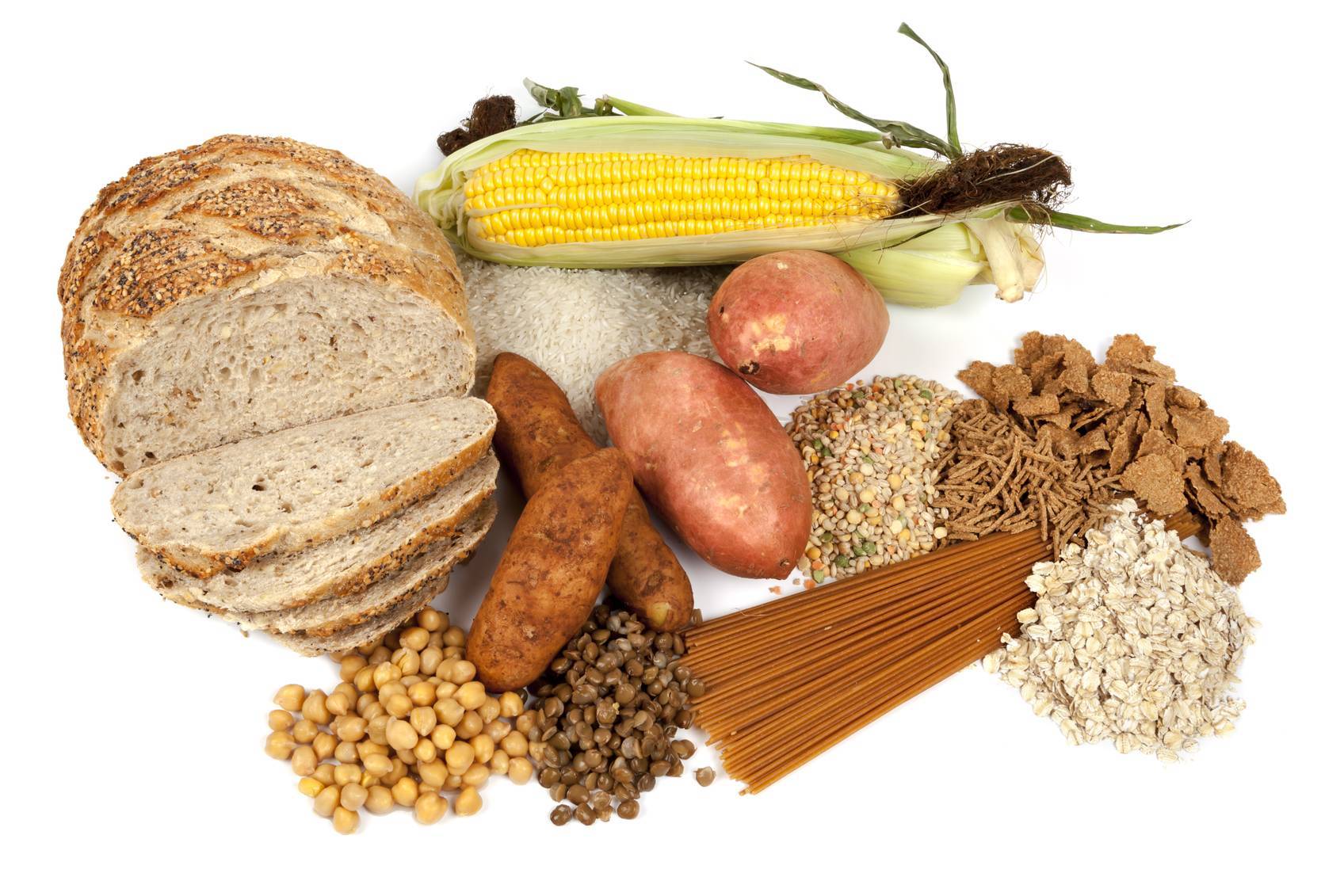
Resistant Starches: What They Are and How to Add Them to Your Diet
As the name suggests, resistant starches are a type of carbohydrate that resists digestion in the small intestine. Instead, they make their way to the large intestine where they provide nourishment for beneficial gut bacteria. This makes them an important part of a healthy diet.
There are four types of resistant starches, each with its own unique properties and benefits.
Type 1: Found in whole or partially milled grains, seeds, and legumes. Type 1 is resistant because it’s bound within a fibrous cell wall that can’t be broken down by digestive enzymes.
Type 2: Found in raw potatoes, green bananas, plantains and high amylose cornstarch. Type 2 is also physically inaccessible due to its tightly packed structure.
Type 3: Formed when certain starchy foods such as potatoes or rice are cooked then cooled (e.g., potato salad). The cooling process causes some of the starch molecules to re-form into crystalline structures which resist digestion.
Type 4: Chemically modified form created through industrial food processing techniques such as heating or treating with acids. This type is not recommended for consumption as it may have negative health effects.
Now that we know what resistant starches are let’s take a closer look at how we can add them into our daily diets!
Whole Grains – Foods like brown rice, barley, oats and quinoa all contain Type 1 Resistant Starch. Try swapping out your regular white rice for brown rice or using rolled oats instead of breadcrumbs in meatballs or burgers for added fiber and nutrition.
Legumes – Beans like black beans, navy beans and chickpeas all contain Type I Resistant Starch along with other important nutrients such as protein and iron. Hummus made from chickpeas makes an excellent snack paired with veggies while black bean soup warms you up and fills you up.
Cooked then cooled starches – Potatoes, rice, and pasta all contain Type 3 Resistant Starch. Try using leftover cooked potatoes to make potato salad or tossing cold cooked pasta with fresh veggies for a nutritious lunch or dinner option.
Green bananas – Unripe bananas are an excellent source of Type 2 Resistant Starch. You can add them to smoothies or slice them into thin rounds and bake in the oven for a crunchy snack.
High amylose cornstarch – This type of resistant starch is often used in processed foods but can also be incorporated into your diet by adding it to soups, stews, and sauces as a thickener.
Incorporating resistant starches into your daily diet has many benefits. They help promote healthy gut bacteria which can lead to better digestion, improved immune function and better overall health. Additionally, they may help regulate blood sugar levels making them an excellent choice for diabetics or those looking to manage their weight.
It’s important to note that if you’re new to adding resistant starches into your diet it’s best to start slow as too much too quickly can cause gastrointestinal upset such as bloating and gas. Start with small amounts and gradually increase over time while staying well-hydrated.
To conclude, adding resistant starches into your daily meals is simple! By swapping out regular grains for whole grains like brown rice or quinoa; incorporating legumes like black beans; cooking then cooling starchy foods like potatoes; snacking on unripe green bananas; and even using high amylose cornstarch as a thickening agent in dishes – there are plenty of ways you can incorporate this beneficial nutrient into your everyday routine!


Leave a Reply