As small farms and gardens become more popular, it’s important to consider the health of the soil. Composting can be a useful technique to maintain soil health and fertility while reducing waste. In this post, we’ll explore the benefits of composting and other soil management techniques.
Composting is a natural process that breaks down organic matter into nutrient-rich soil. It involves collecting yard waste, food scraps, paper products, and other organic materials in a compost bin or pile. Over time, microorganisms such as bacteria and fungi break down the material through aerobic or anaerobic decomposition.
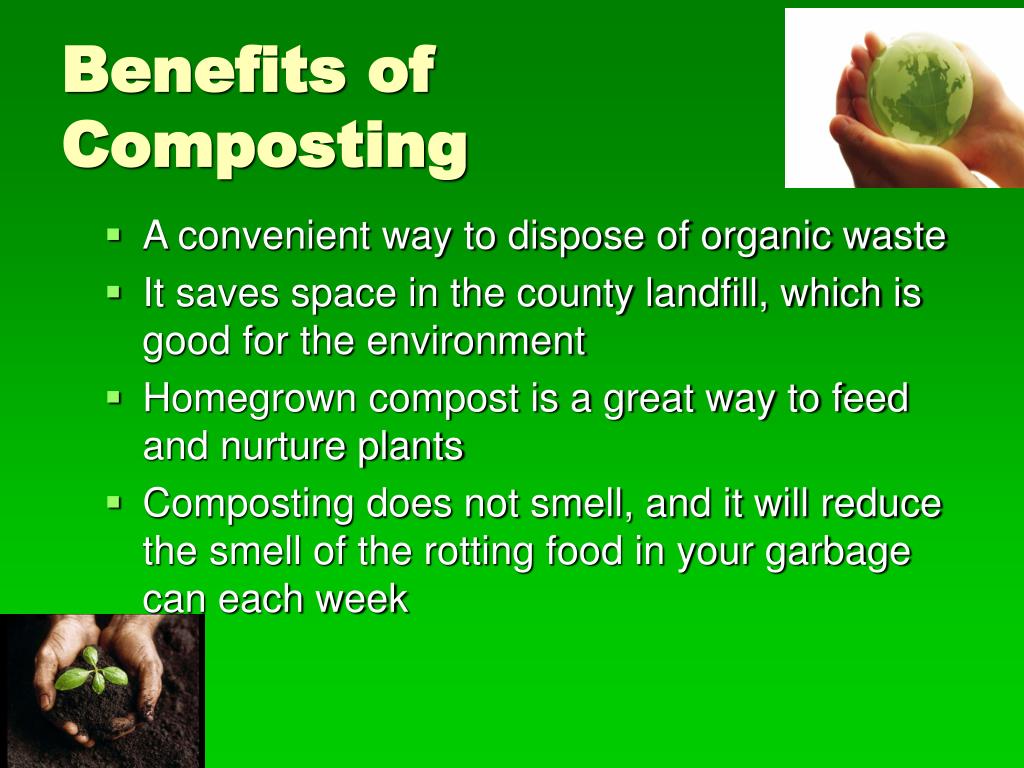
One of the main benefits of composting is that it enriches the soil with nutrients essential for plant growth. The resulting compost can be added to garden beds or used as topsoil for potted plants. Compost also helps improve soil structure by promoting good drainage and water retention.
Another advantage of composting is that it reduces waste sent to landfills. Organic waste makes up about 30% of landfill content in the United States alone (EPA). By diverting this material from landfills into compost piles, we can reduce greenhouse gas emissions while creating a sustainable source of fertilizer for gardens.
To start your own backyard compost pile or bin, you’ll need three basic ingredients: browns (carbon), greens (nitrogen), and water.
Browns include items like dead leaves, hay/straw bedding from livestock stalls/coops/pens/etc., wood chips/shavings/sawdust from untreated lumber/mill ends/hardware store scrap bins/etc., shredded newspaper/cardboard/office paper/mail-order catalogs/etc., aged manure/composted animal bedding/barnyard sweepings/fall leaves/twigs/stalks/corn cobs/husked nut shells/cotton gin trash/etc.
Greens are things like kitchen scraps such as fruit/vegetable peels/core/rinds/seeds/pits/stems/leaves, coffee grounds/tea bags, eggshells (crushed), grass clippings/weeds/hedge trimmings/fresh manure/etc.
Water is also important to keep the compost pile moist and active. A good rule of thumb is to aim for a moisture level similar to that of a wrung-out sponge.
Some people may be hesitant to start composting because they are worried about smells or pests. However, with proper maintenance, these concerns can be addressed. To prevent odor buildup, make sure you add enough brown material to balance out the greens and avoid adding meat/dairy/fats/oil/bones/pet waste/etc., which can attract vermin. You can also try layering your materials in a lasagna-like fashion: one part browns and three parts greens on top of each other until you fill up the bin/pile.
In addition to composting, there are other soil management techniques that small farmers and gardeners can utilize to maintain soil health:
-Cover cropping: planting crops such as clover or rye during off-seasons helps add nutrients back into the soil while reducing erosion.
-Rotating crops: switching up what’s planted in an area every season helps prevent nutrient depletion.
-Mulching: placing organic matter like straw or wood chips around plants helps retain moisture and suppress weeds while slowly decomposing over time.
-Using natural fertilizers like bone meal/blood meal/composted chicken manure/rock phosphate/kelp meal/greensand/sulfur/epsom salt/crushed eggshells/molasses/etc.
By implementing these techniques into our gardening practices, we can ensure healthier soils while reducing waste output. Additionally, healthy soils mean healthy produce which ultimately means healthy consumers!
In conclusion, composting is a valuable tool for maintaining soil health on small farms and gardens alike. By diverting organic waste from landfills and creating nutrient-rich fertilizer for plants, we can create a more sustainable and healthy ecosystem. Remember to include enough browns/greens/water in your compost pile, and explore other soil management techniques such as cover cropping and natural fertilizers. With these practices in place, we can continue to grow healthy food for ourselves and our communities.

Leave a Reply