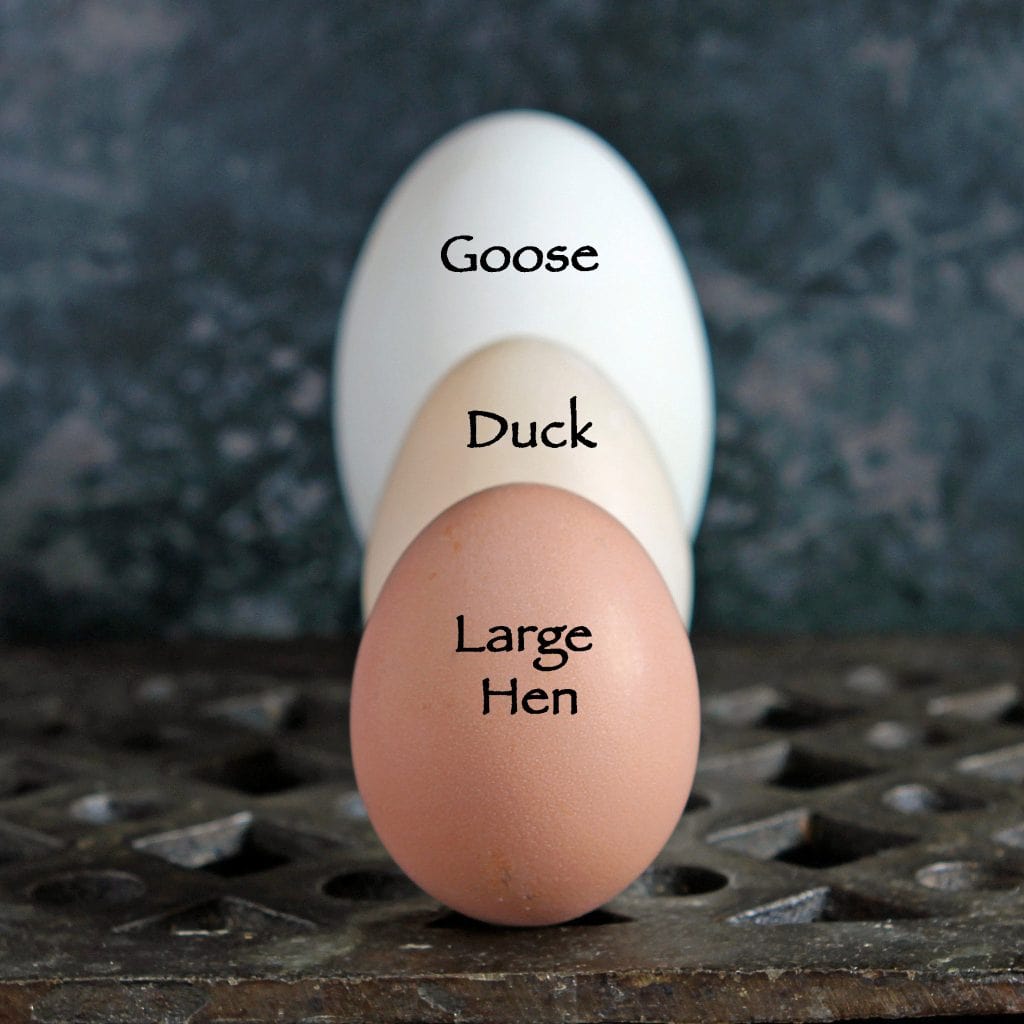
Egg Size and Weight Variation: What You Need to Know
Eggs are an excellent source of protein, vitamins, minerals, and other essential nutrients. They can be cooked in many ways and are a staple ingredient in countless recipes around the world. However, not all eggs are created equal when it comes to size and weight. In this post, we’ll explore the reasons behind egg variation and answer some common questions about different egg sizes.
What Determines Egg Size?
The size of an egg depends on several factors, including the breed of the hen that laid it, its age, diet, living conditions, and genetics. Generally speaking, larger breeds such as Rhode Island Reds or Leghorns tend to lay bigger eggs than smaller breeds like Bantams or Silkies. Older hens also produce larger eggs than younger ones because their reproductive systems have matured fully.
Diet plays a role in egg size too. Hens that consume more high-quality protein (such as from insects or meat) tend to lay bigger eggs than those fed lower-quality feed with less protein content.
Another factor that affects egg size is living conditions. Hens that have access to more space and better nesting boxes may feel less stressed overall which can lead them to produce larger eggs consistently.
Finally – genetics play a crucial role in determining the maximum potential size for any given chicken’s eggs – similar to how humans will vary in height based on their parents’ heights.
What Are Standard Egg Sizes?
In North America standard sizing for retail sales includes very specific sizes according to USDA regulations:
– Jumbo: Greater than 2.5 oz
– Extra Large: Between 2.25 oz – 2.5 oz
– Large: Between 1 .75 oz – 2 .25 oz
– Medium: Between 1 .5 oz – 1 .75 oz
– Small: Between under 1 .5oz
Note: Weight measurements are based on the weight of a single egg.
In the United Kingdom, sizing is similar but less specific:
– Very Large
– Large
– Medium
– Small
In Europe, there are seven different sizes that range from “very small” to “very large.”
Why Do Egg Sizes Matter?
The size of an egg can impact cooking times and nutritional content. When baking for example, recipe accuracy requires eggs be measured by weight rather than quantity. A recipe may call for two medium-sized eggs which could weigh between 3 oz – 4oz total when in reality they need 4 oz – 5 oz worth of liquid ingredients from those eggs.
Similarly, when boiling or frying an egg; cook time varies with size. Eggs below the recommended standard size will cook more quickly than their larger counterparts because they have less mass to heat through.
Nutritional value also changes slightly depending on size. On average, a large chicken egg has about 70 calories and contains six grams of protein along with other nutrients such as vitamin D and choline. Smaller sized eggs will contain fewer calories and slightly less protein due to having less overall mass per serving.
Are Certain Sized Eggs Better Than Others?
Egg quality is not necessarily determined by its size alone; however, certain recipes may require a specific type (such as jumbo) for optimal results while others don’t really matter at all.
Jumbo-sized eggs might make sense if you’re making a dish like quiche that calls for multiple eggs since they would likely create enough volume without requiring additional add-ins such as cream or milk – this could lead to denser texture once cooked through.
Medium-size eggs work well in most recipes where one-two whole egg servings are required such as scrambled or fried dishes.
Large-sized eggs tend to be the most commonly used in home kitchens simply because it’s what consumers see most often at grocery stores – so recipe authors typically account for this in their recipe development.
Smaller eggs can be used in any recipe that calls for eggs, however, they may require an additional egg to reach the desired serving size or impact overall flavor due to a higher yolk-to-white ratio compared to larger-sized eggs.
How Can You Tell the Size of an Egg?
One way to estimate the size of an egg is by its weight. A large egg weighs approximately 50 grams (1.76 oz). To determine if an unmarked egg is smaller or larger than average, you can place it in a bowl of water and see how much it floats. Freshly laid eggs will sink completely but as time passes air particles will begin seeping through microscopic pores on the shell which increases buoyancy and therefore float level within water.
What About Specialty Eggs?
Specialty eggs are those that come from hens fed specific diets intended to enhance certain nutritional values such as omega-3 fatty acids or lutein levels – these types of eggs have been marketed heavily over recent years but still only make up a small percentage of total sales despite being more expensive per dozen.
Another specialty option includes free-range or pastured raised chickens – which often produce slightly smaller sized eggs consistently over time because they have access to more space and exercise frequently throughout their day leading them towards less caloric intake on average than commercial factory farmed birds who may live indoors with limited movement inside cramped cages.
In conclusion, understanding what determines egg sizes and how different sizes can affect recipes is useful information when cooking with homegrown or store-bought chicken’s eggs. While there isn’t necessarily “one size fits all” approach; depending on your needs, preferences, and budget, each type has its benefits worth considering before committing long term.

Leave a Reply