Allergy Prevention and Treatment: A Comprehensive Guide
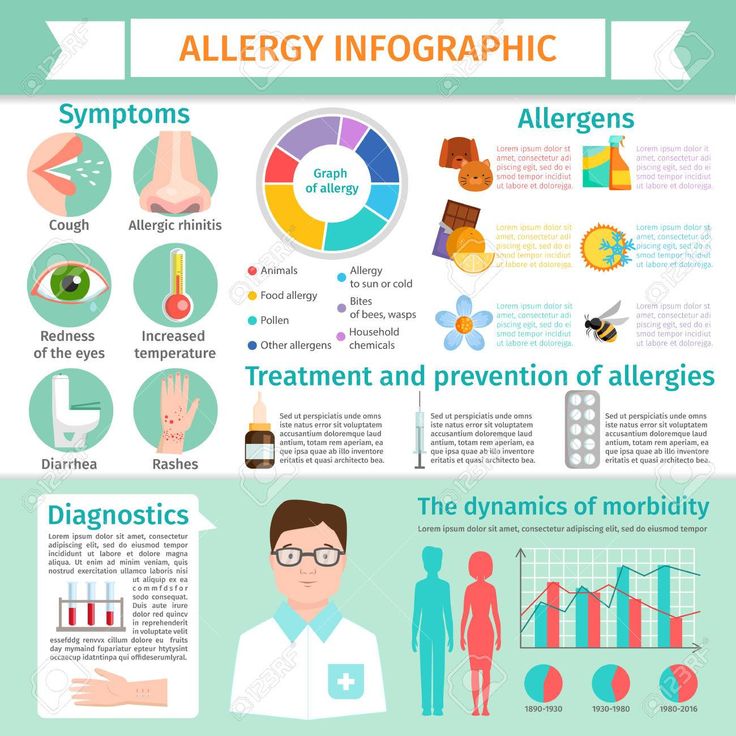
Allergies can be a real pain, both figuratively and literally. They occur when the immune system overreacts to normally harmless substances like pollen, pet dander or food. Allergic reactions range from mild to severe – some can even be life-threatening. Luckily, there are many ways to prevent and manage allergies.
Preventing Allergies
1. Keep your home clean
Dust mites and other allergens thrive in dirty environments. Regular cleaning of floors, carpets, bedding, curtains and furniture will help keep them at bay.
2. Avoid triggers
If you know what causes your allergy symptoms then it’s best to avoid those triggers as much as possible. For example, if you’re allergic to pollen then stay indoors during high pollen counts or wear a mask outside.
3. Control humidity levels
If the air in your home is too humid this can encourage mold growth which is a common trigger for allergies.
4. Use air filters
HEPA (High-Efficiency Particulate Air) filters are designed to capture small particles like dust mites and pollen that regular filters miss.
5. Wash hands regularly
Washing your hands frequently reduces the chances of transferring allergens onto surfaces where others may come into contact with them.
Treating Allergies
1. Antihistamines
Antihistamines work by blocking histamine – a chemical produced by the body during an allergic reaction – from binding to receptors in cells thus preventing or reducing allergy symptoms such as sneezing, itching or runny nose.
2. Decongestants
Decongestants relieve nasal congestion by narrowing blood vessels in the nasal passages which helps reduce swelling thus relieving stuffy nose caused by allergies.
3. Nasal corticosteroids
Nasal corticosteroids work by reducing inflammation in the nasal passages thus helping relieve allergy symptoms such as itchy and runny nose.
4. Immunotherapy
Immunotherapy involves exposing the body to small amounts of allergens over a long period of time thus desensitizing the immune system to those allergens. This is done through allergy shots or sublingual immunotherapy tablets.
5. Allergy eye drops
Allergy eye drops help relieve itchy, red and watery eyes caused by allergies.
Natural Remedies
1. Honey
Honey has anti-inflammatory properties which can help reduce allergy symptoms when taken regularly in small doses.
2. Probiotics
Probiotics are beneficial bacteria that live in our gut and help support the immune system. Studies have shown that taking probiotics may help reduce allergy symptoms especially for those with seasonal allergies.
3. Quercetin
Quercetin is a natural compound found in many fruits, vegetables, and herbs that has antioxidant properties and can help prevent inflammation caused by allergies.
4. Vitamin C
Vitamin C is an antioxidant that helps boost the immune system thereby reducing allergic reactions.
Conclusion
Allergies can be frustrating but there are many ways to manage them effectively using both conventional medicine and natural remedies like honey, probiotics, quercetin, and vitamin C supplements. With proper prevention measures such as keeping your home clean, avoiding triggers or using air filters you can also minimize your risks of developing allergies in the first place. If you experience severe or persistent symptoms despite trying these measures then talk to your healthcare provider who can recommend further treatment options including prescription medication or immunotherapy shots tailored specifically for your individual needs.

Leave a Reply