Fish as a Source of Protein: Why it’s Important for Healthy Eating
Protein is an essential nutrient that our bodies need to function properly. It helps build and repair tissues, makes enzymes and hormones, and forms the building blocks of bones, muscles, cartilage, skin, and blood. While there are many sources of protein available in our diet such as meat, dairy products, nuts, seeds or legumes; fish is one of the best sources for obtaining high-quality proteins that also come with additional health benefits.
Fish is a lean source of protein which means it contains less fat compared to other animal-based proteins like beef or pork. The amount of fat in fish can vary depending on the type but in general; it’s lower than most meats making it an ideal choice for those looking to lose weight or maintain a healthy weight. Additionally, fish is rich in omega-3 fatty acids which have been shown to promote heart health by lowering bad cholesterol levels (LDL) while raising good cholesterol levels (HDL).
When it comes to selecting fish as a source of protein there are several factors you should consider including its sustainability status and mercury content. Some species like salmon or trout are known for their low mercury content whereas others such as swordfish can contain high amounts that may be harmful if consumed frequently over long periods.
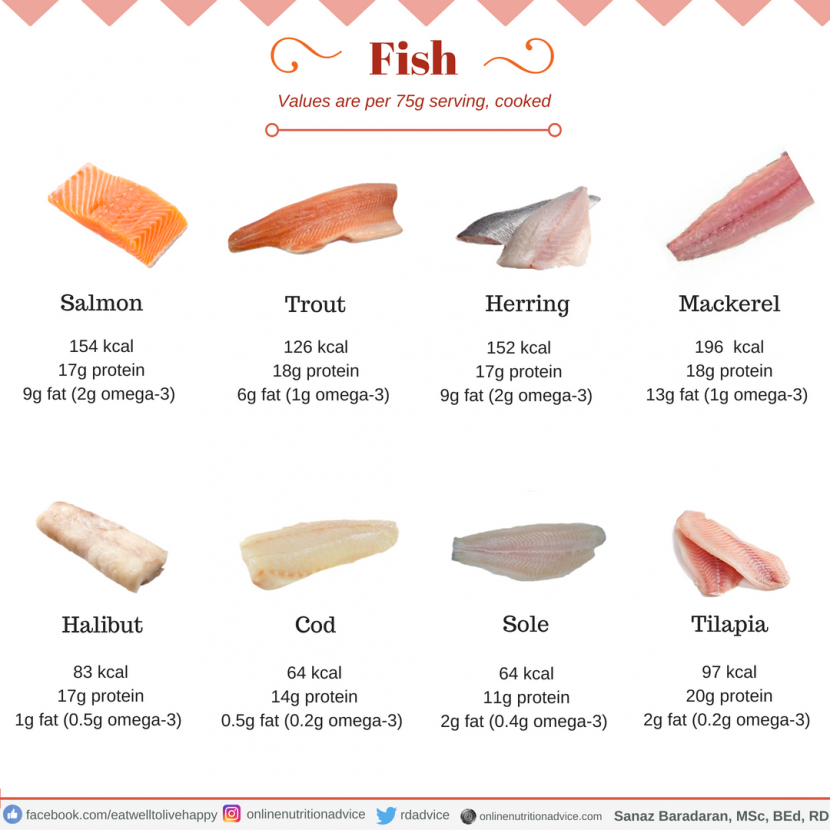
Here are some examples of popular types of fish along with their nutritional contents:
Salmon: This fatty fish is loaded with omega-3s along with vitamins B12 and D.
Tuna: A great source of lean protein with moderate amounts of omega-3s.
Mackerel: An oily fish rich in omega-3s along with vitamins D and B12.
Sardines: A small but mighty option packed with calcium as well as omega-3s.
How Much Fish Should You Consume?
According to the American Heart Association (AHA), adults should aim to consume at least two servings of fish per week. One serving size is typically around 3.5 ounces or about the size of a deck of cards.
For those who may not enjoy eating fish, there are other options available such as fish oil supplements that contain omega-3 fatty acids which can be beneficial for heart health and reducing inflammation in the body.
Tips for Cooking Fish
Fish can be cooked in many different ways including grilling, baking, sautéing or even raw in sushi. Here are some tips to get you started:
Grilling: Brush fillets with olive oil and season with salt and pepper before placing on a preheated grill set to medium-high heat.
Baking: Preheat your oven to 400 degrees Fahrenheit then place seasoned fillets on a baking sheet lined with parchment paper and bake for approximately 10-15 minutes depending on the thickness of the fillet.
Sautéing: Heat up a non-stick skillet over medium heat then add seasoned fillets coated in flour before cooking for 2-3 minutes per side until golden brown.
In conclusion, fish is an excellent source of protein that also comes packed with additional health benefits making it an ideal choice for those looking to maintain optimal health. When choosing which type of fish to consume it’s important to consider factors like sustainability status and mercury content along with incorporating them into meals at least twice per week. With so many delicious ways to prepare fish there’s no reason why you can’t start adding more seafood into your diet today!

Leave a Reply