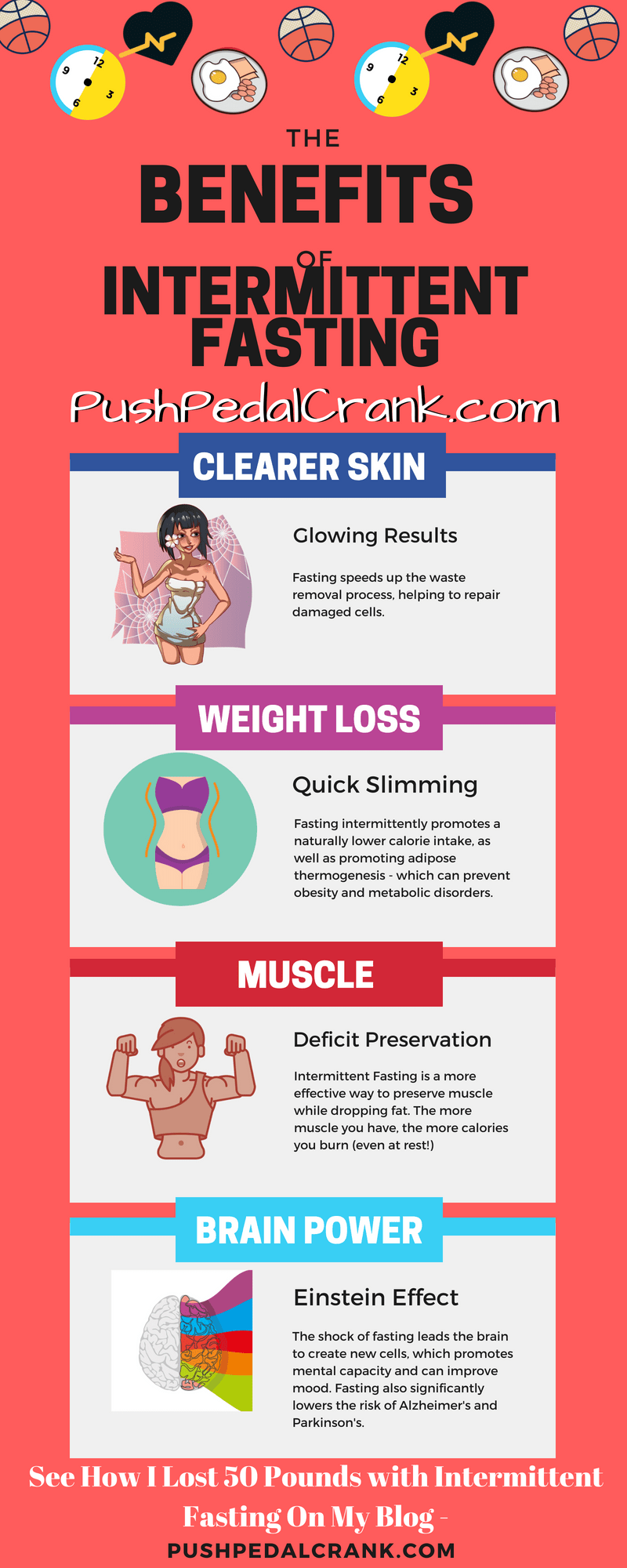
Intermittent fasting (IF) has become increasingly popular in recent years, with many people touting its benefits for weight loss and overall health. However, there is much more to IF than just weight loss. In this article, we will explore the various ways in which intermittent fasting can benefit your gut health, hormone regulation, mental clarity, immune system function, metabolism, blood sugar control and more.
1. Intermittent Fasting and Gut Health
The gut microbiome plays a critical role in our overall health and well-being. When the balance of good bacteria in our gut is disrupted by factors such as poor diet or stress, it can lead to inflammation and other gastrointestinal problems.
Research shows that intermittent fasting can help improve gut health by giving the digestive system a break from constant processing of food. This break allows the body to focus on repairing damaged cells instead of constantly digesting food.
Furthermore, studies have shown that intermittent fasting helps increase diversity within the gut microbiome by promoting the growth of beneficial bacteria while decreasing harmful ones.
2. Intermittent Fasting for Athletes
While athletes typically require regular fueling throughout the day to maintain energy levels during training sessions or competitions, research suggests that they may also benefit from incorporating intermittent fasting into their routine.
During periods of fasting, hormones like human growth hormone (HGH) increase significantly leading to increased muscle mass gain over time when combined with exercise-induced stressors like strength training exercises or HIIT workouts.
Moreover, studies show that exercising while fasted can help improve insulin sensitivity leading to better glucose uptake by muscles resulting in improved athletic performance.
3. Intermittent Fasting and Hormone Regulation
Hormones play a crucial role in regulating various bodily functions including metabolism and hunger signals. Research shows that intermittent fasting can positively impact several hormones related to these functions such as insulin levels responsible for glucose regulation; leptin involved in appetite control; ghrelin responsible for hunger signals; and testosterone which affects muscle mass and sexual health.
Studies indicate that fasting helps increase insulin sensitivity, leading to better glucose uptake by muscles. This improved insulin response can also help reduce the risk of developing type 2 diabetes and obesity.
4. Intermittent Fasting and Mental Clarity
Intermittent fasting has been shown to improve cognitive function by increasing production of brain-derived neurotrophic factor (BDNF) – a protein involved in nerve cell growth, repair, and differentiation. BDNF is essential for learning, memory formation, and overall mental health.
Research indicates that intermittent fasting increases levels of BDNF resulting in improved cognitive functions such as attention span, focus, memory retention as well as reduced anxiety levels.
5. Intermittent Fasting for Weight Loss Maintenance
Intermittent fasting is an effective weight loss tool due to its ability to decrease calorie intake while preserving lean muscle mass through increased HGH secretion during fasted states. However, it’s also important in maintaining weight loss after initial success.
Studies suggest that incorporating intermittent fasting into daily routine can help maintain long-term weight loss results by regulating hormones like ghrelin which controls appetite; leptin responsible for feelings of fullness; cortisol associated with stress management; thyroid hormones controlling metabolism among others.
6. Intermittent Fasting and Sleep Quality
Poor sleep quality can have several negative effects on our body including decreased immune system function & impaired hormonal regulation. Research suggests that intermittent fasting may positively impact sleep quality by regulating cortisol levels – a hormone associated with stress management & circadian rhythm control thereby improving overall well-being .
7. Intermittent Fasting and Immune System Function
The immune system serves as our first line defense against various pathogens like viruses or bacteria causing illness . Studies show that intermittent fasting can enhance immune system functioning leading to better resistance against infections or diseases.
By limiting caloric intake, intermittent fasting helps promote the production of white blood cells responsible for fighting off infections. Moreover, it also triggers apoptosis (programmed cell death) which eliminates damaged or malfunctioning immune cells leading to improved overall health.
8. Intermittent Fasting for Women’s Health
Intermittent fasting may help improve several women-related health issues such as hormonal imbalances associated with PCOS; endometriosis and other menstrual irregularities due to its effects on regulating insulin levels & reducing inflammation throughout the body.
Studies indicate that incorporating intermittent fasting into daily routine can help reduce symptoms of these conditions while improving overall quality of life in female patients.
9. The Impact of Intermittent Fasting on Metabolism
Intermittent fasting has been shown to boost metabolism by increasing metabolic rate during fasted states leading to increased calorie burning over time . It also promotes better glucose uptake by muscles resulting in improved insulin sensitivity and reduced risk factors associated with type 2 diabetes or obesity.
10. Intermittent Fasting and Blood Sugar Control
One of the primary benefits of intermittent fasting is its ability to regulate blood sugar levels through improved insulin sensitivity . Research suggests that periodic periods without food intake can lead to decreased insulin resistance, thereby decreasing the risk for developing type 2 diabetes.
Additionally, studies show that incorporating a low-carbohydrate diet into an IF regimen further reduces blood sugar levels helping maintain healthy glucose metabolism in individuals who are overweight or obese .
11. The Effects of Intermittent Fasting on Aging
Research indicates that intermittent fasting may have anti-aging effects due primarily to its ability to increase cellular repair mechanisms . By promoting autophagy – a process where cells break down old or damaged proteins – IF helps prevent accumulation of toxic substances within our bodies leading ultimately towards healthier aging outcomes .
Moreover, it promotes increased production of human growth hormone (HGH), which plays a vital role in maintaining muscle mass and bone density while reducing the risk for age-related diseases like osteoporosis or sarcopenia.
12. Intermittent Fasting and Muscle Gain
In addition to its weight loss benefits, intermittent fasting has been shown to increase muscle mass gain when combined with strength training exercises . Studies suggest that HGH secretion during fasted states promotes muscle growth while also preventing muscle breakdown due to increased fat oxidation.
13. The Role of Hydration During Intermittent Fasting
Staying hydrated is essential during intermittent fasting periods as it helps flush toxins from our body and prevent dehydration symptoms such as headaches, dizziness or fatigue . Drinking water can also help suppress hunger signals leading to better adherence towards IF regimen.
14. How to Break a Fast Safely and Effectively
Breaking a fast safely is crucial for maintaining overall health & well-being especially if following an extended period of food deprivation . It’s important to start with small amounts of easily digestible foods while avoiding heavy meals or high sugar content foods which may cause digestive distress.
15. Common Mistakes to Avoid When Practicing Intermittent Fasting
Some common mistakes include overeating during non-fasted periods; skipping meals altogether; not drinking enough water; not monitoring caloric intake properly among others . Keeping track of dietary habits can help avoid these pitfalls and ensure successful implementation of IF into daily routine .
16. The Benefits of Combining Intermittent Fasting with a Ketogenic Diet
Combining IF with ketogenic diet (a low-carbohydrate/high-fat diet) can lead to further improved insulin sensitivity, reduced inflammation throughout the body & metabolic flexibility leading ultimately towards healthier outcomes in individuals with obesity or type 2 diabetes .
17. How to Incorporate Exercise into an Intermittent Fasting Routine
While exercising during fasted states can improve athletic performance by promoting HGH secretion & glucose uptake by muscles , it’s important for beginners not start too aggressively as this may lead to injuries or other complications. Gradually building up exercise intensity over time can help avoid these issues while improving overall fitness outcomes.
18. The Effects of Caffeine on Intermittent Fasting Results
While caffeine can have positive effects on energy levels & cognitive function , it’s recommended to limit consumption during fasting periods as it may interfere with autophagy – a process where cells break down old or damaged proteins . Limiting caffeine intake during non-fasted periods is also advised to prevent over-stimulation leading ultimately towards sleep disturbances or anxiety-related symptoms.
19. How to Maintain Social Relationships While Practicing Intermittent Fasting
Intermittent fasting can pose challenges in social settings especially when dining out with friends/family . Communicating dietary needs clearly and finding alternative activities like outdoor walks instead of dinner parties can help maintain strong social bonds while sticking to IF regimen .
20. The Psychological Aspects of Practicing Intermittent Fasting
While intermittent fasting has several physiological benefits, its psychological aspects should not be overlooked . Depending upon individual circumstances, implementing IF into daily routine may cause feelings of stress/anxiety related to food deprivation resulting in emotional eating behaviors.
It’s important for individuals considering IF regimen first consult their healthcare provider before starting any new diet/exercise program . By working together with a qualified professional, they can create an individualized plan that supports both physical and mental health goals simultaneously.

Leave a Reply