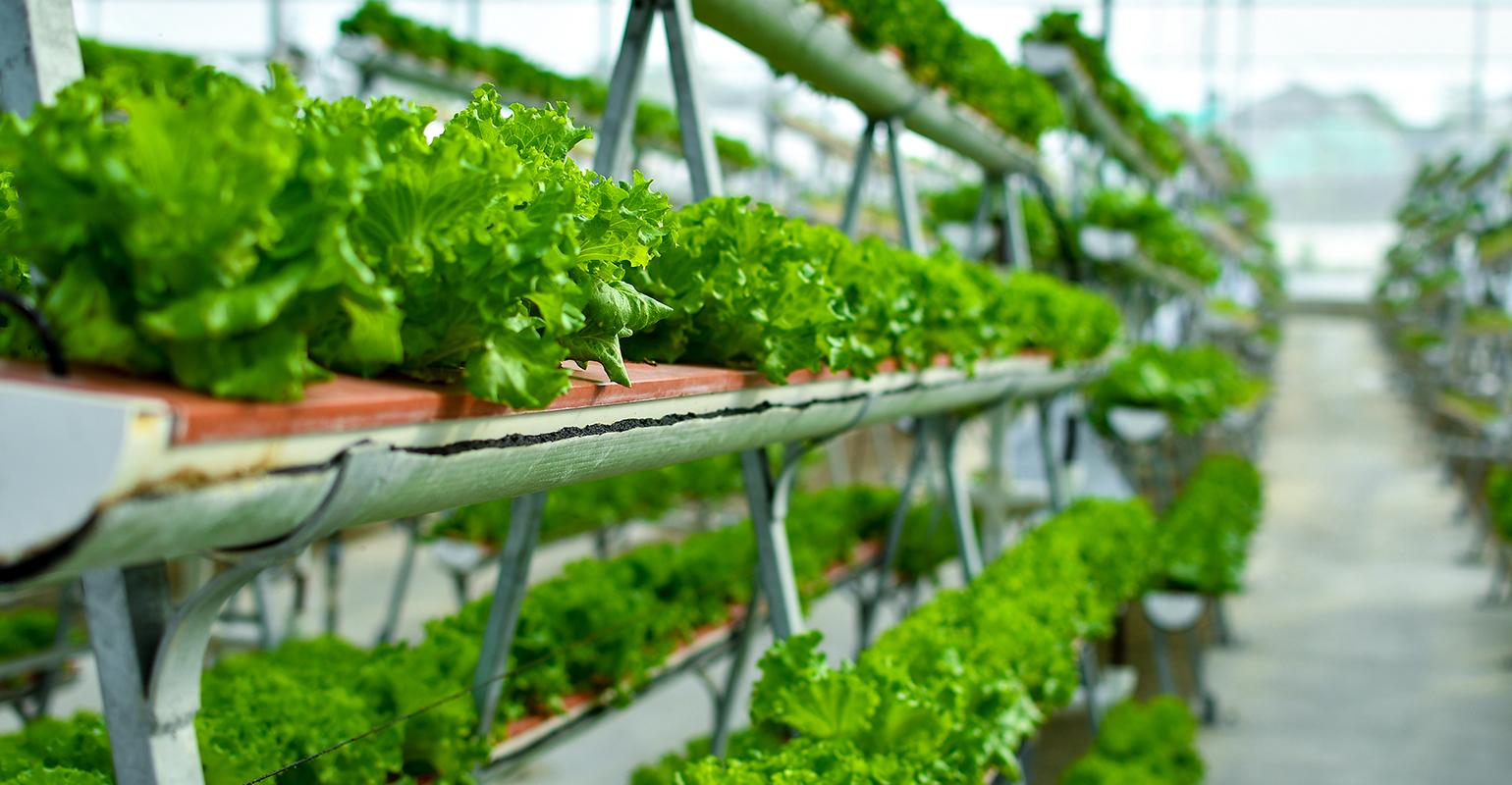
Vertical farming is a relatively new concept that has gained significant attention in recent years. It involves growing crops in vertically stacked layers using advanced technologies such as hydroponics, aeroponics and aquaponics to create an efficient and highly productive environment for plants.
The idea behind vertical farming is to maximize the use of limited space while reducing the negative impact of traditional farming practices on the environment. With the global population expected to reach 9 billion by 2050, experts predict that we will need innovative solutions like vertical farming to meet our food needs without harming our planet.
One of the biggest advantages of vertical farming is its ability to produce more food per square foot than traditional agriculture. This technique allows farmers to grow crops year-round without being affected by weather changes or seasonality. In addition, it reduces water usage significantly since it uses only about 10% of what traditional agriculture requires.
Vertical farms also have better control over pests and diseases since they are grown indoors with controlled environments. Farmers can monitor every aspect of plant growth from temperature, humidity levels, lighting conditions and nutrient ratios which helps them detect any problems early on before they spread throughout the farm.
In terms of sustainability, vertical farms have a much lower carbon footprint than conventional farms. They reduce transport emissions since they can be located near urban areas where demand for fresh produce is high. Also, because there’s no need for pesticides or herbicides due to less exposure outside elements such as wind or rainwater runoff leading into rivers ultimately polluting them over time from these chemicals being used traditionally on outdoor crops
Another advantage is that this practice does not rely heavily on soil quality meaning it can be practiced almost anywhere regardless of land availability or quality issues like nutrient depletion due excessive monoculture planting
Vertical farming has come a long way since its inception; some countries have already embraced this technology as part of their agricultural practices while others are still exploring its potential benefits. Although it may seem like a new and novel idea, the concept of vertical farming has been around for more than a century.
In 1909, American botanist William James Beal proposed building skyscraper farms that would use natural sunlight to grow crops in urban areas. However, it wasn’t until the 1990s that the first commercial vertical farm was established in Singapore by Dr. Dickson Despommier
Since then, more farmers have started adopting this technique with significant success. In Japan for instance, they utilize large-scale indoor hydroponic systems to produce leafy vegetables year-round while reducing energy consumption significantly through LED lighting which is relatively efficient compared to traditional florescent bulbs.
Another notable example is AeroFarms based out of New Jersey US who uses aeroponic technology and LED lighting in their facilities making it possible for them to grow up to 390 times as much food per square foot compared to conventional outdoor farming practices.
However despite its potential benefits there are still some limitations associated with this technology such as high initial investment costs due equipment needed like lights & water pumps which can be expensive upfront but once operational these operating costs usually even out over time.
Furthermore another limitation is limited crop diversity since only certain plants can thrive under these conditions leading mostly on leafy greens and herbs being grown using this method however research has shown that other fruits vegetables could also potentially flourish with proper adjustments made accordingly thus opening up possibilities for future expansion within this field.
Overall vertical farming provides many sustainable solutions towards modern-day agriculture; by utilizing advanced techniques such as hydroponics or aeroponics along with LED lighting technology we can reduce our reliance on traditional agricultural methods that harm our planet while simultaneously producing more yields per square feet ultimately increasing food availability whilst having less negative impact on earth’s resources moving forward into the future.

Leave a Reply