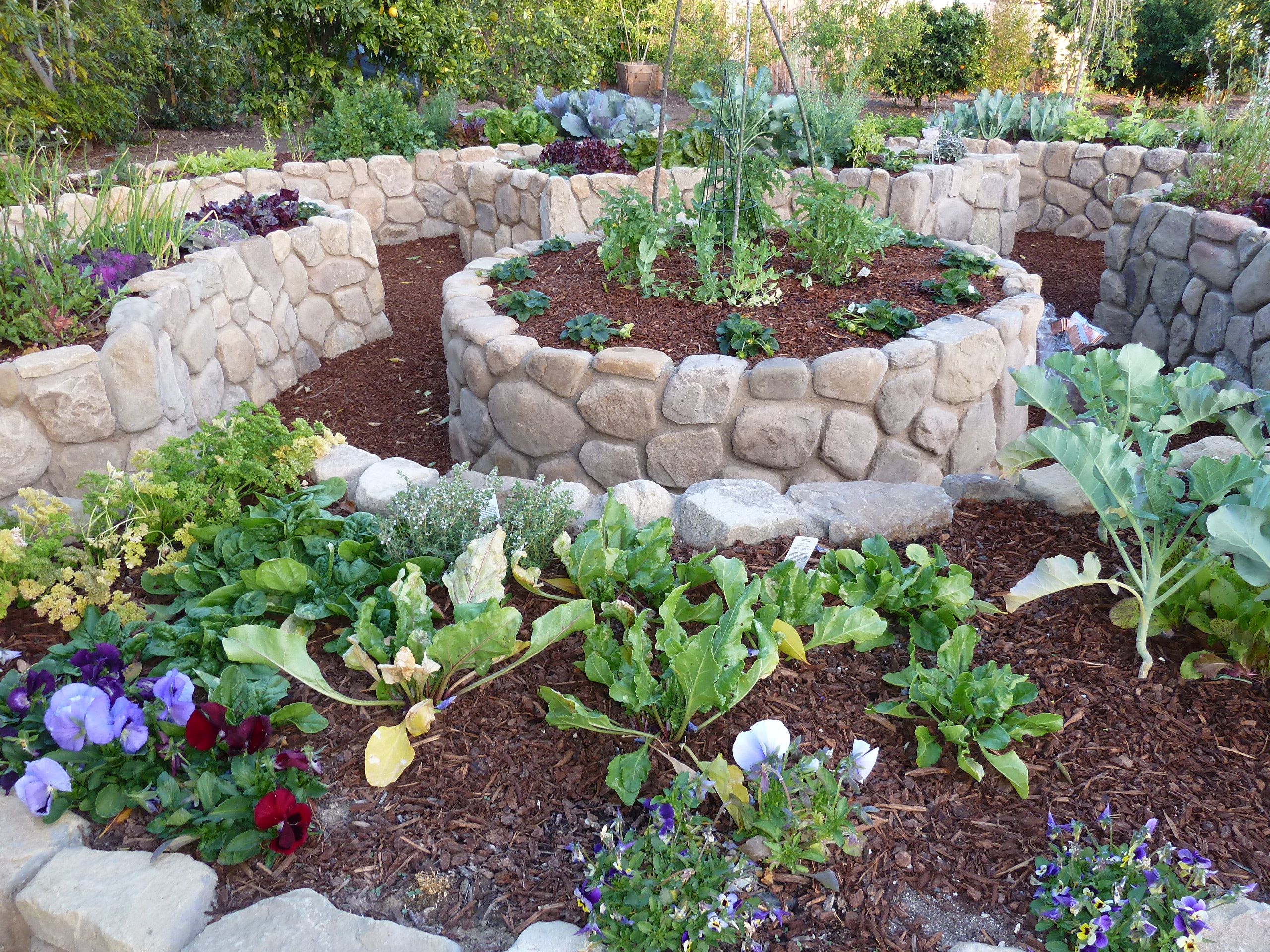
Edible landscaping is a sustainable and delicious way to create stunning outdoor spaces. Instead of planting traditional ornamental plants, edible landscaping prioritizes food-producing plants that are both aesthetically pleasing and functional.
One of the biggest advantages of edible landscaping is its sustainability. Traditional landscaping can require significant amounts of water, fertilizers, and pesticides, all of which can have negative environmental impacts. Edible landscaping uses natural growing techniques and often incorporates companion planting to reduce the need for harmful chemicals.
Another benefit of edible landscaping is its health benefits. Having fresh produce readily available in your yard means you’re more likely to eat it! This also means you’ll be getting more nutrients from your food since it will be harvested at its peak ripeness. Additionally, growing your own fruits and vegetables ensures they haven’t been treated with any harmful chemicals or pesticides.
Edible landscapes don’t have to be limited to just vegetables either – fruit trees, berry bushes, and herbs also make great additions. These not only add variety but also offer a source of ingredients for cooking or baking.
When planning an edible landscape, it’s important to consider the specific needs each plant has so that they thrive together harmoniously. Some plants may require full sun while others prefer shade; some may need more water than others; some may grow tall while others stay low to the ground. By researching these factors beforehand and grouping similar plants together accordingly, you can create a beautiful garden that produces healthy crops year after year.
If you’re new to gardening or need help designing an edible landscape that fits your space and lifestyle, there are resources available online or through local gardening groups that can provide guidance on how best to get started.
In conclusion, adding edibles into your outdoor space provides a multitude of benefits beyond just aesthetics. It’s an eco-friendly way to beautify personal land while providing nourishment for yourself as well as pollinators around us!

Leave a Reply