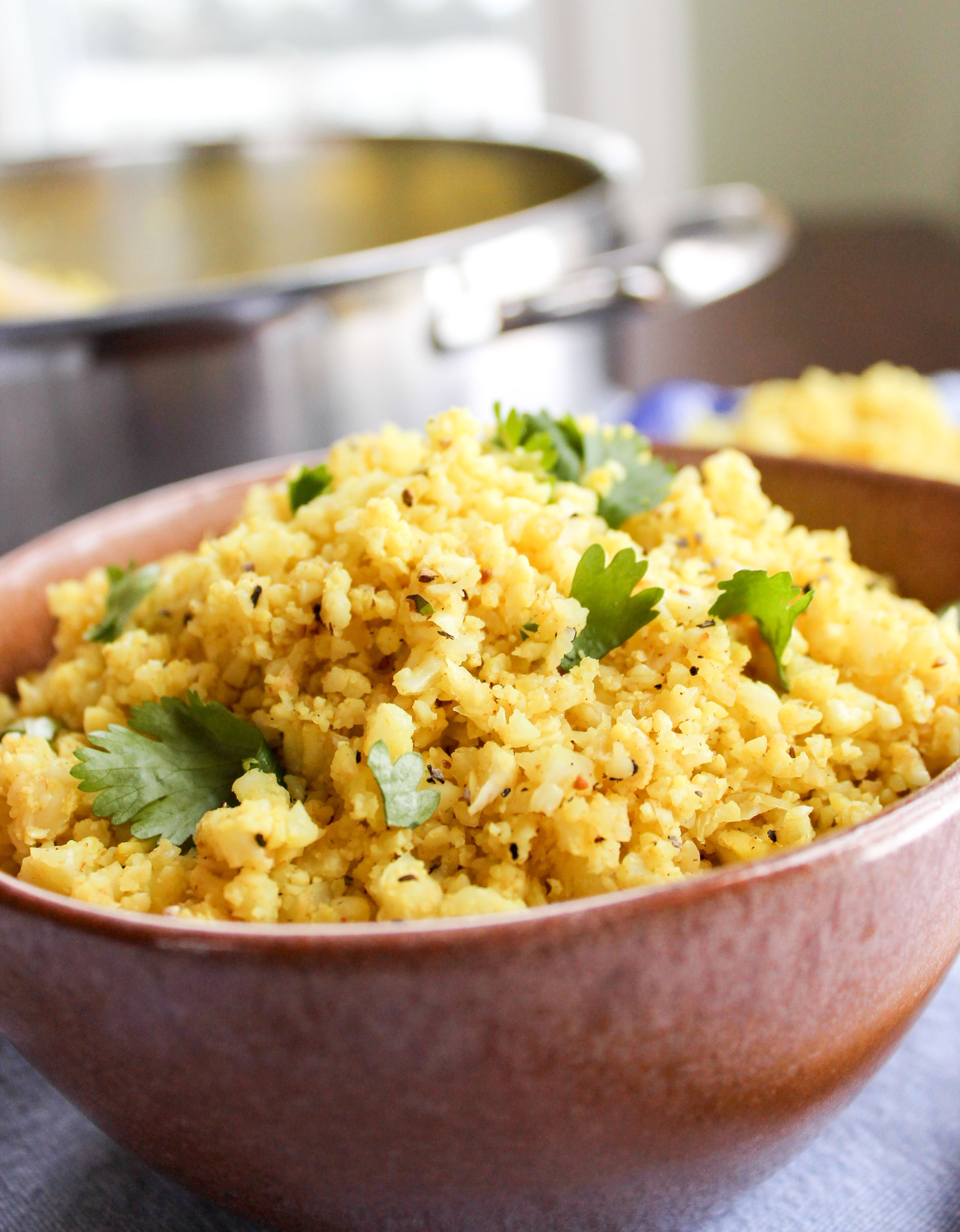
Panel Discussion: Low-Carb Cauliflower Rice Dishes
Welcome to our panel discussion on low-carb cauliflower rice dishes. We have gathered a group of experts in nutrition and cooking to discuss the benefits and versatility of using cauliflower as a substitute for rice in your meals.
First, let’s introduce our panelists:
– Jane Smith, Registered Dietitian
– John Lee, Chef and Owner of a Health Food Restaurant
– Sarah Johnson, Cookbook Author and Recipe Developer
Question 1: Why is cauliflower rice a good option for those looking to reduce their carbohydrate intake?
Jane Smith: “Cauliflower is a great source of fiber and vitamins while being low in carbohydrates. A cup of cooked white rice has around 45 grams of carbs compared to only 5 grams in a cup of cooked cauliflower rice. This makes it an ideal option for those following a low-carb or keto diet.”
John Lee: “In addition to being low-carb, cauliflower also has more flavor than regular white rice. It can be seasoned with herbs and spices to make it taste even better than traditional rice.”
Sarah Johnson: “Cauliflower also has fewer calories per serving than regular rice which can be helpful for weight management goals.”
Question 2: What are some creative ways to use cauliflower rice as a substitute?
John Lee: “I love using cauliflower rice as the base for sushi rolls instead of traditional sushi rice. You can season it with vinegar and sugar just like you would regular sushi rice.”
Sarah Johnson: “You can also use it as the base for stir-fries or fried ‘rice’ dishes. Just sauté some vegetables and protein with the cauliflower ‘rice’ for a tasty meal.”
Jane Smith: “Another option is using it in place of couscous or quinoa in grain-based salads. The texture is similar but without the extra carbs.”
Question 3: How do you prepare cauliflower rice?
Sarah Johnson: “I like to use a food processor or blender to pulse the cauliflower into rice-sized pieces. Then I just sauté it in a pan with some oil and seasoning.”
John Lee: “You can also roast it in the oven for a nutty flavor. Just spread it out on a baking sheet, drizzle with olive oil, and bake at 400 degrees Fahrenheit for about 20 minutes.”
Jane Smith: “Another option is to steam it in the microwave. Place the cauliflower ‘rice’ in a microwave-safe bowl with a bit of water and cover with plastic wrap. Microwave for 3-5 minutes until tender.”
Question 4: What are some tips for making sure cauliflower rice doesn’t become mushy?
Jane Smith: “Make sure not to overcook it. It only needs to be cooked until tender but still slightly firm, otherwise, it will become mushy.”
John Lee: “Also make sure not to overcrowd the pan when you sauté it. Too much moisture can cause it to become watery instead of staying fluffy.”
Sarah Johnson: “And if you’re using frozen cauliflower rice, make sure to thaw completely before cooking. Otherwise, excess moisture will cause it to become mushy during cooking.”
Question 5: Can you freeze cauliflower rice?
John Lee: “Yes! You can freeze cauliflower rice just like regular cooked rice. Portion into freezer bags or containers and store for up to three months.”
Sarah Johnson: “It’s also great because you don’t have to worry about using an entire head of cauliflower at once if you’re only making one meal’s worth of ‘rice.’”
Jane Smith: “Just make sure that after freezing and thawing, squeeze out any excess moisture before cooking so that your final dish isn’t too wet or soggy.”
In conclusion, we hope this panel discussion has given you some ideas on how versatile and delicious low-carb cauliflower rice can be in your cooking. Give it a try and let us know your favorite ways to use it!

Leave a Reply