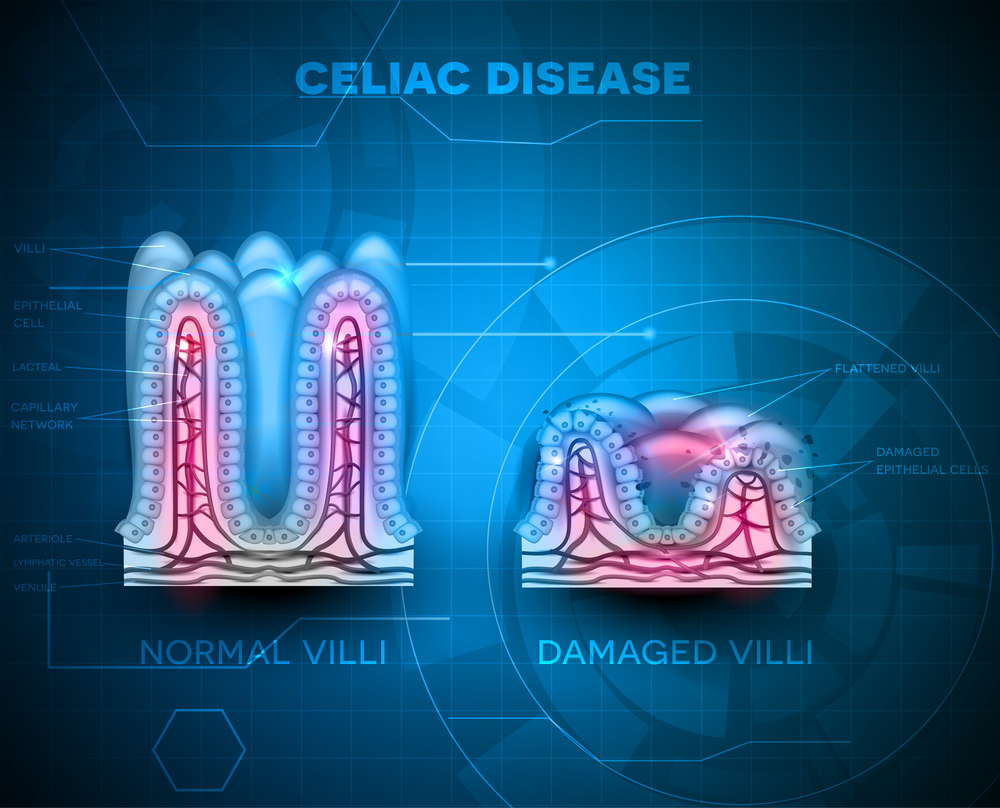
Celiac disease and gluten sensitivity are two conditions that have gained increasing attention in recent years. They are both related to the body’s inability to properly digest gluten, a protein found in wheat, rye, and barley. While these conditions share some similarities, they have different underlying causes. In this post, we will explore the role of genetics in celiac disease and gluten sensitivity.
Celiac disease is an autoimmune disorder caused by an abnormal immune response to gluten. When people with celiac disease consume foods containing gluten, their immune system mistakenly attacks the lining of their small intestine. This leads to inflammation and damage to the intestinal wall, which can cause a range of symptoms such as abdominal pain, bloating, diarrhea, weight loss or gain.
Research has shown that celiac disease has a strong genetic component. Specifically speaking: individuals who have certain genes – specifically HLA-DQ2 or HLA-DQ8 – are more likely to develop the condition than those without these genes. However having one of these genes does not necessarily mean that someone will develop celiac disease but it increases their risk for developing it.
In addition to genetic factors there are also environmental factors that play a significant role in the development of celiac disease – including early exposure to gluten through infant feeding practices which may increase risk for developing Celiac Disease later on.
On the other hand Gluten Sensitivity is defined as when someone experiences negative symptoms after consuming gluten-containing foods but tests negative for Celiac Disease upon medical examination while also ruling out wheat allergies.
The causes behind non-celiac gluten sensitivity still remain unclear compared with Celiacs; however research suggests there could be several contributing factors like gut dysbiosis (an imbalance between good bacteria vs harmful bacteria), increased gut permeability (leaky gut syndrome), or even stress levels/stress hormones affecting digestion leading up to symptoms
While there is no specific gene associated with “gluten sensitivity” at present , research has shown that certain gene variants may be more common among those who experience gluten sensitivity, as well as other immune-related conditions.
In conclusion, genetics plays a key role in the development of celiac disease and there is still much to learn about gluten sensitivity. It is important for individuals with symptoms related to gluten intolerance to consult a healthcare provider and explore their options for testing and treatment.

Leave a Reply