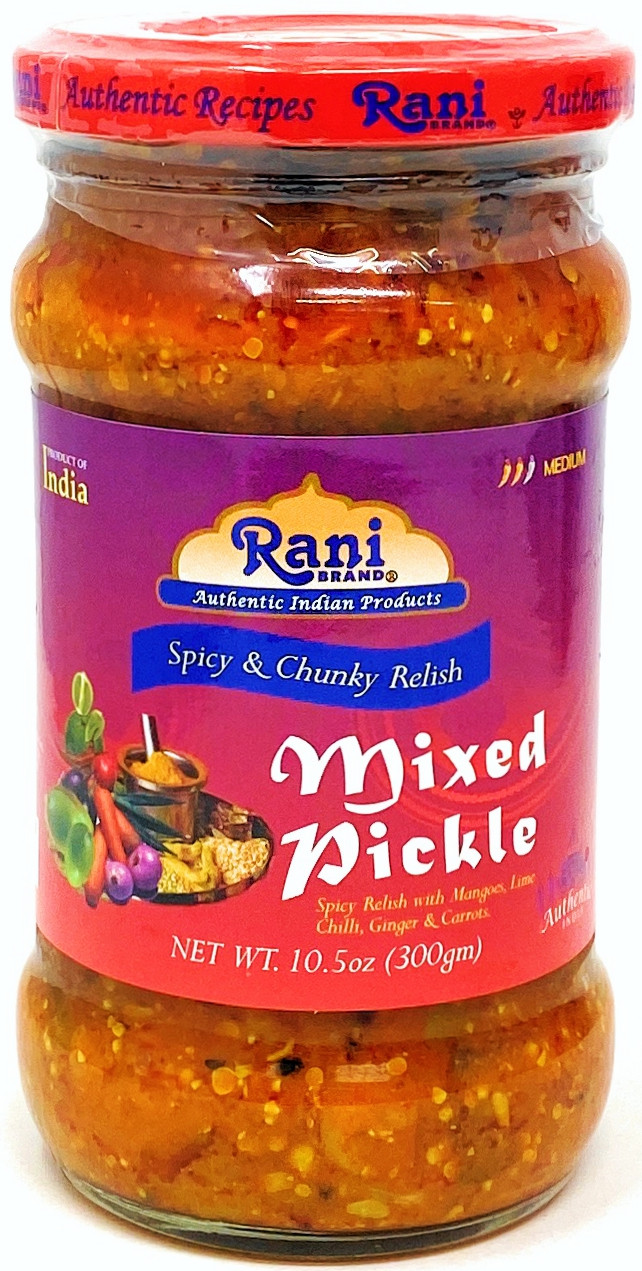
Non-GMO Condiments: A Healthy Choice for Your Kitchen
Condiments are an essential part of our daily meals. They add flavor, texture, and depth to our food. But with the increasing concern about genetically modified organisms (GMOs) in our food, it’s important to choose non-GMO condiments. In this article, we’ll explore what GMOs are and why non-GMO condiments are a healthier choice for your kitchen.
What Are GMOs?
Genetically modified organisms (GMOs) are living organisms whose genetic material has been altered in a laboratory using genetic engineering techniques. This process involves taking genes from one organism and inserting them into another organism’s DNA to create new traits that aren’t found naturally.
GMO crops are designed to be resistant to pests or herbicides or produce higher yields than traditional crops. However, these benefits come at a cost as there is still much debate over their safety for human consumption and the environment.
Why Choose Non-GMO Condiments?
When it comes to condiments, many people assume that they’re just made of spices and other natural ingredients that wouldn’t contain GMOs anyway. Unfortunately, that isn’t always the case. Many popular condiment brands use corn syrup and soybean oil in their recipes – two ingredients often derived from genetically modified plants.
Choosing non-GMO condiments can help you minimize your exposure to these controversial crops while still enjoying all the delicious flavors you love. Here are some reasons why non-GMO condiments should be on your shopping list:
1) Healthier Option: Non-GMO foods have been shown to have higher levels of vitamins, minerals, antioxidants compared with their GM counterparts.
2) Environmentally Friendly: The production of GM crops requires more significant amounts of pesticides which cause adverse effects on soil quality.
3) No Unknown Side Effects: Since GMO products have not been around long enough for us to determine any potential risks to human health, it is better to stick with non-GMO products.
4) Supporting Sustainable Agriculture: By purchasing Non-GMO condiments, you are supporting farmers who practice sustainable agriculture and reduce the need for GMO crops.
Non-GMO Condiment Options
Now that we understand why non-GMO condiments are a healthy choice let’s explore some of the best options available in the market. Here are some popular brands that offer non-GMO condiments:
1) Sir Kensington’s: This brand offers ketchup, mayonnaise, mustard, and other dressings made from high-quality ingredients like sunflower oil instead of soybean oil.
2) Primal Kitchen: They offer avocado oil-based mayo and salad dressings without any added sugars or artificial preservatives.
3) Annie’s Naturals: This brand has a wide range of organic dressings and sauces free from GMOs and artificial flavors.
4) Trader Joe’s Organic Ketchup: Made with organic tomato paste and spices with no added sugar or corn syrup.
Making Your Own Non-GMO Condiments
If you prefer making your own condiments at home rather than buying them pre-made from the store, there are many recipes that use all-natural ingredients. Making your own sauces gives you complete control over what goes into them.
Here are three easy DIY recipes for common condiments:
1) Homemade Mayo
Ingredients:
– 1 egg yolk
– 2 tsp lemon juice
– ½ tsp salt
– ½ cup avocado oil
Instructions:
Whisk together egg yolk, lemon juice, and salt until combined. Slowly drizzle in avocado oil while continuing to whisk until it thickens. Store in an airtight container in the fridge for up to one week.
2) DIY Ketchup
Ingredients:
– 14 oz diced tomatoes (canned)
– ⅓ cup apple cider vinegar
– ¼ cup honey
– 1 tsp garlic powder
– 1 tsp onion powder
– ½ tsp salt
Instructions:
Blend all ingredients in a blender or food processor until smooth. Pour into an airtight container and store in the fridge for up to two weeks.
3) Homemade Mustard
Ingredients:
– ¼ cup yellow mustard seeds
– 2 tbsp white wine vinegar
– 2 tbsp filtered water
Instructions:
Soak mustard seeds overnight in water. Drain off excess water, then add soaked seeds, vinegar, and filtered water to a blender or food processor. Blend until it reaches your desired consistency. Store in an airtight container in the fridge for up to three weeks.
Conclusion
In conclusion, choosing non-GMO condiments is essential for maintaining healthy eating habits while also supporting sustainable agriculture practices. Whether you buy pre-made products from trusted brands or make your own at home using natural ingredients, there are many options available that will help you avoid GMOs without sacrificing flavor or quality. By making this simple switch in your kitchen pantry items, you can contribute towards building a healthier and more sustainable future!

Leave a Reply