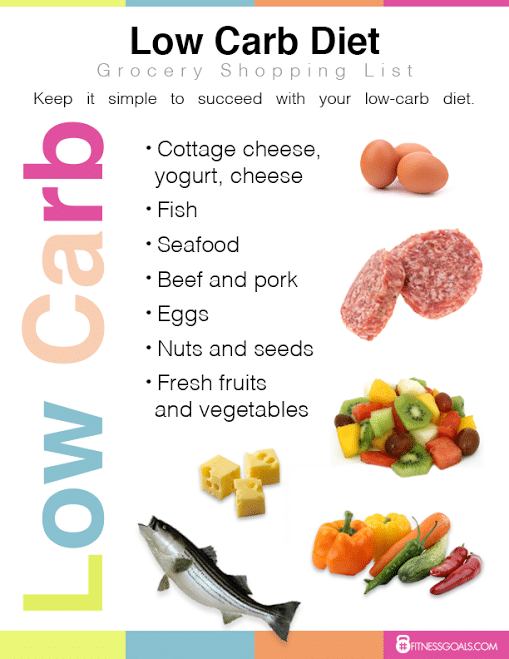
Low-Carb Plant-Based Diets: A Comprehensive Guide
Eating a plant-based diet has become increasingly popular in recent years, with many people adopting this approach for ethical, environmental and health reasons. However, some individuals have concerns about the potential for high-carbohydrate intake when following a plant-based diet. Fortunately, there are numerous ways to incorporate low-carb options into your plant-based eating plan.
Here are some tips on how to create and maintain a low-carb plant-based diet:
1. Emphasize non-starchy vegetables: Vegetables such as spinach, broccoli, cauliflower and zucchini contain minimal carbohydrates while providing an abundance of vitamins and minerals.
2. Choose protein-rich foods: Legumes such as lentils and chickpeas along with nuts like almonds and seeds including chia or flax can provide protein without increasing carbohydrate intake.
3. Incorporate healthy fats: Avocadoes, olive oil, coconut oil and nut butters can be used in moderation to add flavor and satiety to meals while keeping carb count low.
4. Limit fruits: While fruits contain beneficial nutrients they also tend to be higher in carbohydrates than other plant foods. Berries such as raspberries or blackberries can be good choices due to their lower sugar content.
5. Avoid processed foods: Many packaged vegan products are loaded with refined carbohydrates which spike blood sugar levels rapidly leading to cravings or overeating later on.
6. Plan ahead: Preparing meals ahead of time can help you avoid choosing high- carb options when hungry or short on time.
In summary, a low-carb plant-based diet is achievable by emphasizing non-starchy vegetables, incorporating protein-rich foods & healthy fats while limiting fruits & avoiding processed items.
By following these guidelines along with planning ahead we hope that you will find success in achieving your desired health goals!

Leave a Reply