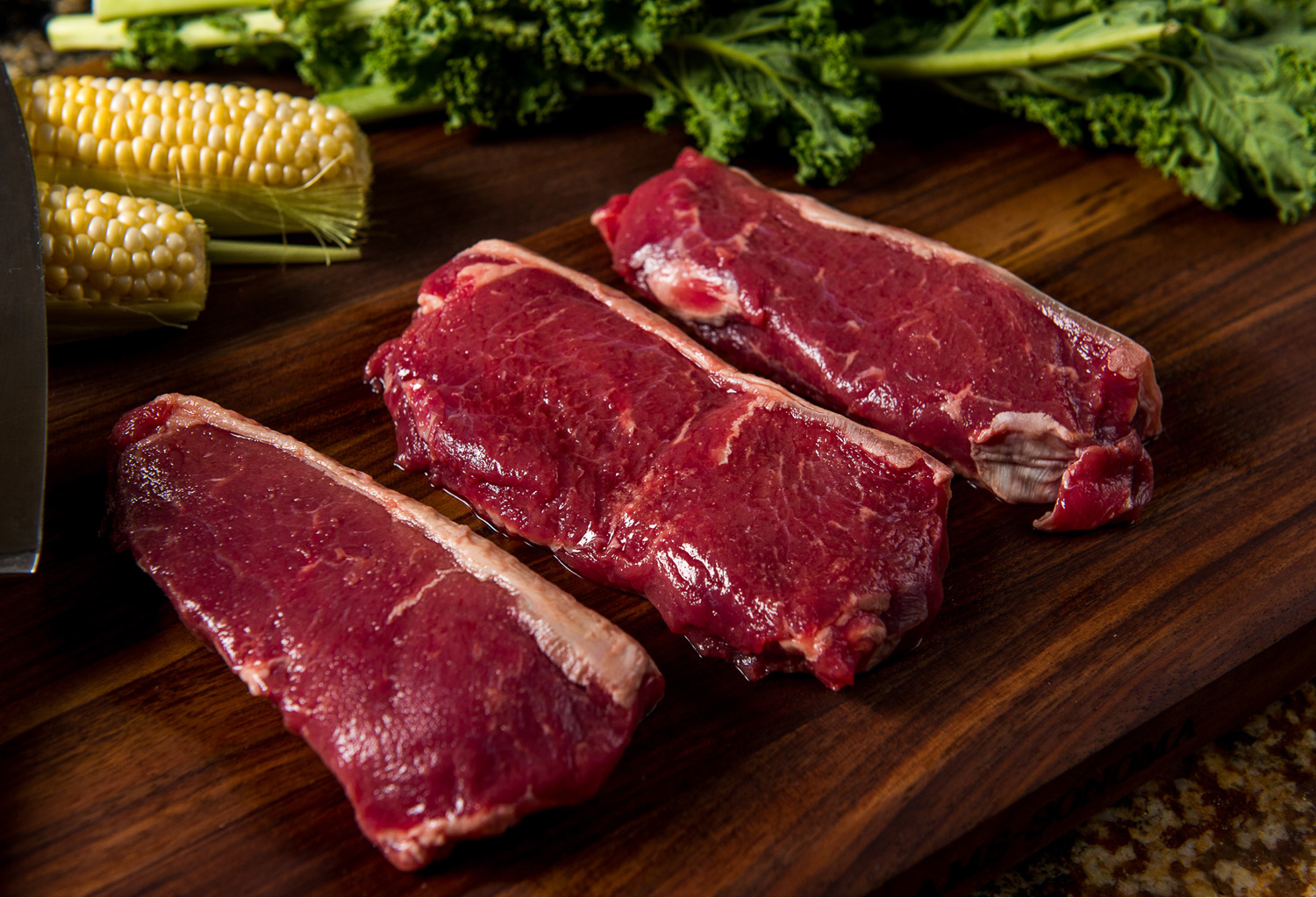
Grass-fed meat is a term that has become increasingly popular in recent years as more people are becoming aware of the health benefits associated with it. Unlike conventionally raised animals, grass-fed animals are allowed to roam freely and graze on natural grasses, which provides them with a diet that is rich in nutrients and minerals that can be beneficial for human consumption.
One of the primary reasons why people choose to consume grass-fed meat is because it is lower in fat than conventionally raised meats. This is because grass-fed animals have a leaner muscle mass due to their active lifestyle, which requires more energy than sedentary lifestyles of conventionally raised animals. The result is meat that contains less saturated fat and cholesterol, making it a healthier option for those looking to maintain their weight or improve their overall health.
In addition to being lower in fat, grass-fed meat also contains higher levels of important nutrients such as Omega-3 fatty acids. These essential fats are difficult to find in most diets but are crucial for maintaining optimal health. Studies have shown that consuming Omega-3s can help reduce the risk of heart disease, stroke, and other chronic illnesses.
Another benefit of eating grass-fed meat is its high protein content. Protein plays an essential role in building and repairing muscle tissue throughout the body, making it an important nutrient for those who engage in regular physical activity or sports activities. Grass-fed meats provide easily-digestible proteins that can help athletes recover faster after workouts or compete at higher levels.
Beyond its nutritional value, many consumers choose grass-fed meat over conventional options due to ethical concerns about animal welfare and environmental sustainability practices utilized by factory farms. Grass-fed livestock production typically involves smaller local farmers who prioritize animal welfare standards such as allowing animals access to pasture land where they can graze freely instead of being confined indoors all day long.
Supporting these small-scale farmers also helps promote sustainable farming practices since they tend not use harmful pesticides or other chemicals that can damage the environment. As consumers become more aware of the impact their consumption habits have on the planet, choosing grass-fed meat is one way to support sustainable agriculture while also enjoying delicious and nutritious food.
Whether you are someone who prioritizes health and performance or has concerns about animal welfare and environmental sustainability practices, there are many reasons to consider adding grass-fed meat into your diet. It’s a tasty alternative to conventional meats that provides numerous health benefits while supporting local farmers who care about both animals and nature.
So go ahead and give it a try! Visit your local farmer’s market or grocery store today to find some delicious grass-fed beef, chicken, lamb, or even bison – all great options for those looking for healthier protein sources.

Leave a Reply