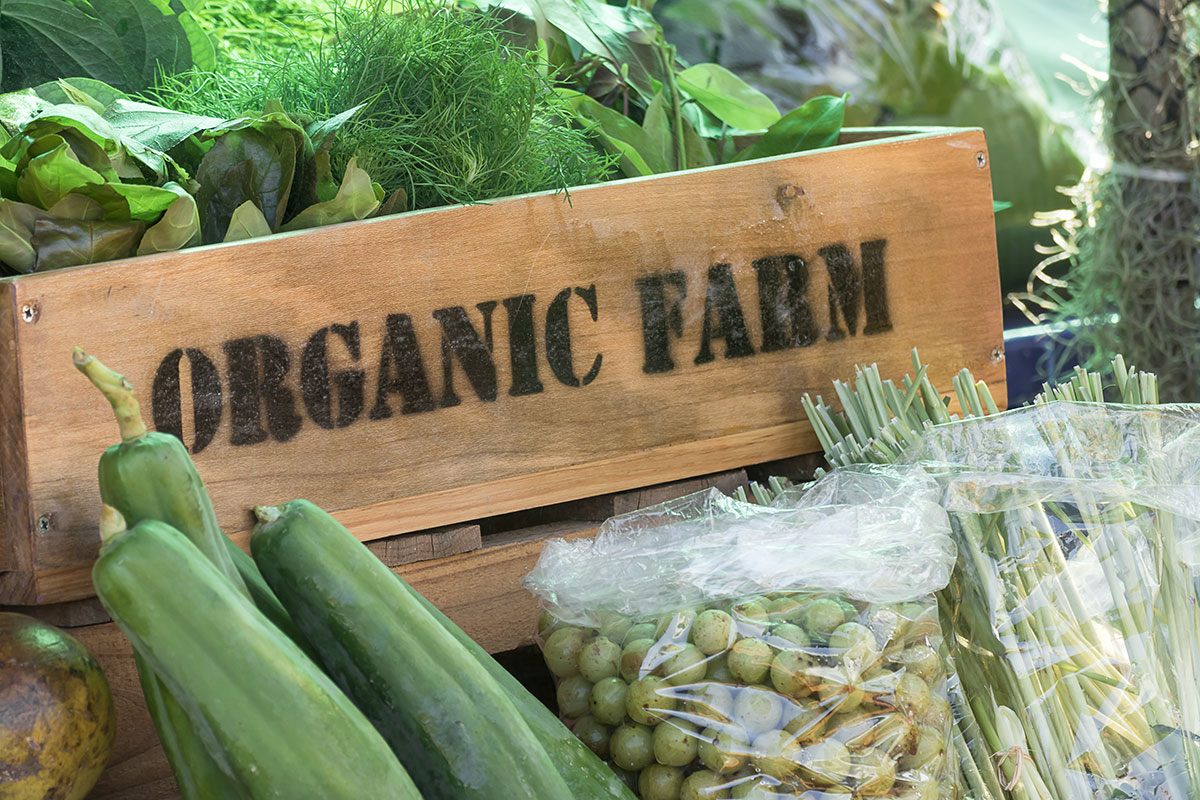
Organic certification is a label given to food and other agricultural products that are produced using natural methods. The main aim of organic certification is to promote sustainable farming practices, preserve the environment, and protect public health. Organic foods are becoming increasingly popular among consumers who prefer healthy eating habits. In this post, we will delve into the details of organic certification including what it entails, how it works, and its benefits.
What is Organic Certification?
Organic certification is a process through which an independent third-party certifier verifies that a farm or food producer adheres to specific regulations surrounding organic agriculture. To be certified as organic, farms must follow strict guidelines outlined by regulatory bodies such as the USDA in the US and Agriculture Canada in Canada. These guidelines include restrictions on synthetic pesticides, fertilizers, antibiotics for animals raised for consumption (meat), genetically modified organisms (GMOs), and irradiation.
The process of becoming certified can take up to three years with regular inspections from certifiers. During these inspections, farmers must demonstrate their commitment to producing crops without synthetic chemicals or genetically modified seeds while also implementing soil conservation practices like crop rotation and cover cropping.
How does Organic Certification Work?
To become certified organic requires following rigorous standards set by regulatory bodies like USDA or Agriculture Canada. Some private organizations offer certifications as well but they all must meet minimum requirements set forth by law.
Farmers who want their products labeled as “organic” have several steps in front of them before they can receive official certification:
1) Submit an application: Farmers submit an application requesting inspection by an accredited certifying agent.
2) Inspection: Inspectors examine every aspect of the farm’s operation during multiple visits over several months or even years depending on location.
3) Compliance: Farms must comply with all regulations laid out by regulatory bodies.
4) Annual Review: A re-inspection takes place at least once per year after initial approval has been granted.
Benefits of Organic Certification
Organic certification offers several benefits for farmers, consumers, and the environment. From a farming perspective, organic certification provides an opportunity to diversify crops and markets while also reducing reliance on synthetic chemicals that are often expensive.
From a consumer perspective, organic food is believed to be healthier than conventionally grown products because it does not contain harmful pesticides or antibiotics. Many people believe that eating organic food can reduce the risk of certain illnesses such as cancer, allergies, and even ADHD in children.
Organic farming practices also benefit the environment by promoting soil health and preventing pollution from pesticides and fertilizers. Organic farms typically use techniques like crop rotation to maintain healthy soil diversity which leads to increased yields over time.
Conclusion
In conclusion, organic certification plays an essential role in promoting sustainable agriculture practices while protecting public health and preserving the environment. The process of becoming certified is rigorous but well worth it for farmers who want to offer consumers a healthy alternative to conventional products. Consumers should look for certified organic labels when making purchasing decisions if they value quality produce free from harmful chemicals with added environmental benefits.

Leave a Reply