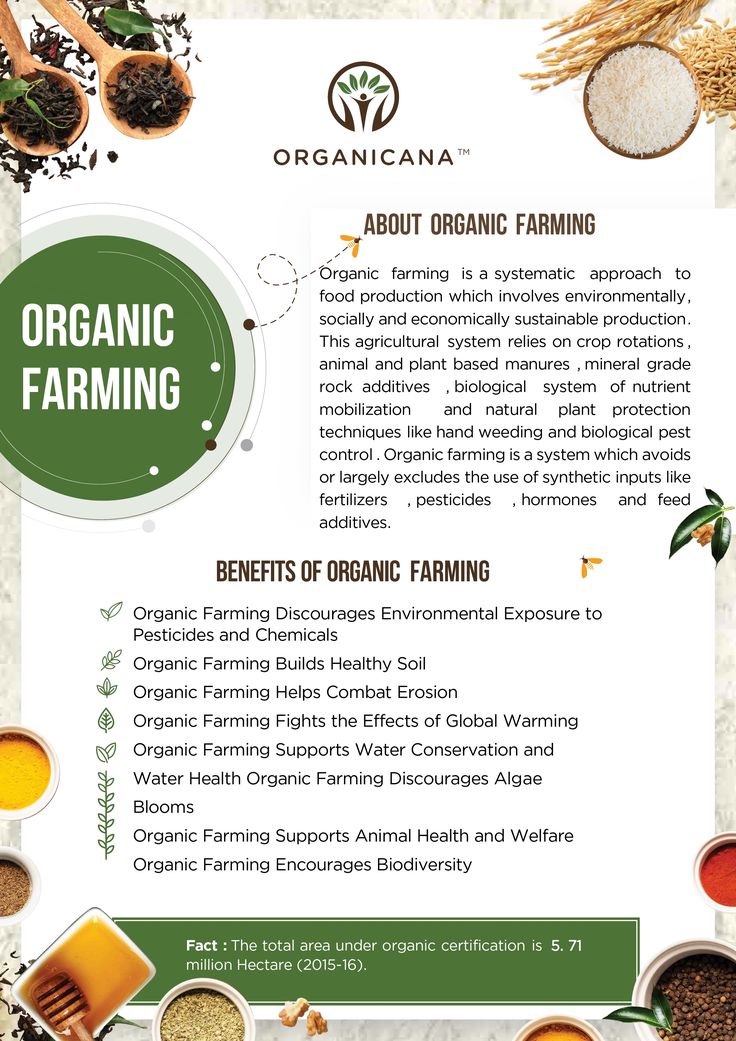
Organic farming is a method of growing crops and raising animals that eliminates the use of synthetic fertilizers, pesticides, herbicides, and genetically modified organisms (GMOs). This approach to agriculture is gaining popularity among consumers who are concerned about the health of their food and the environment.
One of the benefits of organic farming is that it promotes soil health. Organic farmers rely on natural methods like crop rotation, composting, and cover cropping to maintain healthy soils. These practices help to improve soil structure, increase water-holding capacity, and promote beneficial microorganisms in the soil. Healthy soils lead to healthier plants which can resist pests and diseases without relying on harmful chemicals.
Another advantage of organic agriculture is that it reduces pollution. Conventional farming uses large amounts of synthetic chemicals which can leach into groundwater or run off into rivers and lakes. This can pollute drinking water sources as well as harm aquatic life. Organic farmers avoid these negative impacts by using natural methods that do not pollute the environment.
Additionally, organic farming supports biodiversity. By avoiding monoculture (the practice of growing a single crop over a large area), organic farms provide habitats for many different species including insects, birds, mammals, fungi and bacteria. This diversity helps to maintain ecological balance in agricultural ecosystems.
Organic foods have been found to contain fewer pesticide residues compared with conventionally grown foods due to restrictions placed on chemical inputs by organic certification programs such as USDA Organic standards or European Union’s regulations for organic production & labeling.[1] The lack of toxic residue makes them safer for human consumption than conventional products.
Besides promoting environmental conservation & protection from harmful chemicals; studies also indicate numerous health benefits associated with consuming organically grown produce over commercially grown ones.[2][3] A meta-analysis done by Newcastle University showed an average 12% higher nutrient content in organic fruits & vegetables when compared with those produced through conventional means.[4] Moreover; there’s evidence indicating that some organic produce may contain higher amounts of bioactive compounds which have antioxidant, anti-cancer & other health boosting properties.[5][6]
Organic farming also has several economic benefits. Since organic farmers do not rely on expensive synthetic inputs, they can save money on production costs. Organic farms are often smaller scale and more diverse than conventional farms which allows for greater resilience in the face of market fluctuations. Additionally; there’s a growing demand for organically grown produce all over the world with markets opening up in countries like China, India & Brazil.
However; it is important to note that transitioning from conventional to organic farming can be challenging for farmers who may need to change their practices and invest in new equipment or infrastructure. Certification can also be costly and time-consuming, especially for small-scale producers. As such; governments should provide financial support to farmers looking to transition towards this more sustainable mode of agriculture.
In conclusion; organic farming offers numerous benefits including environmental conservation, improved soil health, reduced pollution levels & promotion of biodiversity. Additionally; consuming organically grown produce has been linked with numerous health benefits while also providing economic opportunities through expanding markets worldwide. By supporting organic farming practices we can promote healthier ecosystems and healthier humans alike!

Leave a Reply